Beauty
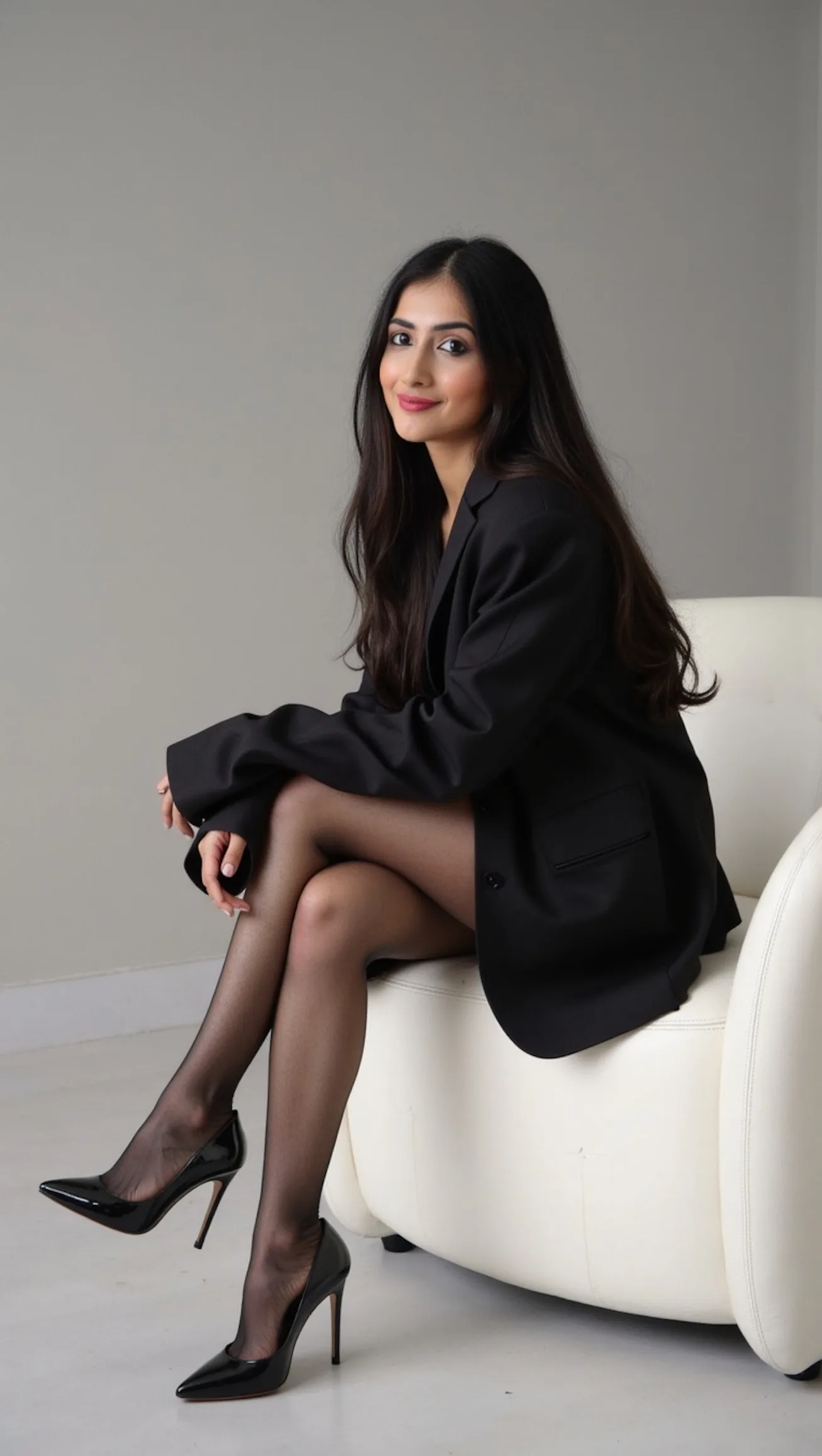
Fatima Mehdi Is Bringing a Trust-First Approach to Aesthetics
The Beauty Lyft co-founder explains how education, personalization, and transparency shape the patient experience.
For Fatima Mehdi, aesthetics has never been simply about what happens in the treatment room. As Co-Founder of Beauty Lyft MedSpa, she has focused on building an experience around something that can be harder to measure than any before and after: whether a patient feels understood.
Building Trust Before Treatment
That philosophy shapes how Beauty Lyft approaches everything from patient education and technology to branding and strategic partnerships. In an industry where treatment decisions are increasingly influenced by social media, filters, and highly curated results, Mehdi believes transparency has become an essential part of care.
“We’re not just building a medspa,” Mehdi says. “We’re building a brand that helps patients feel informed, confident, and understood.”
For Beauty Lyft, that process begins well before a procedure takes place. Rather than starting with a treatment and working backward, the practice considers the individual first, including their skin, goals, concerns, and long term expectations. Practitioners with more than two decades of medical experience bring clinical knowledge to that process while considering balance, proportion, and the characteristics that make each patient different.
The Experience That Shaped Beauty Lyft
The philosophy behind the practice was shaped before Beauty Lyft ever opened its doors.
After a family member suffered a severe burn injury, Mehdi and her mother began thinking differently about the relationship between appearance and recovery. The experience showed them that aesthetic care could extend beyond cosmetic change. It could also affect confidence, comfort, and quality of life.
That perspective eventually became part of the foundation for Beauty Lyft.
“We understand our audience because we are our audience,” Mehdi says. “We are not just providing a service; we are advocating for the level of care and attention we felt was missing in the aesthetics space.”
Mehdi's own experiences reinforced that belief. Before opening Beauty Lyft, she underwent laser hair removal elsewhere and was left with dark burn marks. For her, the experience exposed a larger problem within an industry where treatments can sometimes be approached too broadly despite significant differences between patients and skin types.
“I learned that not every spa takes a top down approach to understanding skin type,” she says.
Why Individual Context Matters
At Beauty Lyft, that lesson has translated into a focus on context. What works for one patient may not be appropriate for another, even when they arrive asking for the same procedure. Understanding when to proceed, when to modify an approach, and when not to perform a treatment at all becomes part of building trust.
That distinction is particularly important as aesthetic trends move faster online. Patients can arrive with reference photos, viral procedures, or expectations shaped by images that may have been edited, filtered, or presented without context. Mehdi sees education as a way to create some distance between what is popular and what actually makes sense for the person seeking treatment.
“A successful aesthetic treatment should feel like you, just elevated,” Mehdi says. “It is not about applying the same solution to everyone. It is about understanding the skin in front of you and knowing when to proceed, adjust, or stop.”
Using Technology to Support Patient Education
Technology also plays a role in that relationship. Mehdi's work has focused on improving the digital experience around Beauty Lyft so patients have more opportunities to understand their options before making decisions. The goal is not to replace the relationship between practitioner and patient, but to make that relationship more informed from the beginning.
It reflects a broader shift happening across aesthetics. As patients gain access to more treatments, more information, and more opinions than ever before, the ability to make sense of those choices has become increasingly valuable.
For Mehdi, building Beauty Lyft means responding to that shift without losing the personal element that inspired the practice in the first place. The treatments may evolve and the technology may change, but the standard remains the same: understand the person first.
In an industry built around visible results, Mehdi is betting that what patients remember most is how much they trusted the process that got them there.
This article is for informational purposes only and does not substitute for professional medical advice. If you are seeking medical advice, diagnosis or treatment, please consult a medical professional or healthcare provider.
BDG Media newsroom and editorial staff were not involved in the creation of this content.
