Entertainment
Gaming’s Growing Influence On Fashion and Online Culture
Gaming, fashion, and internet culture are converging as 100 Thieves builds a lifestyle brand shaped by community and digital identity.
There was a time when “gamer style” meant novelty hoodies and convention merch. Now, some of the most culturally fluent collaborations in fashion are coming from gaming organizations. Enter 100 Thieves, the Los Angeles-based lifestyle brand and esports collective that reflects how fashion, entertainment, and internet culture are increasingly overlapping.
Building Culture Beyond the Screen
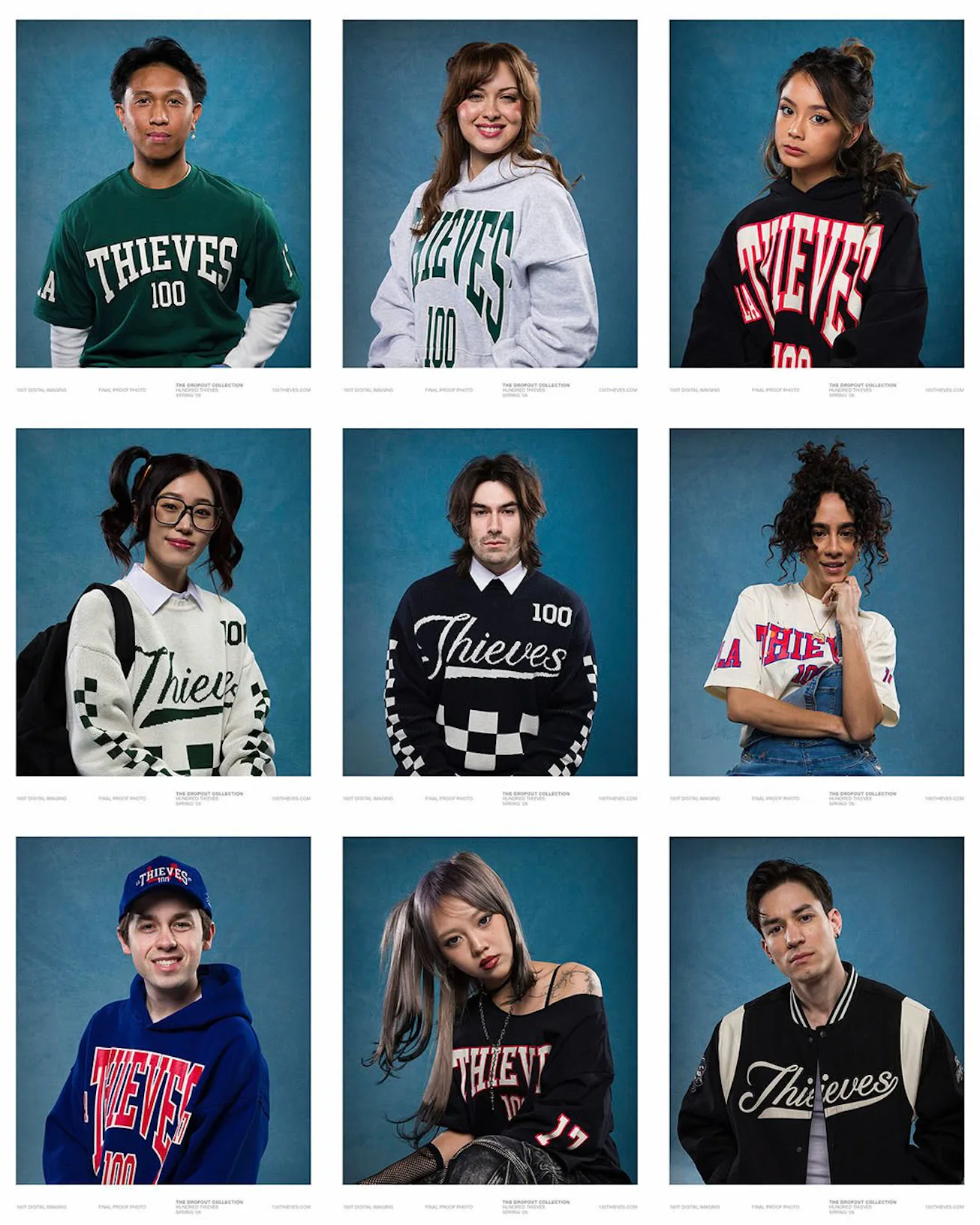
At a moment when Gen Z consumers are discovering brands through online communities before magazine editorials, 100 Thieves has positioned itself less like a traditional gaming company and more like a cultural universe. It has collaborated with brands that technically occupy different industries but increasingly speak to the same audience: digitally native consumers who move seamlessly between gaming, fashion, music, sports, and online identity.

“Our intention from day one has been to give gamers something to be proud of,” the company explains Randy Nakajima, VP of Brand & Marketing. “We’ve focused on building a brand that sees gaming as connective tissue to broader culture, not a category confined to screens.”
That distinction matters. While legacy brands often approach gaming as a temporary marketing strategy, 100 Thieves understands it as an ecosystem, one where style, community, and self-expression are inseparable from the games themselves. The modern gamer is increasingly difficult to define by a single stereotype. They may be athletes, designers, musicians, students, creators, or tastemakers whose interests move across multiple cultural spaces.
Fashion appears to be taking notice.
When Apparel Drops Become Cultural Events
The rise of creator culture fundamentally changed how consumers engage with style. Traditional fashion gatekeeping has given way, in part, to online communities where trends can emerge through chats, streams, short-form videos, and gaming spaces before reaching more traditional fashion channels. For 100 Thieves, apparel was never meant to function as a standalone product. It exists as part of a larger narrative ecosystem.
“A collection isn’t just about what people wear,” they say. “It’s about the story surrounding it, the personalities attached to it, and the experiences that bring it to life.”
That philosophy explains why the brand’s apparel drops feel closer to cultural events than conventional merch launches. The visual language pulls from esports, streetwear, anime, West Coast nostalgia, and internet aesthetics without feeling overly calculated. Instead of chasing trends, 100 Thieves has focused on world-building, creating a lifestyle brand where content, design, and community feel interconnected.
It’s also why their partnerships resonate beyond gaming audiences. A collaboration doesn’t feel like a random licensing play because the overlap already exists culturally. Today’s consumers do not compartmentalize identity the way previous generations did. Someone can spend the morning gaming, the afternoon scrolling online, and the evening at a warehouse party. The aesthetic language travels fluidly between all of it.
Community As The Core Strategy
What makes 100 Thieves particularly interesting within fashion is its understanding that loyalty cannot be manufactured retroactively. Many brands still treat “community” like a marketing accessory rather than the foundation itself.
“Real loyalty usually comes from creating a world people genuinely want to belong to,” the company says Deston Nguyen, Marketing Manager. “You have to grow alongside your community rather than speaking at it from a distance.”
That level of cultural fluency is increasingly what separates successful brands from forgettable ones. Consumers today are hyper-aware of performative collaborations and surface-level internet pandering. Authenticity is increasingly shaped by meaningful participation rather than surface-level observation.
A Vision For A Categoryless Future
The future 100 Thieves sees is one where the distinctions between gaming, fashion, music, entertainment, and sports continue dissolving entirely. Gaming is no longer a niche subculture sitting adjacent to fashion. It has become one of the primary ways culture itself is experienced.
“The opportunity now isn’t simply collaborating across categories,” they explain. “It’s creating things that couldn’t exist without those intersections.”
That shift is already happening in real time. Luxury brands are building inside virtual worlds. Esports organizations are releasing collections with the same anticipation as legacy streetwear labels. Creators hold as much influence over taste as traditional celebrities. The internet didn’t just flatten culture; it rewired where it starts.
100 Thieves understands that better than most. The brand isn’t trying to convince fashion to care about gaming anymore. Fashion already does. Instead, they’re focused on defining what this next era of culture actually looks like: one shaped by community, identity, digital fluency, and the worlds that people choose to belong to online and off.
In many ways, 100 Thieves isn’t operating at the intersection of gaming and fashion anymore. They are operating in a landscape where those categories are becoming increasingly fluid.
BDG Media newsroom and editorial staff were not involved in the creation of this content.
