Entertainment
Lykke Li vs. the Algorithm
She wants off the internet — and maybe out of music altogether.
Lykke Li is done playing the game.
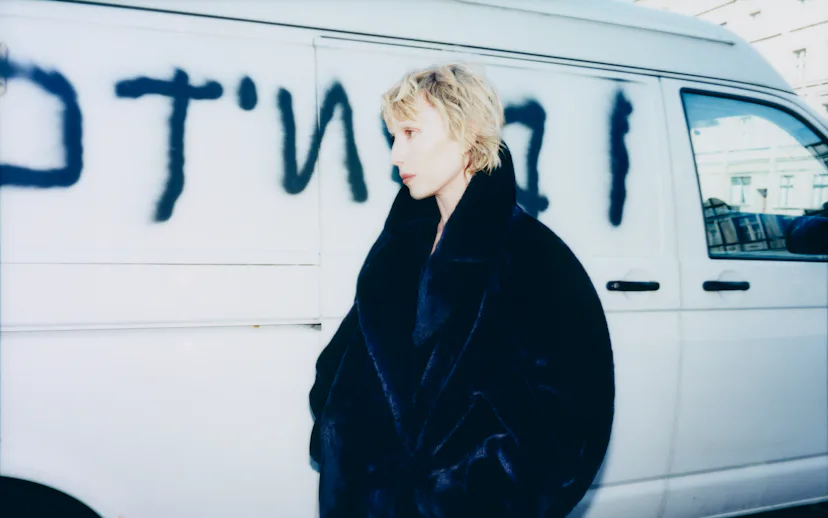
It’s the afternoon before the release of The Afterparty, her sixth and reportedly final studio album, when I find her tucked in the back corner of Nine Orchard’s lobby bar, quietly decompressing between press appointments and photo calls. Nearly incognito in an oversized black sweatshirt and wrap-around Saint Laurent sunglasses, she appears mythic, like the rock stars she studied for this record. She’s exhausted, yet sharp. Less than nine hours before the album drops, Li speaks about its release with detached surrender. “It’s out of my hands,” she shrugs.
If there’s anxiety lingering beneath the surface, it’s not about numbers or reception so much as the strange violence of modern visibility — the moment intensely personal work stops belonging to the artist and becomes content fodder for everyone else. It’s a system Li feels burnt out on. Later in our conversation, she admits that four straight weeks of TikTok promotion nearly pushed her into what she jokingly calls a “mental breakdown.” “I don’t want my legacy to exist on a TikTok,” she tells me, explaining why The Afterparty may very well be her last album in the traditional sense.
True to form, The Afterparty feels like the kind of album only someone deeply disillusioned with the modern music machine could make. After 2022’s EYEYE, she pushes into something more raw and destabilized; the record oscillates between ego death and total abandon, pulling from the mythology of classic male rock stardom while remaining unmistakably Lykke Li. Throughout our conversation, she references The Rolling Stones, Radiohead, Black Sabbath, and The Beatles as touchstones, idealizing artists of decades past who built mystique by living it, not curating it. “You can’t fake rock,” says Li. “You have to put your 10,000 hours on the road or on an instrument.”
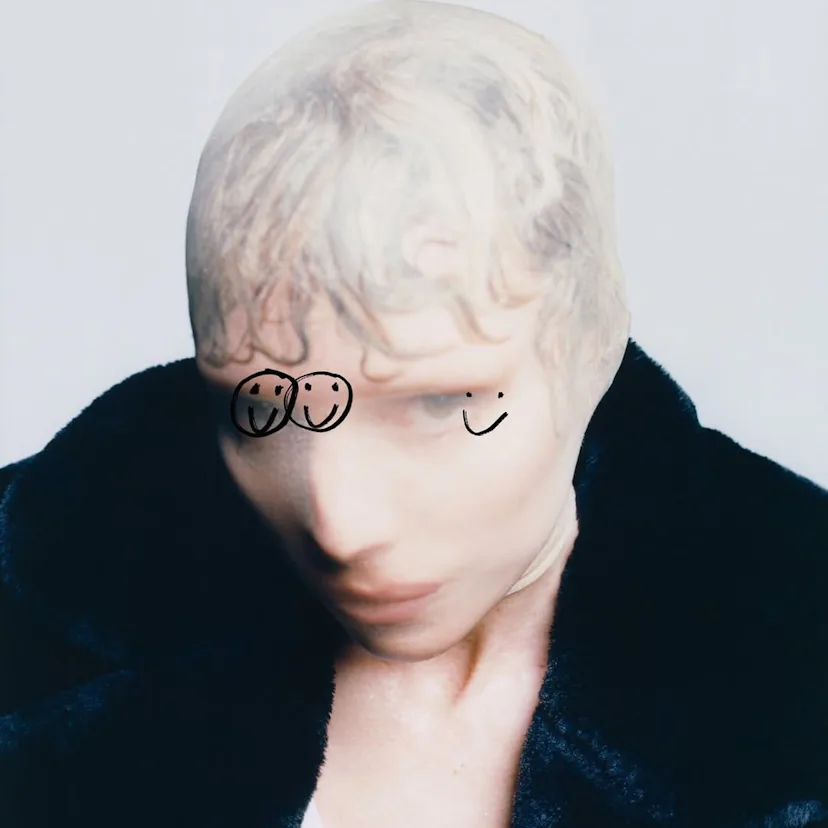
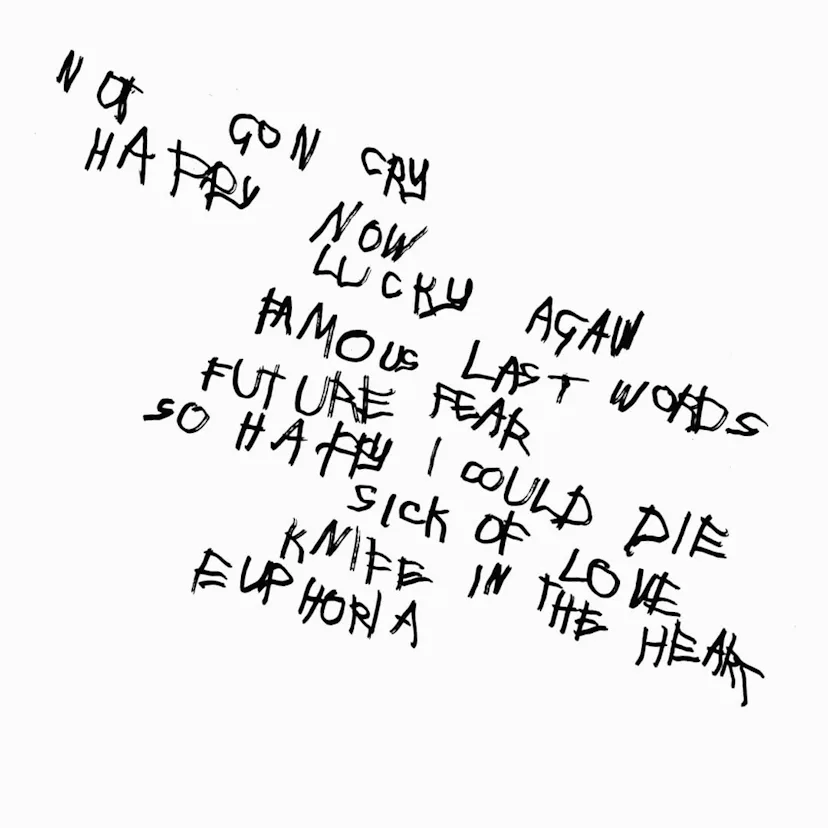
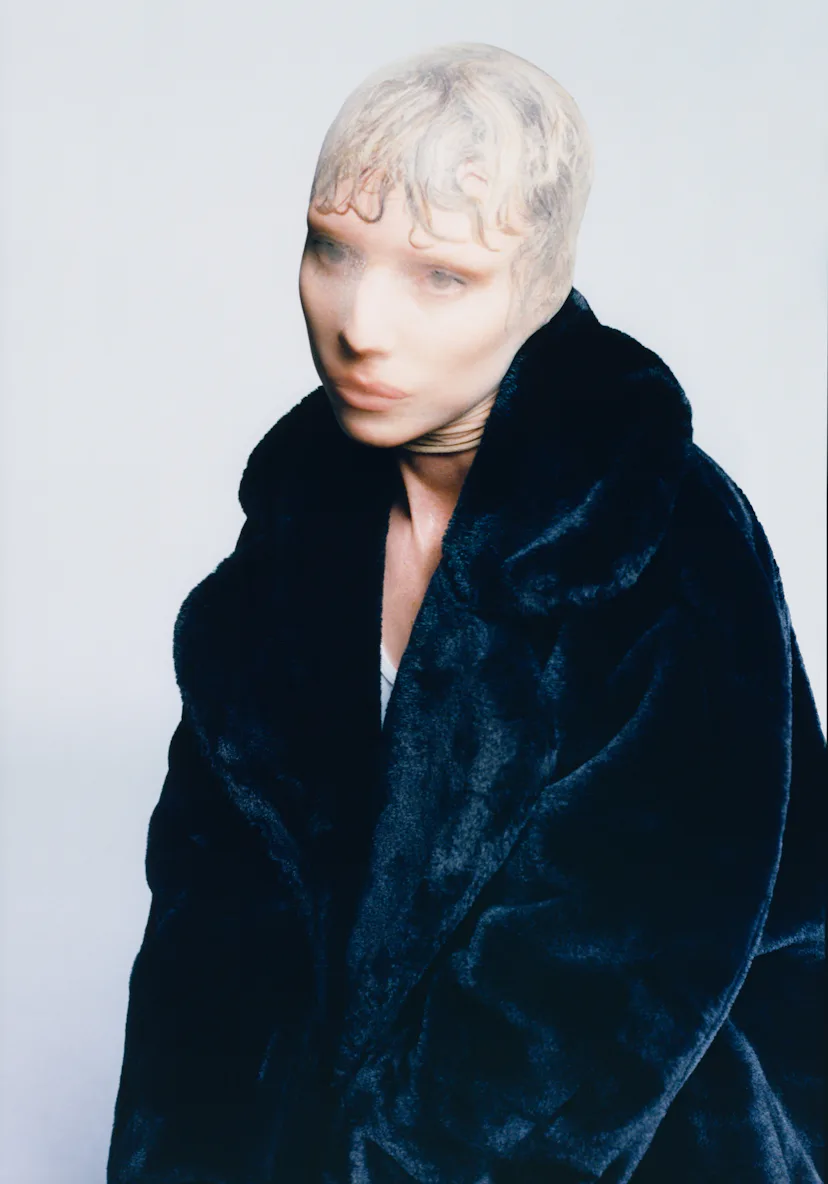
Her latest sonic era is intentionally stripped back, built as a response to everything she finds increasingly unbearable about contemporary culture. Inspired by graffiti-scrawled streets, civil unrest, recession-era fatigue, and the version of Los Angeles that exists far beyond Hollywood’s curated veneer, she deliberately pares things down to something more immediate and unvarnished. “I’m tired of people flaunting their money and their plastic surgery,” she says. Even the artwork reflects that ethos: handwritten text created with a Berlin tattoo artist, designed to feel raw, unstable, and defiantly unpolished. Though in the past she has often written through the lens of love, devotion, and romantic intensity, she describes the album as an embrace of her “lower self”: “a creature of the night, a f*ck boy, heathenous, like I don’t give a sh*t.” Across songs like “Future Fear” and “Happy Now,” spiritual questioning collides with despair, open-ended lyricism, and flashes of genuine transcendence.
For Li, making music remains one of the only ways to access that state. “When I’m working is when I’m really in the presence of channeling,” she says. The release process, meanwhile, feels almost entirely disconnected from the sacredness of creating. Maybe that’s why she speaks so casually about walking away from it all — disappearing to art school, studying theology, moving to a remote island without a phone. Whether The Afterparty truly marks the end of Lykke Li as we know her remains unclear — even to Li herself. Throughout our conversation, she speaks less like someone closing a chapter and more like someone actively searching for what comes next. “I’m making an album about this question,” says Li. “There’s no answer.”
You’ve been calling this your “God album.” What did you mean by that?
I think a lot of artists are speaking about God right now. I think it’s just where we are in the world. You really start to question if there is a God, now would be the time to step in. I'm saying God as in a more George Harrison way, more Buddhist, Hindu, that it's like God as many things, obviously.
It seems like music is a spiritual experience for you. You’ve also talked about “touching God” while you’re working.
When I’m writing or conceiving ideas, I feel fully immersed. That’s when I’m in the presence of channeling — like I’m completely inside it. That’s why the release part feels so separate. I don’t really have much to do with it. When I’m working, that’s when I feel it. The visual, the movement, the language — everything is alive in that moment. Making music is like meditation. You’re in another consciousness.
The raw, handwritten typography throughout the album artwork feels very intentional. There are no frills to it. Can you talk about that?
I wanted to reflect the world we’re actually in: war, poverty, recession. Especially living in LA, there’s graffiti everywhere. The album is really conceived on the street. We worked with a tattoo artist in Berlin who also does graffiti and fine art. I wanted it to feel like that — no budget, no polish, no distance. I’m just tired of people flaunting money and plastic surgery. F*ck that. That’s not what most people’s lives look like.
You were in a different chapter while creating this album than the last, having just had your second child and the world being a different place than 2022. Where did this album come from emotionally?
I don’t bring motherhood into my work at all. This album actually goes straight against it.
It’s more like the opposite: a creature of the night, a f*ck boy, heathenous… like I don’t give a sh*t. Art is where you get to do something else. I love being a mother for the record, but art is the release. It keeps me in fighting form.
I think this is my attempt to be a male rock star. While making it, I was listening to The Rolling Stones, Radiohead, The Verve, Black Sabbath, The Beatles, just every great male rock artist that's ever lived, I guess, which is a bit sad because it sounds misogynistic, but the world is.
It’s interesting that you’re talking about being influenced by rock. I’m thinking about artists like Charli XCX pivoting into a more rock-based sound.
We don’t know if it’s going to be rock-based just because she says it is, right?
Of course. But assuming its influence, do you think that’s a sign of the times?
I think so. I was reflecting on Godard’s Sympathy for the Devil while I was making this. There was a lot of civil unrest, graffiti, war. In war times, yes, rock is going to come back. We need people who are bouncing off what’s going on and just shredding. It’s definitely having a comeback. But the thing is you can’t fake rock. You have to put your 10,000 hours on the road or on an instrument. You can’t fake it. That’s why people were so obsessed with Mk.gee or Dijon — it’s like, oh my God, they’re actually living it.
When I listen to today’s music, I’m like, “What the f*ck are you talking about?” I don’t want just a random conversational anecdote. What is the broader message?
There’s been talk this might be your final album. Is that true?
I think in this form. I just had a bit of a mental breakdown around it. I can’t deal with where things are at. I don’t want my legacy to exist in a TikTok. That’s not what I’m here for. I’m here for art — something surreal and beautiful. Not being on my phone 24/7 doing comments. Maybe I’ll go to art school. Do something so obscure that no one cares. Maybe I should be a theologian. Or a philosopher.
One could argue that you already are through your music.
Yeah, but I want to go further. I don’t want to spend my life inside the algorithm. How you spend your day is how you spend your life. So what do you want to do? I want to live on a remote island and meditate. I want to sail away.
You’ve been doing this for almost two decades. Has your relationship to it changed?
When I was 19, I wanted to be in the Velvet Underground or be a poet. Now everyone just wants to be hot. You don’t understand the price of admission when you’re young. Now I do and I don’t think I want to live that way anymore. It makes you question everything — do I consent to this? Or was it put on me?
How do you see the music industry right now?
But what is the music industry today? What do you think? Because I'm not a young person, so what do you think?
A lot of social content. Performance. It’s more about the artist than the art.
I can’t. I’ve resigned.
