It Girl
Sienna Spiro And The Art Of Intention
She’s got a big voice and even bigger feelings. But as she readies her debut album, pop’s new patron saint of sad girls is learning to choose her moment.
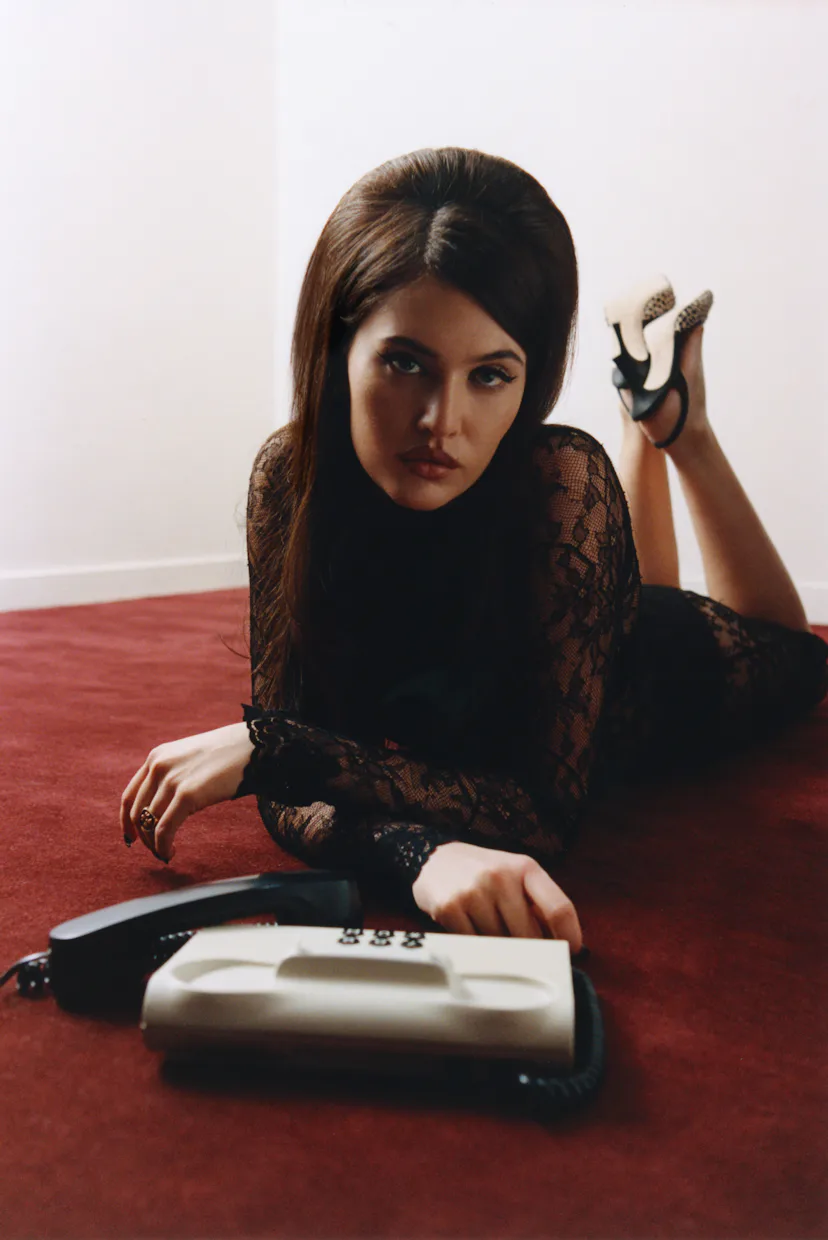

Sienna Spiro was at a loss. She’d just watched an early cut of The Devil Wears Prada 2 after being approached about its soundtrack, and the 20-year-old British soul singer wasn’t sure where she fit in. “My music, it’s quite sad, it’s quite miserable,” she says matter-of-factly. “And Devil Wears Prada is so bubbly and fun and sparkly. And so I left and was just like, ‘Oh God, what am I going to make?’”
She found herself thinking about, well, the plight of the media industry — you know, classic pop star stuff. Magazines shutting down. Everything going digital. “I really related to that in terms of my generation and how everything stopped being made into things you could touch,” she says. “I love real things. I keep souvenirs from all the shows I do. I’ll keep tickets, lanyards, anything.” So she decided to write a song about it: “Material Lover,” an addictively jazzy, feel-good ode to tangible connection (and, sure, the power of a little retail therapy). “I love making things with my hands. It makes me feel like a human being,” she continues. “And it’s the same way with music. I love real music. I love real instruments. I’ll always strive to make music with real humans that are playing real instruments, rather than using a computer. And never AI.”
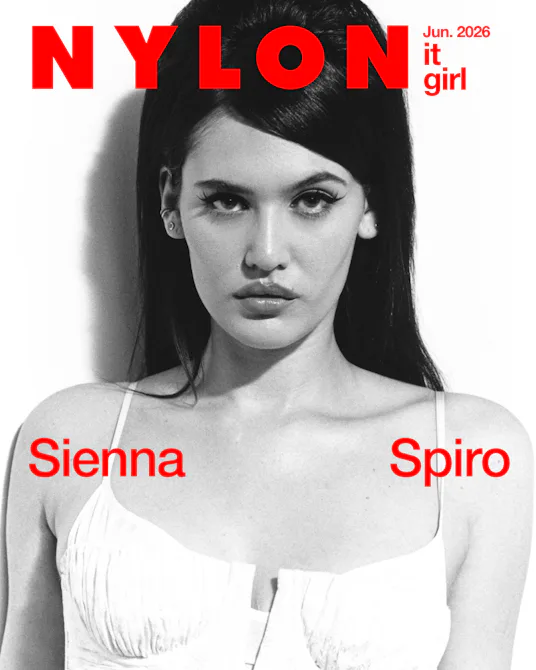
Originally we had plans to meet for lunch in Greenwich Village in late May, but due to a last-minute schedule change, Spiro is now giving her manifesto of sorts over Zoom from her bedroom in London, four days after wrapping a tour. Some time at home is certainly deserved, but it’s not that kind of trip. Her debut album, Visitor, is coming out July 3, which means “no downtime at the moment,” Spiro says proudly. We talk for all of 30 seconds before Spiro makes mention of the historic heat wave plaguing her country, which she is soldiering through in a cream-colored silk camisole and a perfectly slicked-back pony — a rare departure from the ’60s bouffant-inspired ’do she’s usually seen sporting these days.
“I have to make music, you know? It’s more than a want. I literally have to make music.”
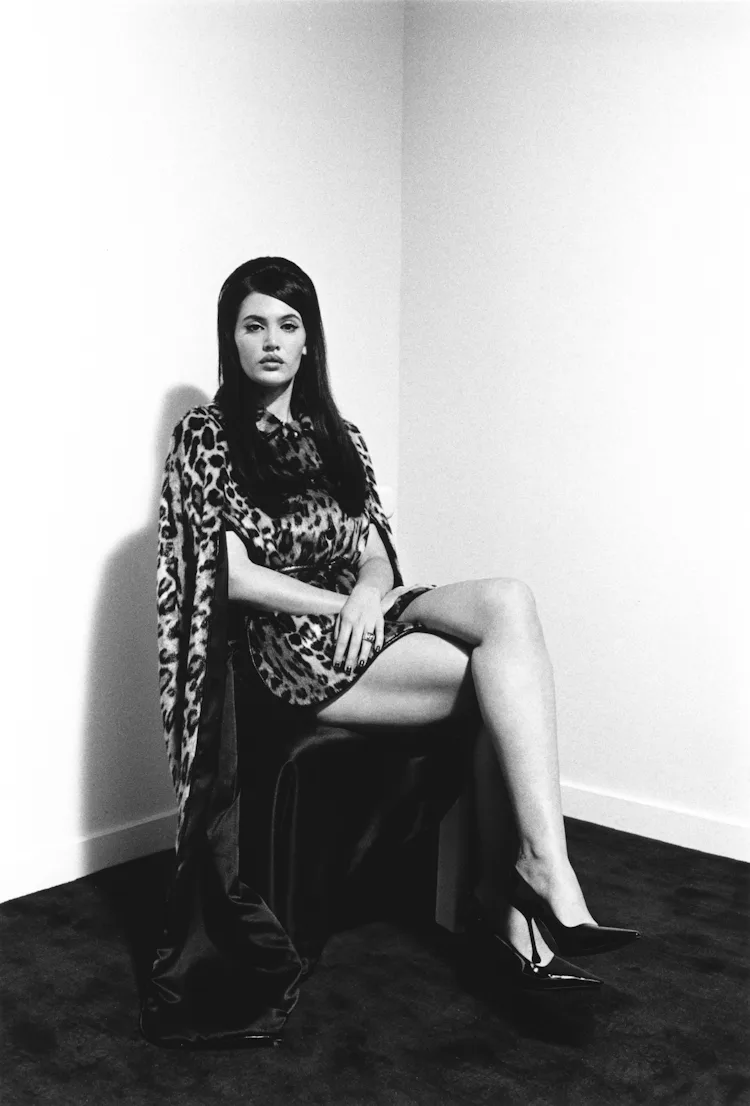
Between her vintage aesthetic and the kind of achingly soulful ballads the United Kingdom excels at exporting, Spiro’s work evokes a bygone era, long before algorithms and For You pages ever existed. (When I ask her about her dream collaborators, she quips, “Well, half of them are dead.”) Yet in an ironic twist, that’s exactly where she found her audience. She started posting covers on TikTok as a teenager, praying she’d get discovered, and in 2022 had her first brush with virality with a rendition of Finneas’ “Break My Heart Again.”
You can see why it cut through: Here’s this blond beauty, clutching her Apple headphones’ wired mic to her lips like she’s ready to narrate some influencer content, and then out comes that voice: a rich contralto that transmits the anguish of a much older woman with a pack-a-day habit, wrapped in the kind of melancholy that instantly forms a lump in your throat. “I thought I was Beyoncé,” she jokes of the clip’s success. “I walked around London like, ‘Oh, I wonder if I’m going to get recognized.’ I had 200K views!”
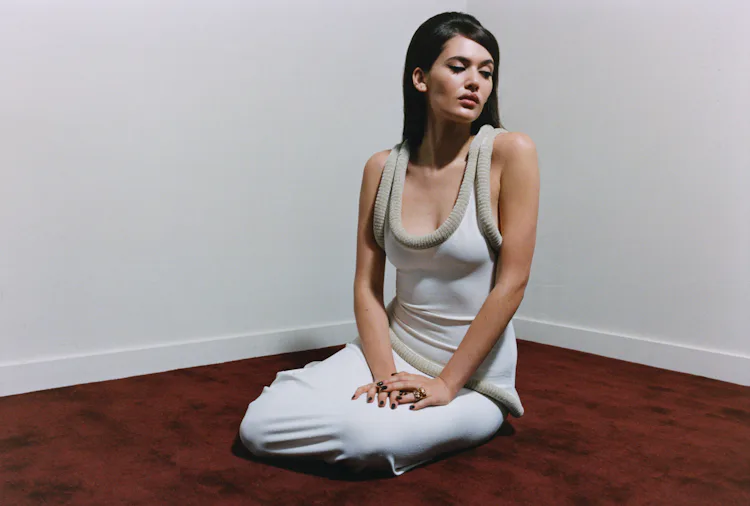
That was nothing compared to last fall, when Spiro released “Die on This Hill,” a unrequited love song that unfolds with the burning urgency of a life-altering cardiac event. (Yes, it’s that serious.) TikTok quickly grabbed hold of the song’s melodramatic bridge — “I know nothing could matter! God, I wish something mattered!” — cracking the Top 20 on the Billboard Hot 100 just four months after its release.
“If I hyperfixate too much on numbers and people liking me, I would be miserable.”
“That song was a weird one that couldn’t really get finished because there were loads of different versions,” she says. She pauses. “It was a really weird period of time actually, to be honest.” She was still learning how to assert herself, she explains. She’d tried an acoustic-guitar version while opening for Teddy Swims last summer, but she knew she hadn’t cracked it. “Someone around me was like, ‘This is it.’ And I remember singing it…” Spiro says, shaking her head disapprovingly as her voice trails off. “But then I started singing it how it is now on the next tour and it felt so good, so cathartic.”
In the end, she got her happy ending. “I really love this song and I will be happy to sing this for the rest of my life if I have to,” Spiro says. “When something feels right, it feels very right.”
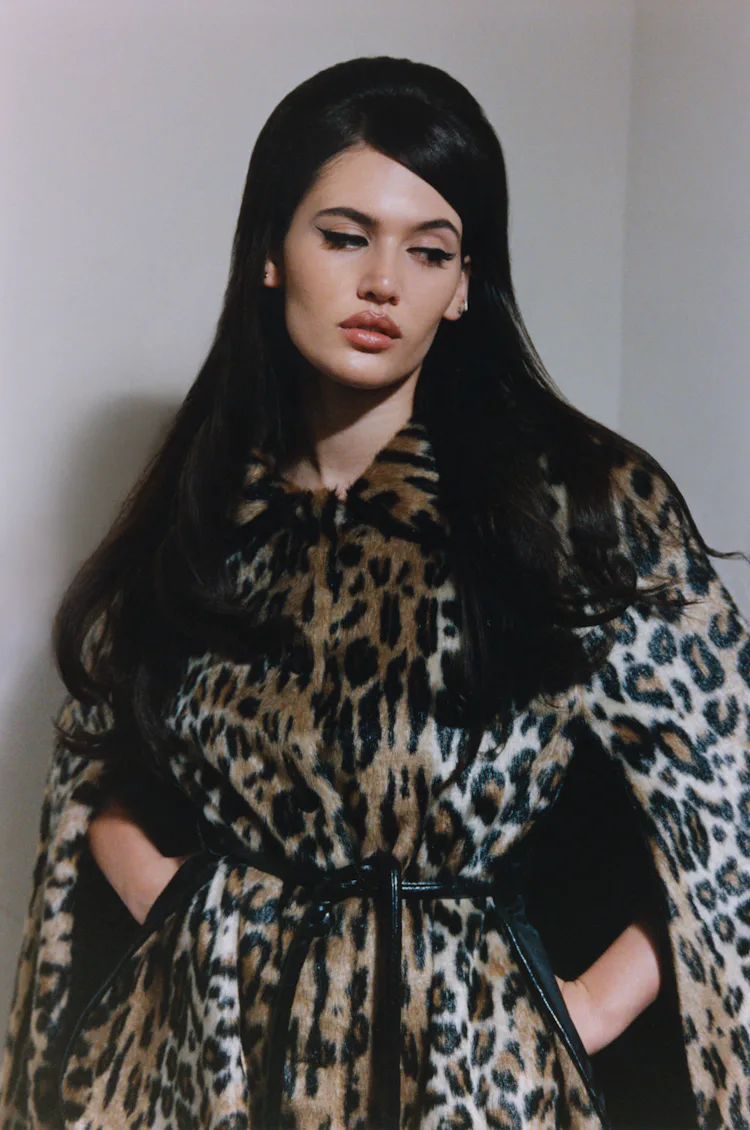
Finding her voice has been a lifelong project for Spiro. She wanted to be a performer for as long as she can recall. “Singing wasn’t even something I remember starting,” she says. “It was just something I always did.” But her family didn’t exactly see the vision as a young Spiro belted her face off at home. “My dad was my biggest critic for the longest time,” she says. She chuckles at the memory now, but the feedback got under her skin. “I really grew up thinking I wasn’t a singer. I was like, ‘Well, I’ll be a really good songwriter then if I want to do this.” Still, for Spiro, there was no other choice: “I have to make music, you know? It’s more than a want. I literally have to make music.”
“I would sing everything. Every note, every scale, every riff, every run — the loudest singer. That really doesn’t make a good vocalist.”
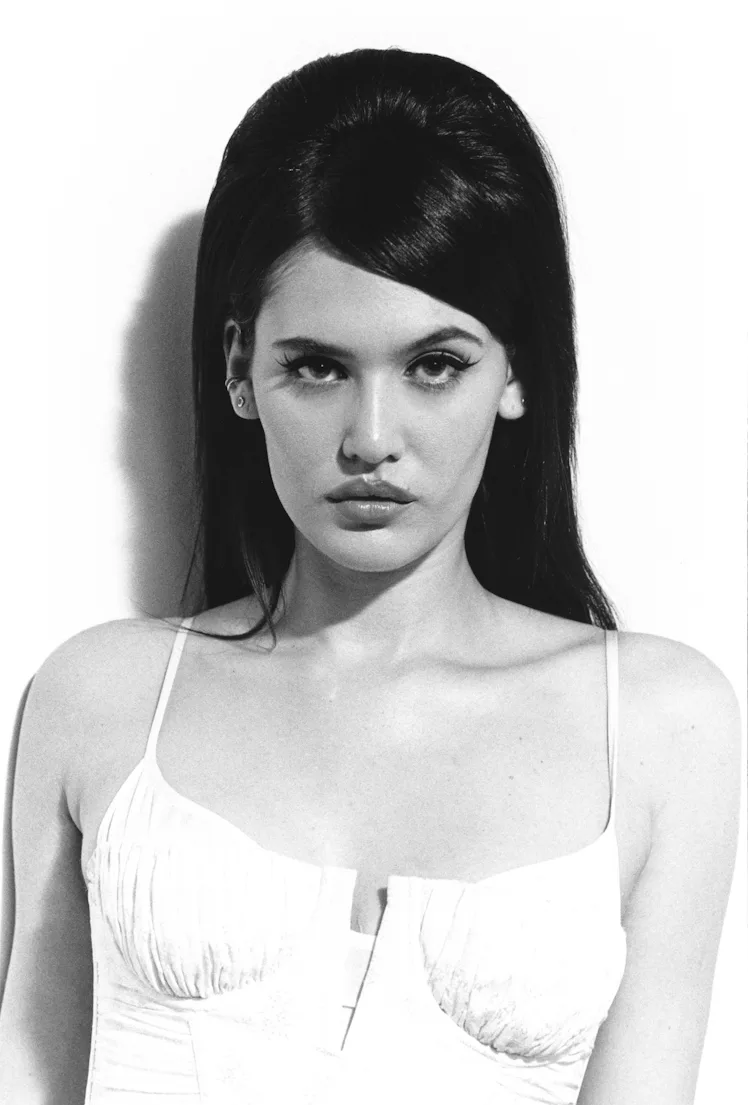
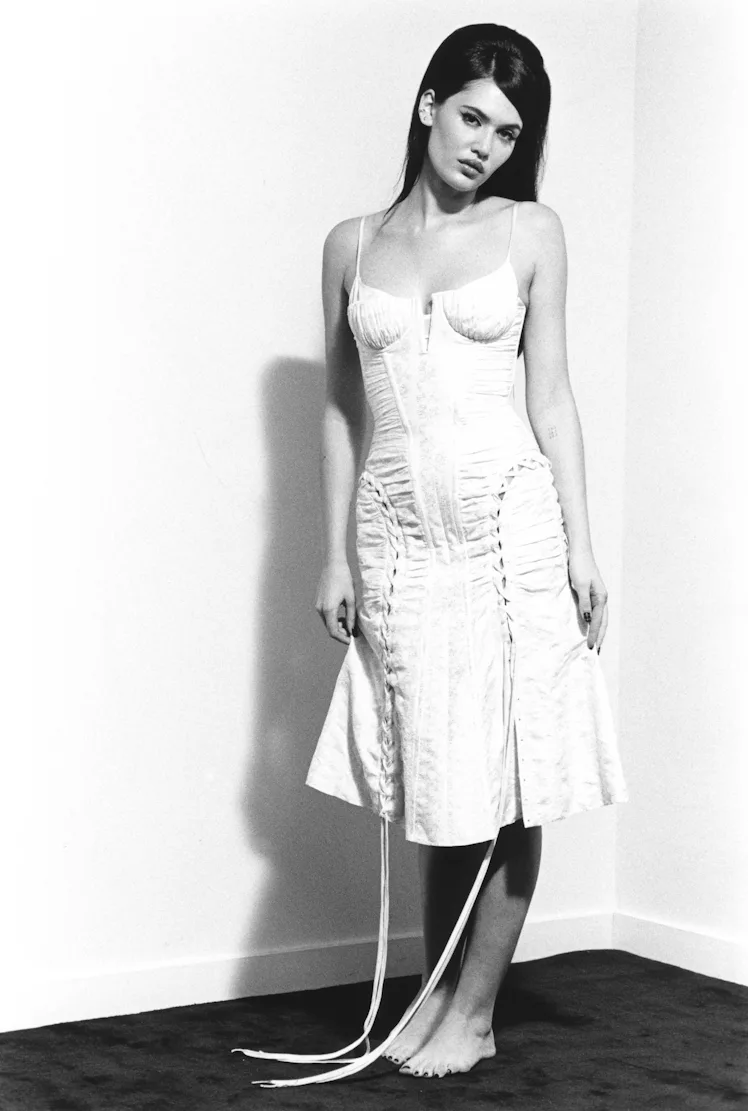
As it turns out, she had a lot of big feelings to work through. She describes her childhood self as stubborn, passionate, and bestowed with an “innate sadness” from the age of 10. That was the age she wrote her first song, “Lady in the Mirror” — a nod to Michael Jackson’s “Man in the Mirror,” which she loved — about feeling misunderstood at school.
“I was getting bullied, and no one really believed me that it was happening,” she says. “The song was about how the only person who really knows what’s going on is me, the person in the mirror.”
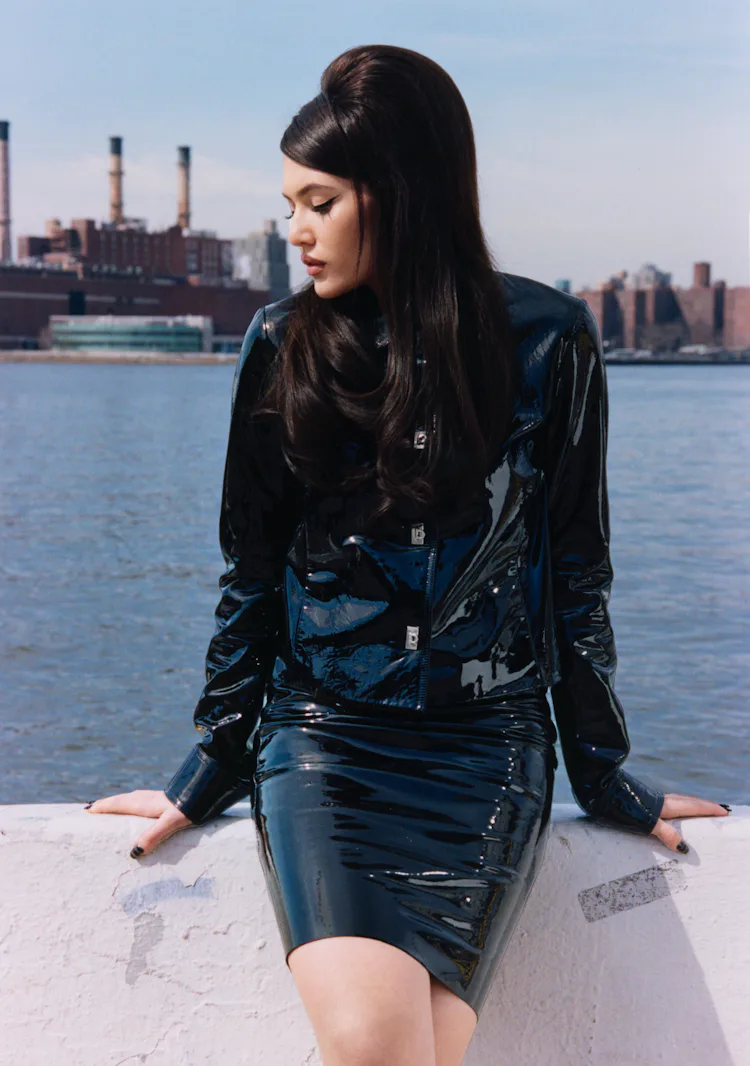
“I didn’t believe in myself enough yet to have an album. But the way people receive my music really gave me the confidence.”
She took the lyrics to her music teacher, Mr. Richards, who helped her build a piano arrangement, and then performed the tune in front of all her bullies at a school assembly. (“I don’t really know what possessed me to do that,” she says. “It was kind of insane, to be honest.”) And while she didn’t get any apologies from her tormentors, they affirmed her talent nonetheless.
“These assemblies where you’d get to sing, they would allow your parents to come in, and anytime someone was singing on stage, everyone would look behind to see the mum. That was kind of a sign that you’re killing it,” says Spiro. “My mum was there filming, and everyone was looking behind. That was so validating.”
Even so, finding her footing as a recording artist took some time. After meeting her manager and dropping out of the East London Arts & Music secondary school, Spiro did what most up-and-coming pop stars do: She put herself through the “speed-dating” wringer of songwriting sessions. Spiro bristled, however, at the pressure and impersonal nature of hitmaking. “It’s like, ‘Oh, you’ve got one day to meet this person, connect with them, write a song’ — and if you don’t finish a song, you feel this sense of guilt,” she says. “And that is, I cannot even begin to tell you, the most f*cked-up way to think about making music.”
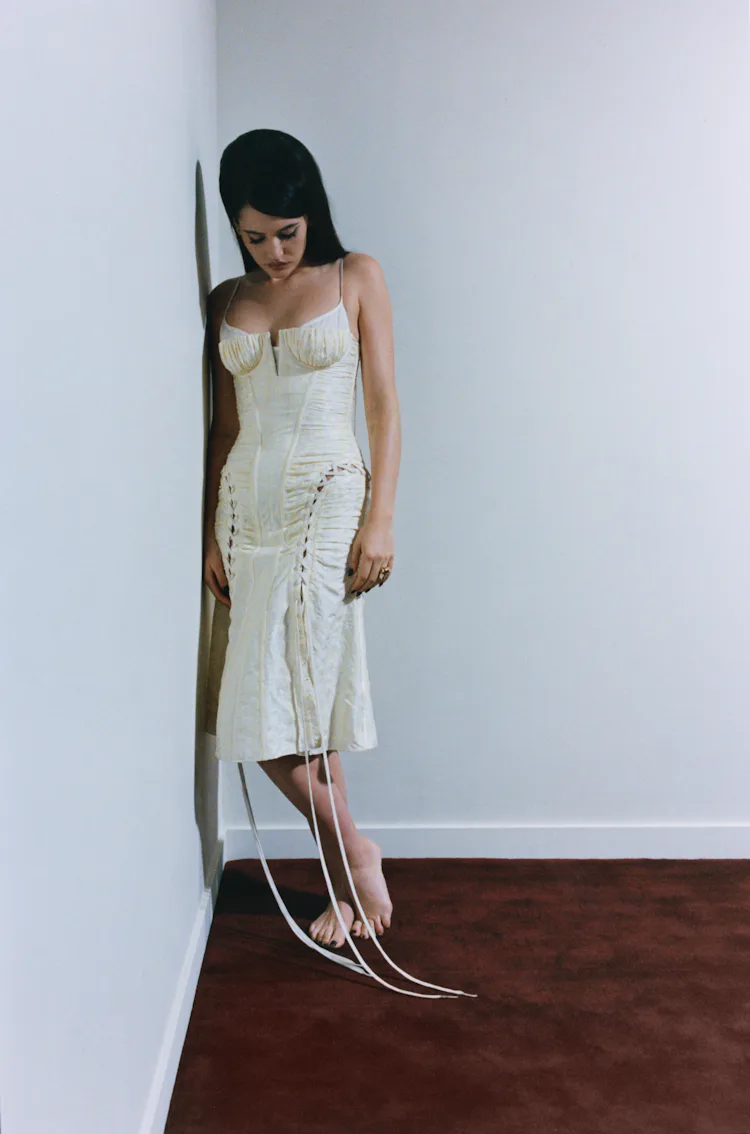
Once she found her people, including writer-producer Omer Fedi, she had to battle her own insecurities. In the studio, “I really was trying to prove myself,” she says. “I would sing everything. I would do every note, every scale, every riff, every run, be the loudest singer. That really doesn’t make a good vocalist. It really doesn’t.” Fedi, who executive produced Visitor, helped her chill out: “He’d be like, ‘Stop! Stop that!’” she recalls. “He really taught me the art of intention.”
When Spiro started work on Visitor, she didn’t think she was crafting her debut; she thought she still had to earn a full-length body of work. “I didn’t really believe in myself enough yet to have an album,” she says. “But I think the way people receive my music really gave me the confidence. I was just going to make it an EP or a mixtape, but it just felt like a disservice to not make it a full album.”
“I’ll always strive to make music with real humans playing real instruments, rather than using a computer. And never AI.”
The album’s 10 tracks are centered on themes of impermanence and the idea that we’re all just visitors in each other’s lives. You can drive yourself crazy thinking about how nothing lasts forever, Spiro says. Or you can find the beauty in ephemerality — “love things for what they are and loving them more because they won’t last,” as she puts it. Which is a handy perspective to have when your career is blowing up. “I have these moments where I cannot even wrap my head around the way my life has gone, and the speed that it’s gone at,” says Spiro. “I feel like equal parts deeply grateful and very, very nervous.”
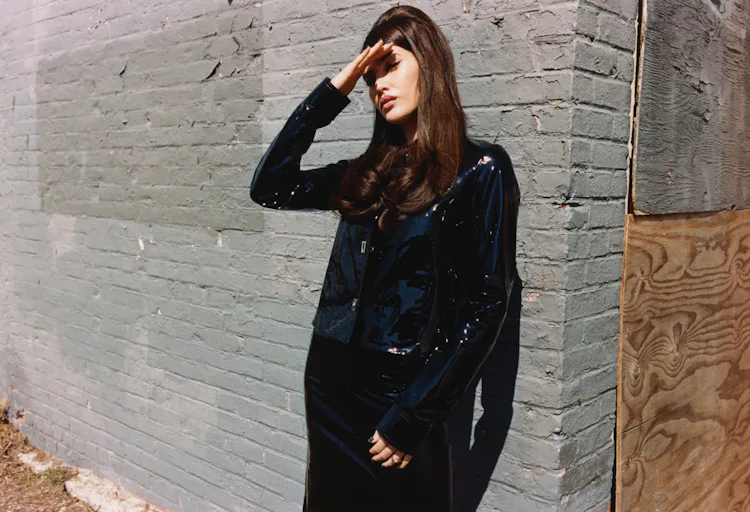
Spiro jokes that she has the “memory of a fish,” but as she lists off the highlights of her recent tour, it’s clear she’s taking it all in. Ask her what she did in Brussels and she can give you a play-by-play of her day, from the mussels she had at Chez Leon to the sorbet she had on the lake. Ask her about the crowds, and she’ll summon a snapshot that stopped her in her tracks. “There was this one moment during ‘Maybe’ where I was looking at this girl crying in the second row, and this other girl in the first row put her arm around her and brought her forwards. They didn’t know each other,” says Spiro (who embarks on a North American tour this fall). “It’s so beautiful and crazy to see from my perspective. I feel very lucky to create the vibe in those rooms.”
She tries not to think too hard about external validation. “If I hyperfixate too much on numbers and people liking me, I would be miserable,” she says. But what’s the point of having a hit if you’re not going to enjoy it? “I’ve got a plaque downstairs — I’ve never had a plaque before,” she says. “I was so happy.”
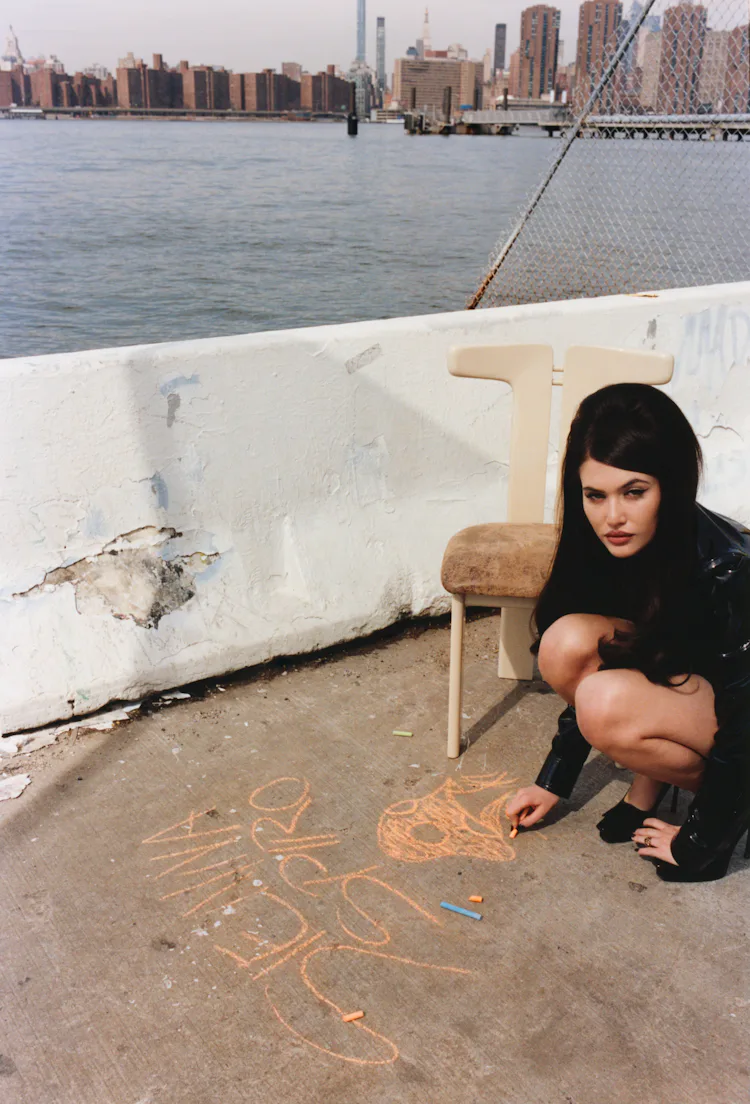
She feels similarly about her ever-growing list of famous fans. SZA was an early supporter on social media. Elton John invited her on his Apple Music radio show. (“I try and pick their brains,” she says. “I’m like, ‘So what happened when you…?’ I’m so nosy! I have to know everything!”) Sam Smith joined her on stage to duet. But there’s one artist she can’t believe reached out: “I won’t say who it is because I don't know if we’re allowed, but she’s my biggest living idol,” Spiro says coyly. “That was the greatest thing that's ever happened in my entire life.”
It’s even better than making a fan out of her once-biggest critic: her dad. “I always tell him,” she says, laughing. “I’m like, ‘See, I told you!’”
Top image credit: Valentino clothing; Manolo Blahnik shoes.
Photographer: Ricky Alvarez
Stylist: Stephanie Sanchez
Writer: Jillian Giandurco
Editor-in-Chief: Lauren McCarthy
Creative Director: Karen Hibbert
Hair: Iryna Zirka
Makeup: Walter Obal
Video: Katherine Diermissen
Photo Director: Jackie Ladner
Production: Kiara Brown, Danielle Smit, Cassidy Gill
Video Producer: Aubree Lennon
Fashion Market Director: Jennifer Yee
Fashion: Ashirah Curry, Noelia Rojas-West
Features Director: Nolan Feeney
Social Director: Charlie Mock
Talent Bookings: Special Projects
