Fashion
The World According To Diya Joukani
The burgeoning designer is redefining street style... literally.
Whether or not you recognize the name yet, you already know Diya Joukani.
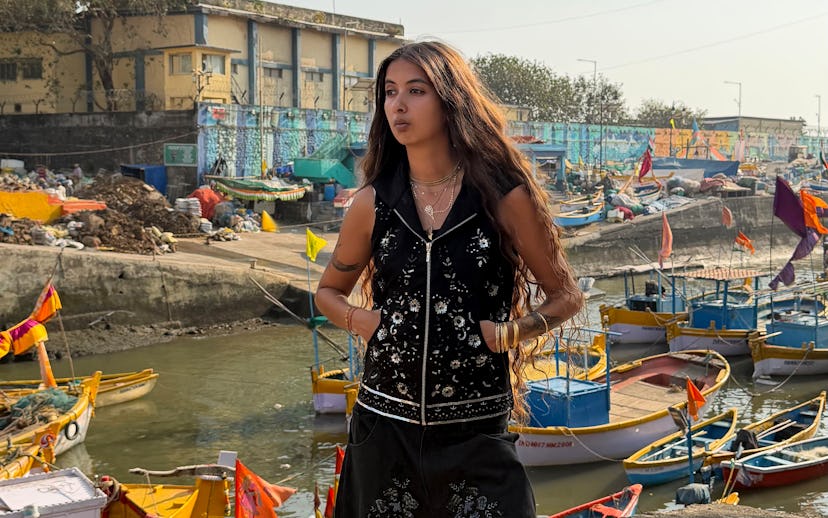
If you’ve spent any time on TikTok or Reels in the past month, you’ve likely come across the 25-year-old designer. Her waist-length raven locks, a rotation of gloriously embellished fits, and an enviable irreverent swag carry her through the streets of Mumbai by foot, rickshaw, or horseback. Across dozens of now-viral clips, the formula is instantly recognizable. Set to Frank Ocean’s “Nights,” Joukani dines on local fare, banters with street vendors, and jaunts through the city in a fit of equal parts Western streetwear and Eastern tailoring. What begins as a casual day-in-the-life format (part outfit diary, part city stroll) has quickly snowballed into something larger: a viral blueprint other creators are now replicating around the world for their own shot at Joukani-level traction.
“When I filmed the first video, I knew people were going to like it — it's just cool,” Joukani says simply. “But I definitely did not expect literally the whole world to be tapped into this ‘Diya’s duniya’ thing.”
And Diya’s duniya it has become. Hindi for “world,” the phrase now feels less like a cheeky caption and more like a literal description of the phenomenon she’s set off. Since January, Joukani’s format has been re-created thousands of times under the same Frank Ocean track by creatives across the globe documenting their cities through the same loose template: walking, eating, dressing, and quite literally existing throughout their own corners of the world. Coolly, of course.
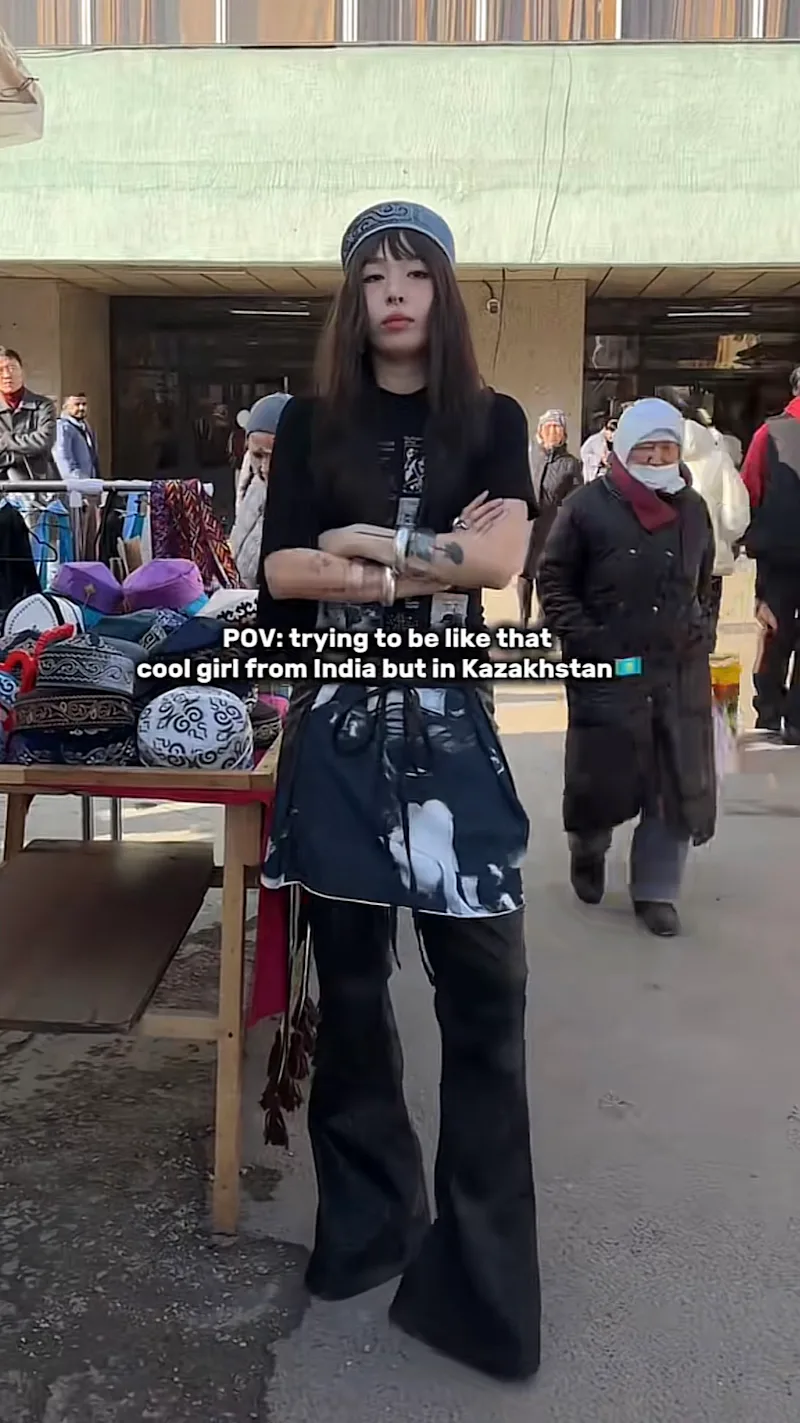
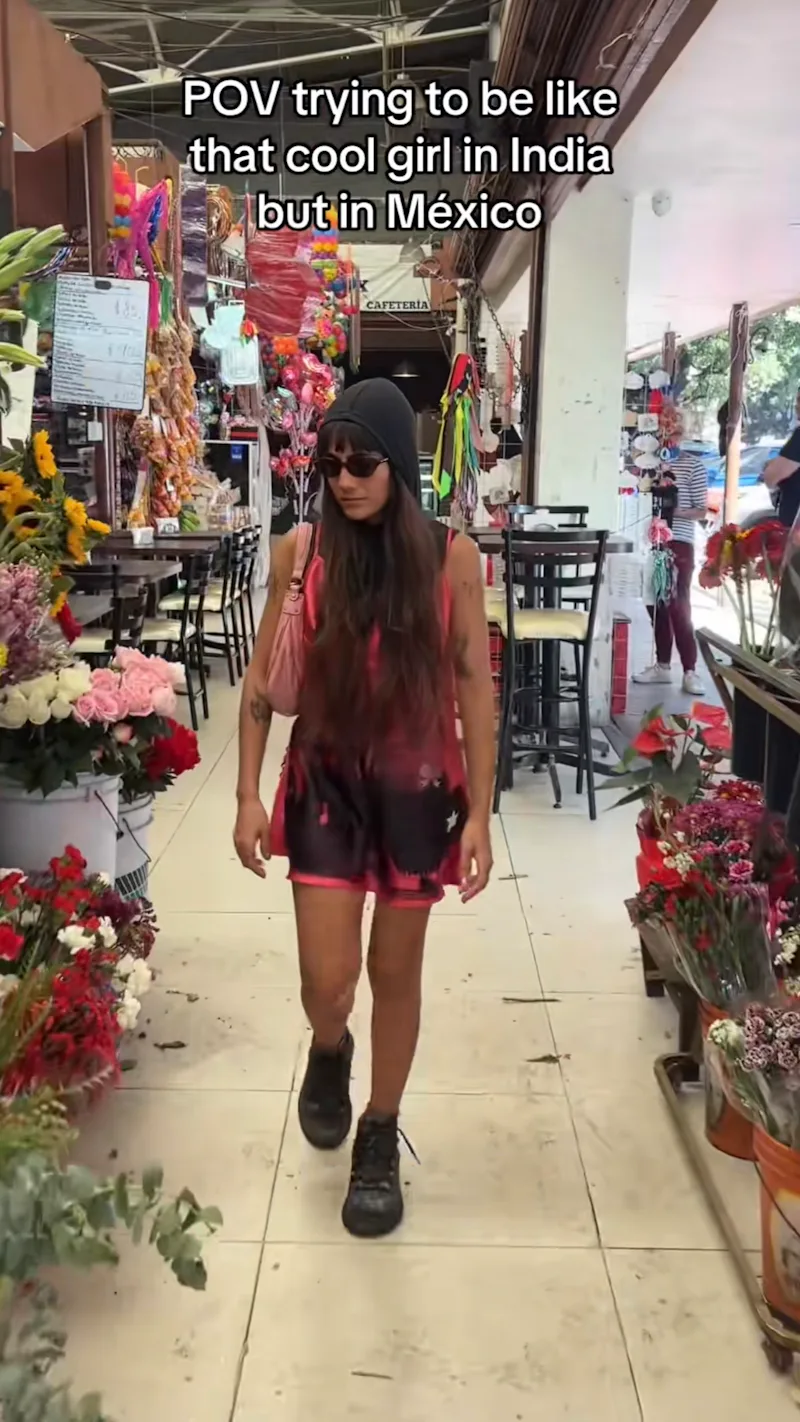
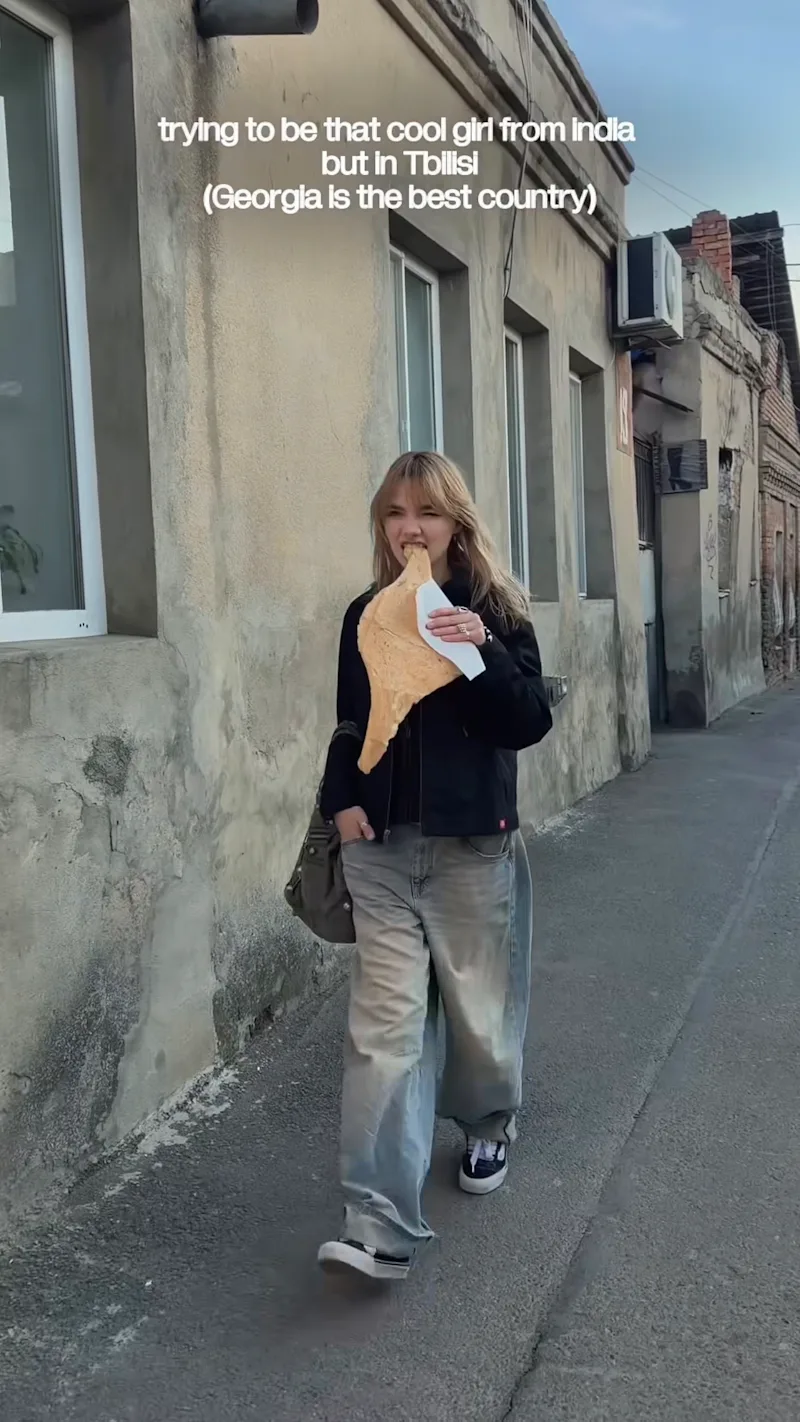
Scroll long enough and the trend begins to feel like a digital passport: a Takiya-clad artist saunters through vintage markets in Almaty. A minidressed-darling swishes past flower stalls in Mexico City. A baggy-jeaned baddie snags fresh shotis puri while drifting through Tbilisi. But for being the current face of the fashion algorithm, Joukani ironically never set out to engineer anything viral in the first place.
A self-taught designer, she only started making clothes a little over a year ago after a string of thrift store gigs and a growing fascination with the construction of garments. Armed with YouTube tutorials and a sewing machine from Facebook Marketplace, she studied how to cut patterns and stitch garments from scratch. Her first piece — a jacket — immediately drew attention when she wore it out.
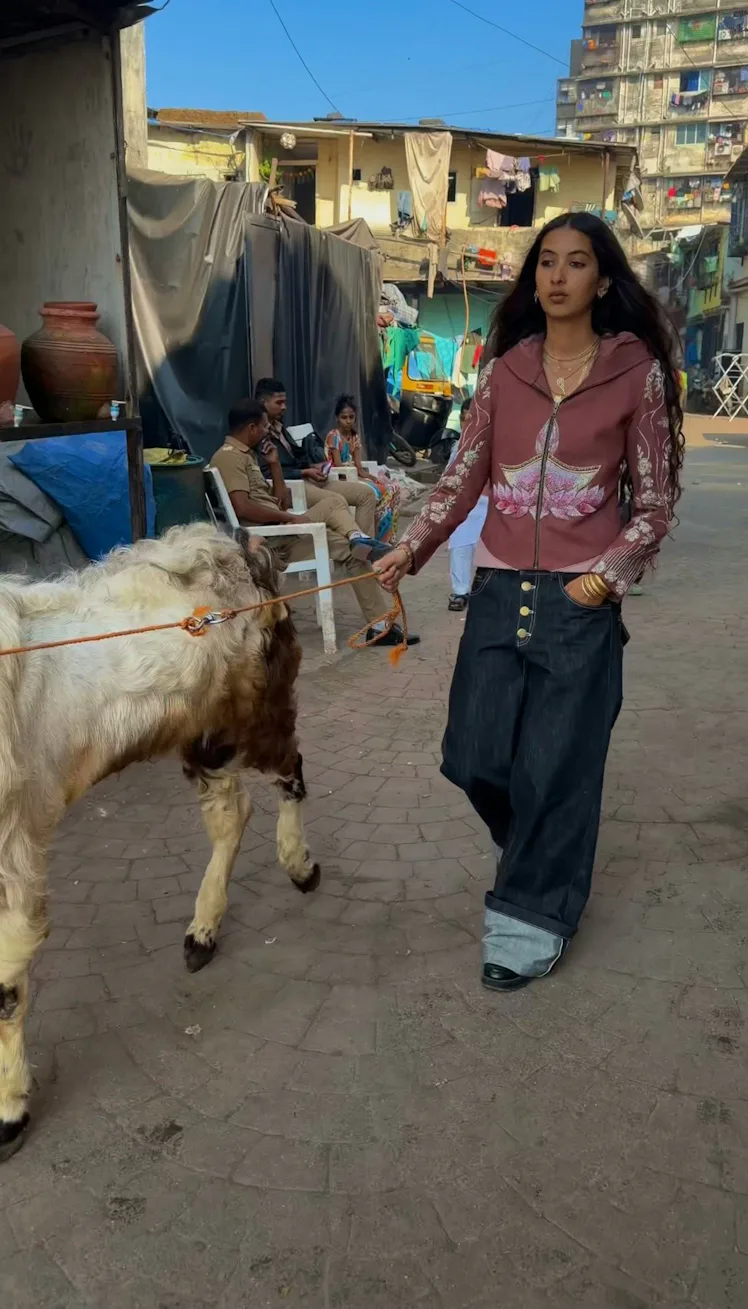
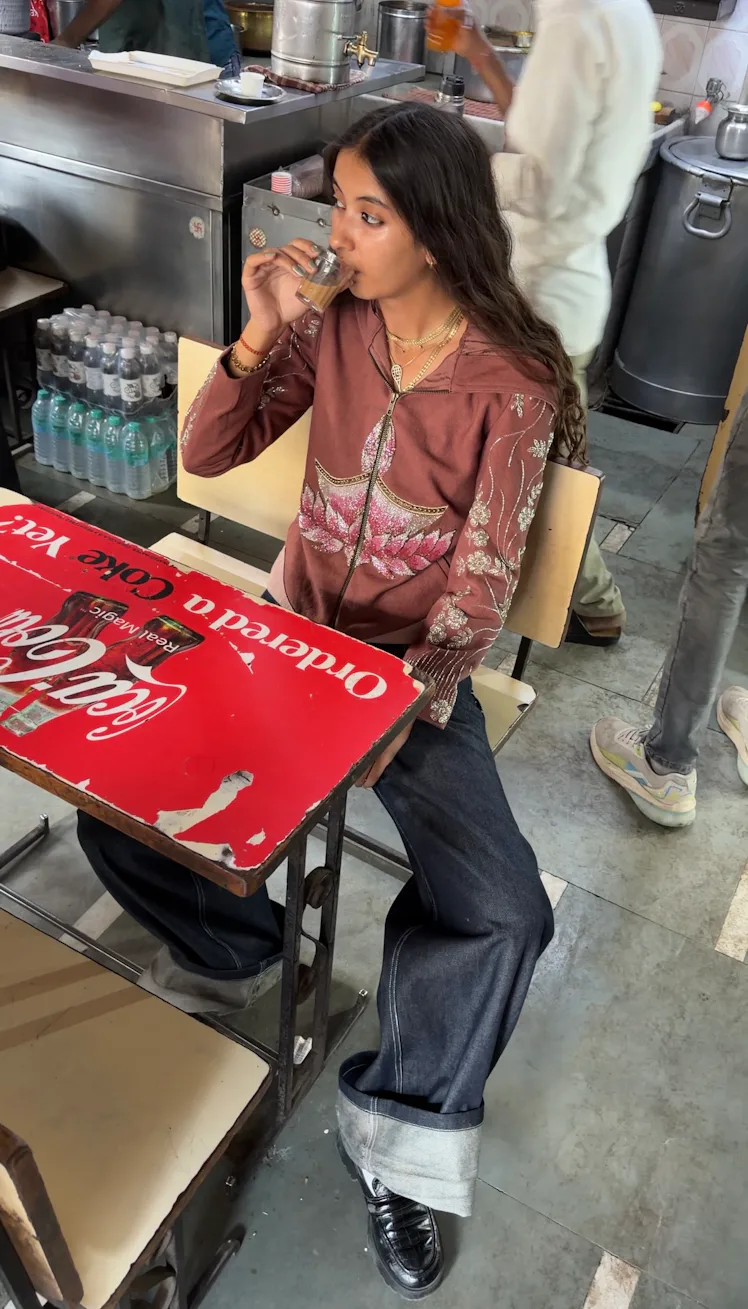
“Everyone was just asking me, ‘Where’d you get your jacket from?’ I was like, ‘Guys, I made this.’”
What followed was a kind of accidental fashion startup. Joukani began posting slideshows of her designs online, fielding a growing flood of DMs from people asking to buy the pieces directly. Within months, she launched a website to showcase her first collection, which promptly sold out the day it went live.
The aesthetic that’s since become her signature blends global streetwear references with distinctly Indian craftsmanship. Joukani’s take on the ever-trendy baggy jorts and zip-up hoodies are ornamented with traditional aari and zardozi embroidery — and for Joukani, this juxtaposition is entirely intentional.
“That’s what it’s all about. We’re bringing the world to India. If there’s any way I could bring even more attention to India, I’m going to do it because my people, my community, my culture — they’re everything.”
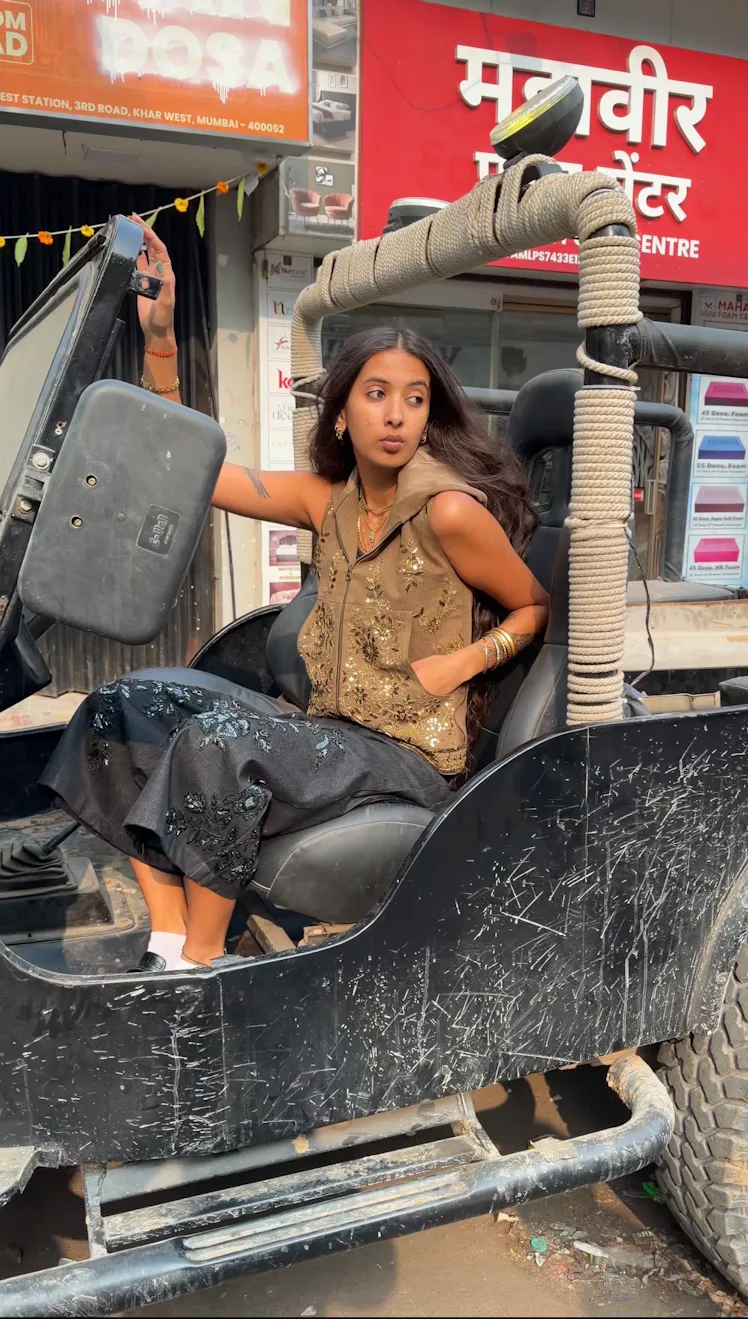
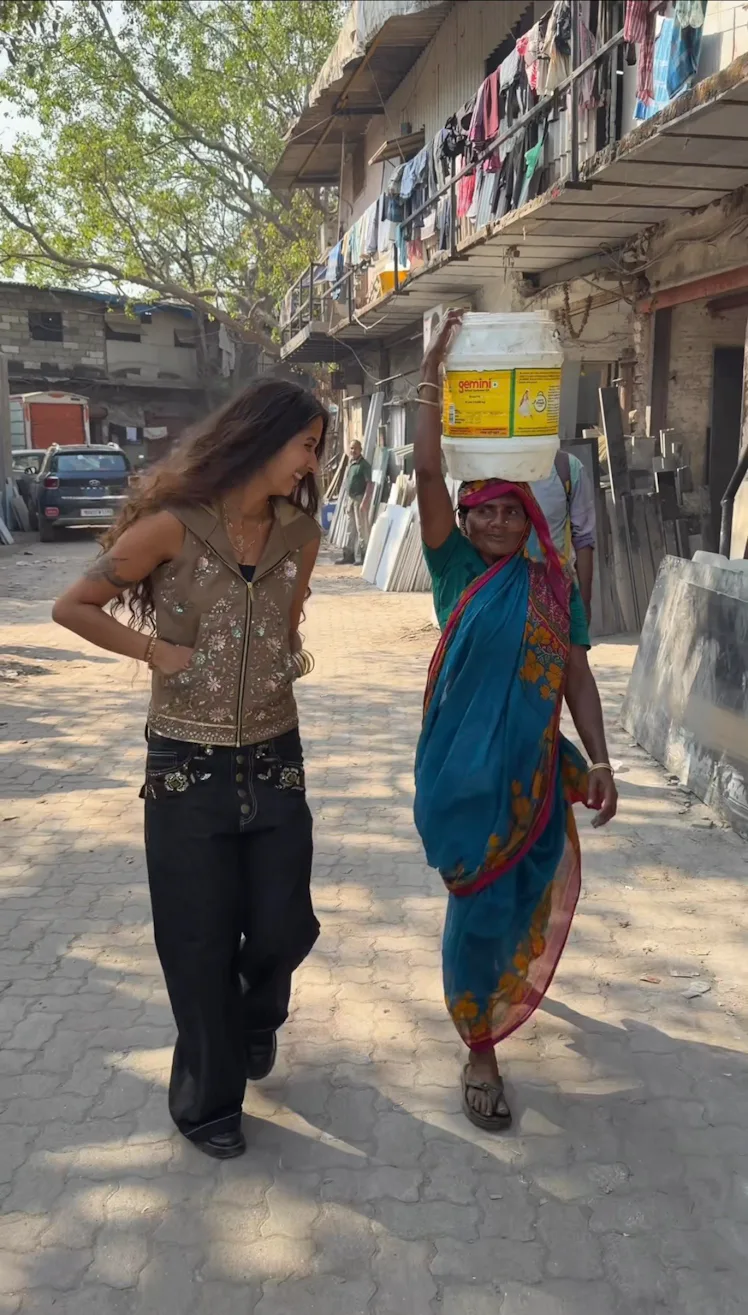
But make no mistake, this isn’t traditional fashion marketing. Joukani is selling us her universe and, well, it’s working. Increasingly, other designers and artists around the world are doing the same. One of them is Isabel Perez, founder of Hera Studio in Quito, Ecuador. Like Joukani, Perez built her label outside the traditional fashion capitals, and largely through the connective tissue of social media.
“I live in a small country and didn’t have the budget to showcase my clothing abroad,” Perez explains. “The only thing I could do was make videos showing the behind-the-scenes of how our pieces are made.”
Her brand collaborates with local artisans and uses Panama cotton, and social media has amplified that hyperlocal production internationally. When Perez discovered Joukani’s videos, she was instantly inspired. Perez filmed her own version wandering through Quito’s historic old town, weaving her patchwork garments through street scenes locals would instantly recognize — colonial churches, coconut vendors, street food stands, shoe-shiners stationed along the sidewalks — creating a video that felt immediately familiar to locals, but completely new to anyone seeing the city from afar.
It’s a moment that hints at something bigger: what Joukani has quietly sparked online isn’t just another TikTok trend destined for algorithmic purgatory in three weeks’ time. Clothes aren’t compelling without a world attached.
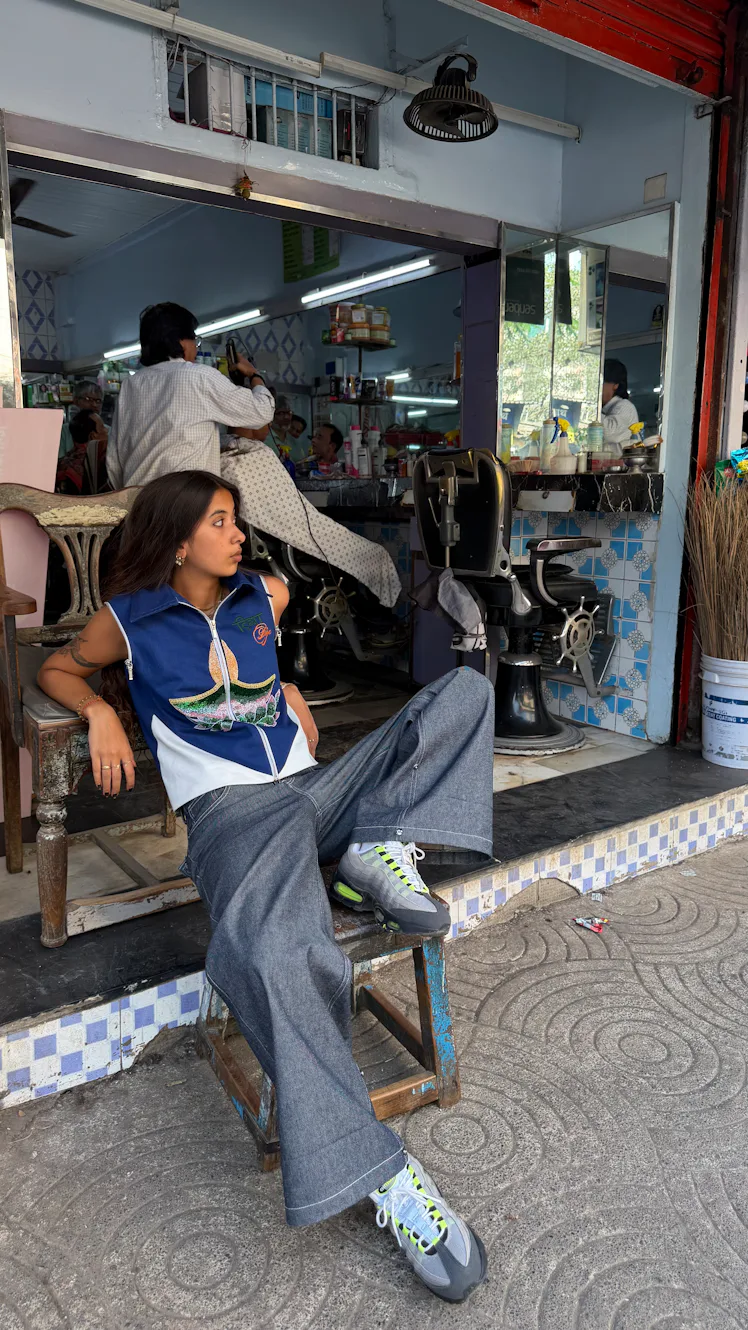
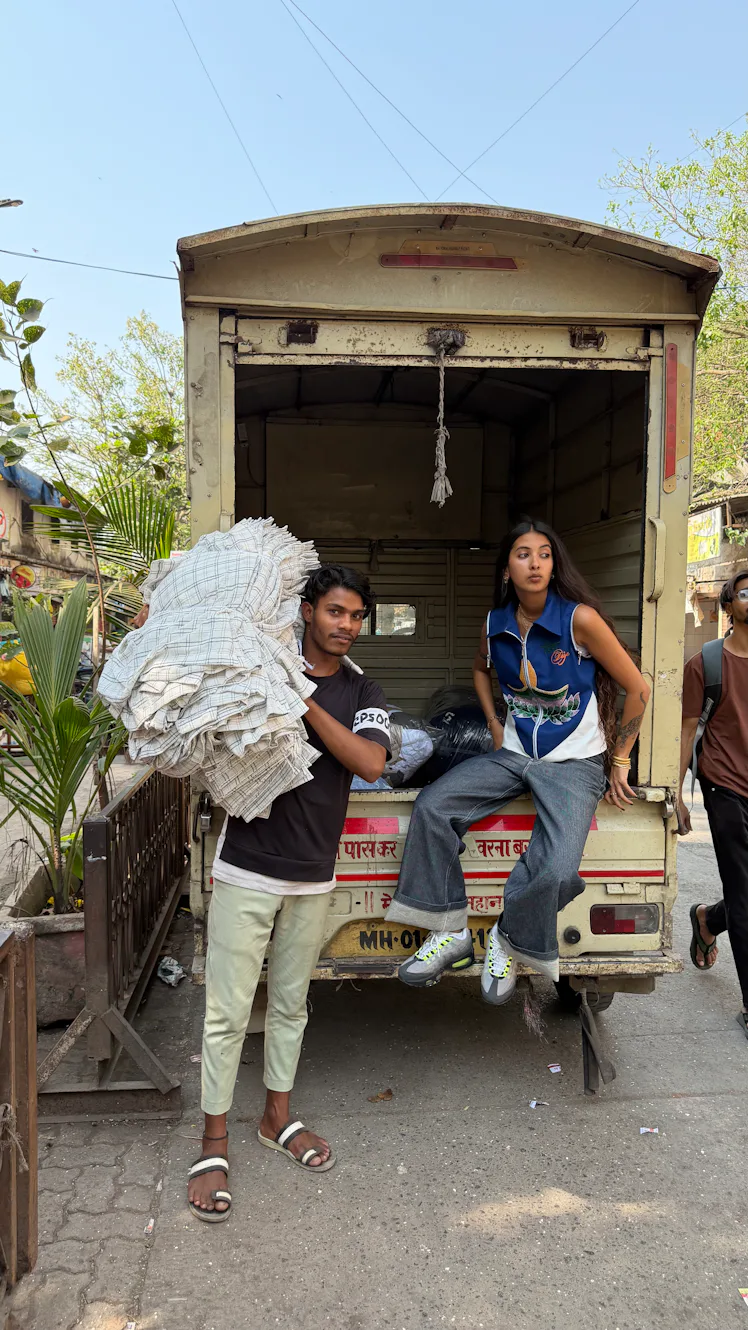
In a post-pandemic fashion world, the industry has become obsessed with locality. After stalled travel and fractured supply chains, people began looking closer to home — for inspiration, community, and identity. In an era where the same blazer can be ordered from anywhere, what feels exciting is specificity: a street food stand, the language overheard, the rhythm of a city that can’t be replicated. Even major houses are leaning in: under Daniel Lee, Burberry staged campaigns in muddy fields and coastal towns, while Jacquemus mines the South of France for place-driven imagery. And it’s precisely this hunger for clothes with a world attached that Joukani has quietly been shaping first — turning her city, her streets, and her craft into a universe people want to inhabit.
Which brings us to the question of, well, “It.” For decades, the “It Girl” archetype conjured images of A-listers and socialites orbiting the same handful of traditional sartorial capitals with wealth measured in follower count. But for fashion’s next gen, Paris, Milan, New York, and London are more background noise than beacons. Ask Joukani what defines It-Girldom today, and her answer is refreshingly blunt.
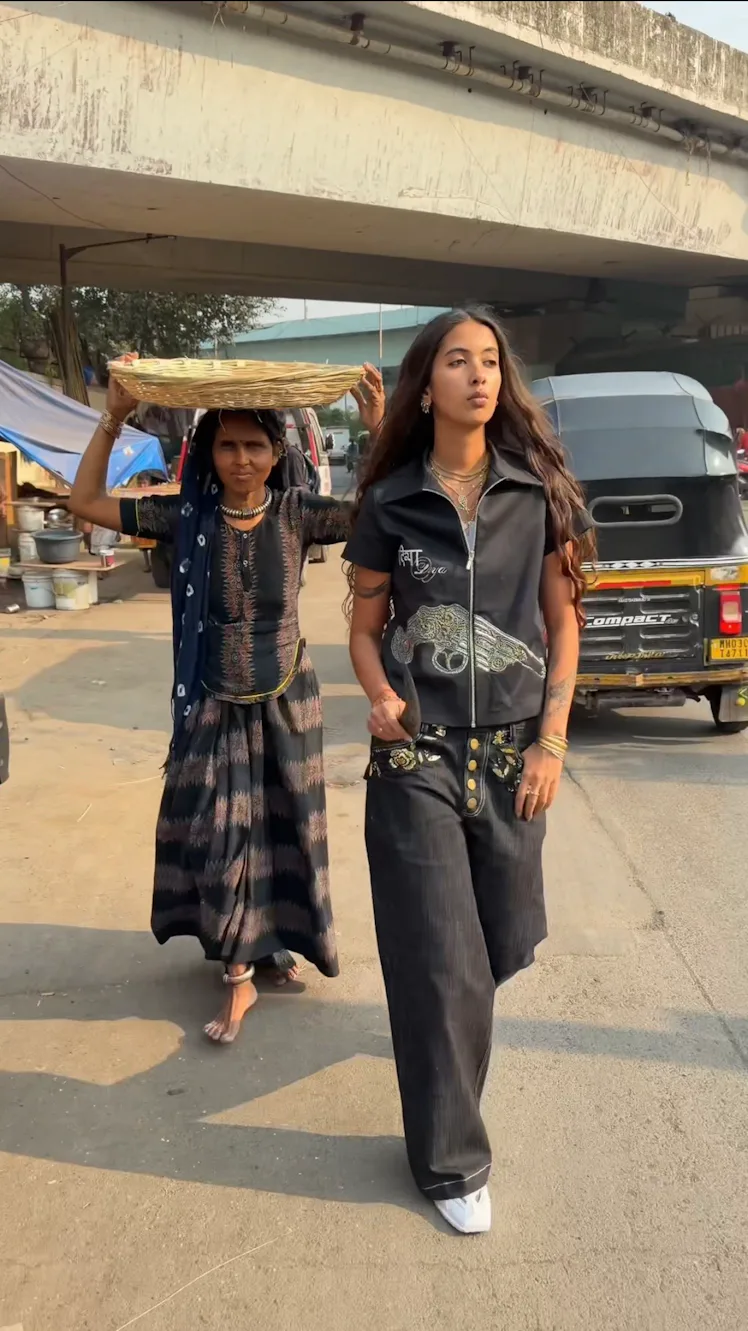
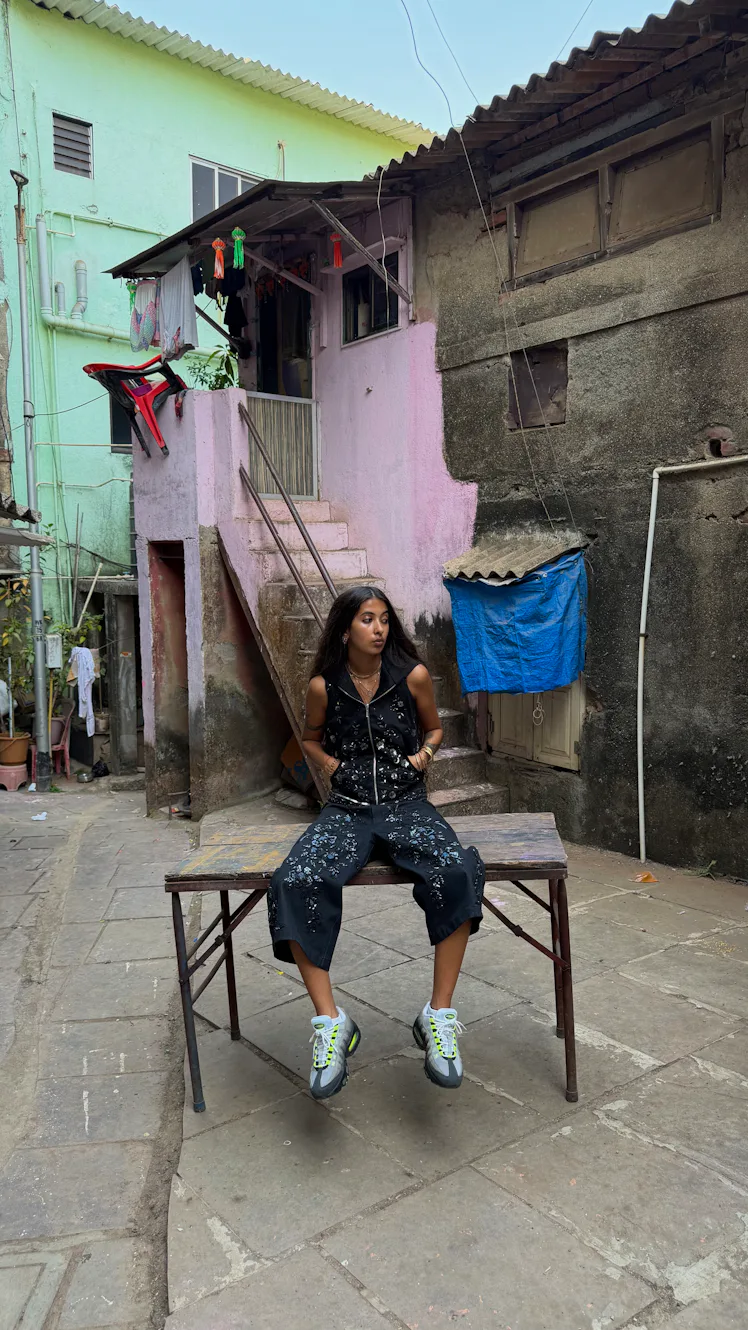
“I don’t think you need followers,” she says. “If you got it, you got it. Some of the coolest people I know are not even on the internet.”
Perhaps fashion’s next waves aren’t built on glossy campaigns or traipsing down the runway, but walking down their own streets instead. Now queue the Frank Ocean.
