Life
From High Fashion to High Function: Mo Helmi’s Plan for Cultivating Wellness
Designing for Wellness: How Mo Helmi Is Transforming Green Spaces Into Living Ecosystems
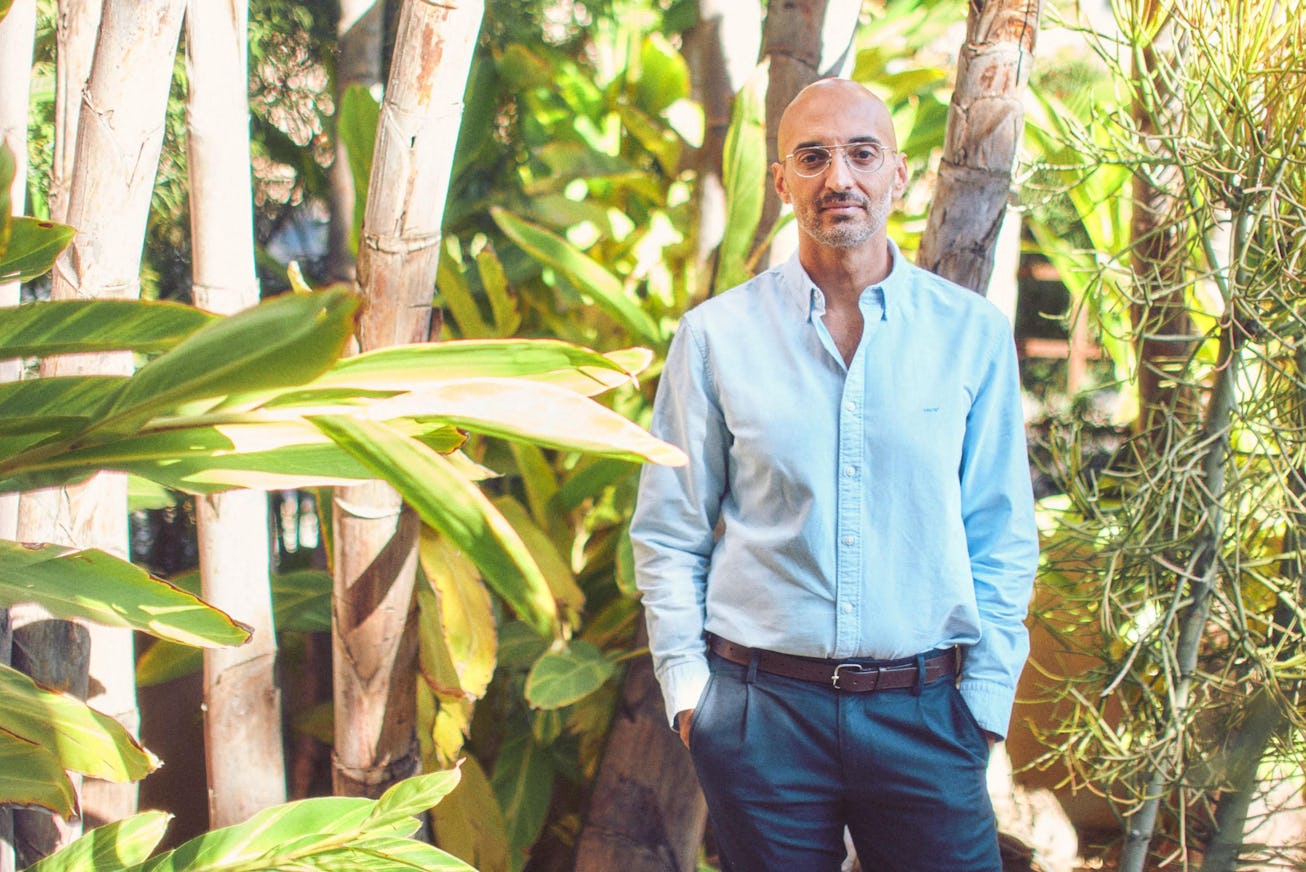
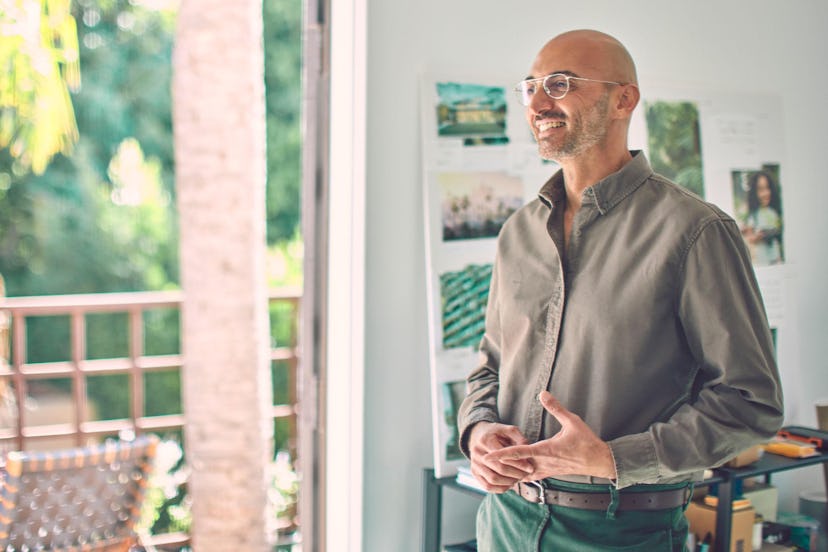
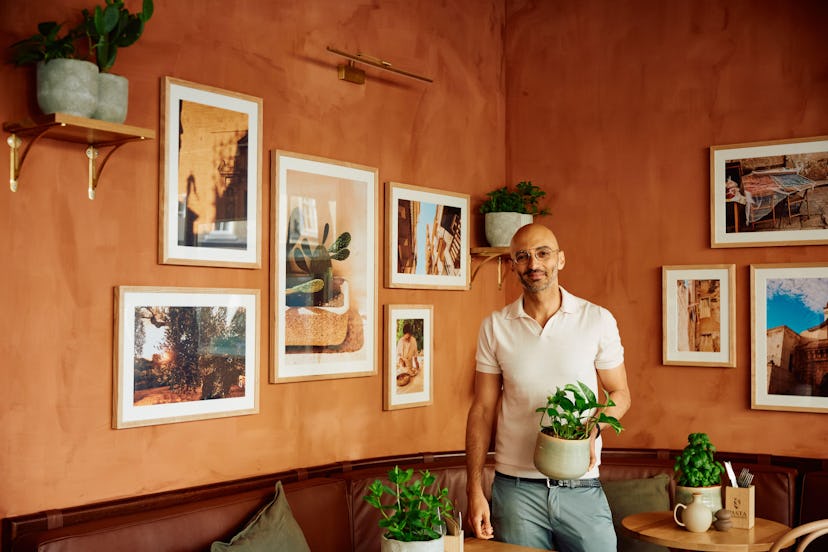
As a British landscape artist and the founder of Tricoastal Scapes, Mo Helmi is changing how people see the outdoors by changing the way they are designed. He believes that green spaces are more than just pretty backdrops. They’re important tools for healing both people and the planet.
With studios in London and Los Angeles, Helmi’s work is centered on the principle that well-designed ecosystems can genuinely reduce stress and help people recover physically, improving their long-term health, all while looking beautiful and giving the environment a support boost.
Trading The Runaway For Rewilding
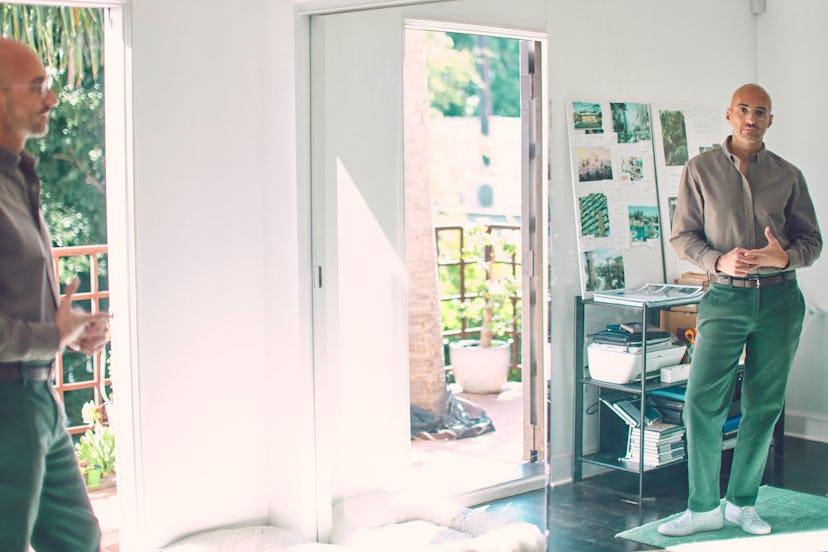
Helmi’s path to landscape design was fairly unconventional. For fifteen years, he was part of the cutthroat world of high fashion, starting as a Fashion Assistant at an internationally renowned design house and eventually launching his own luxury Italian shoe and handbag brand. He approached his move to landscape architecture as a deliberate choice to embrace well-being and create a more positive impact on the world. And all of the creative energy he absorbed while working in global fashion in places such as London and Milan now shapes his personal approach to landscape design.
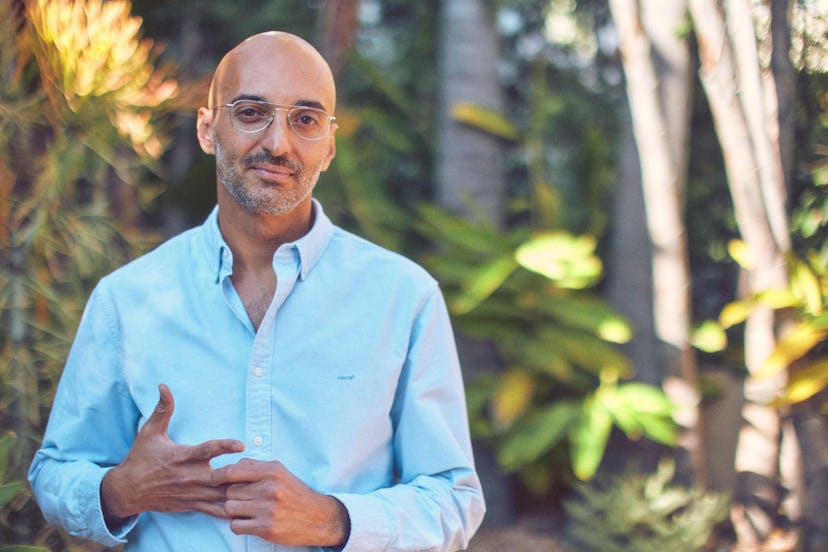
He credits his time in fashion with teaching him how to more clearly articulate his vision, as well as to better combine different creative elements. In the beginning, his fashion background was met with skepticism in the landscape community, but this initial dismissiveness only moved him to establish Tricoastal Scapes, a company now known for its work across the UK, US, and EU.
A Destiny To Design
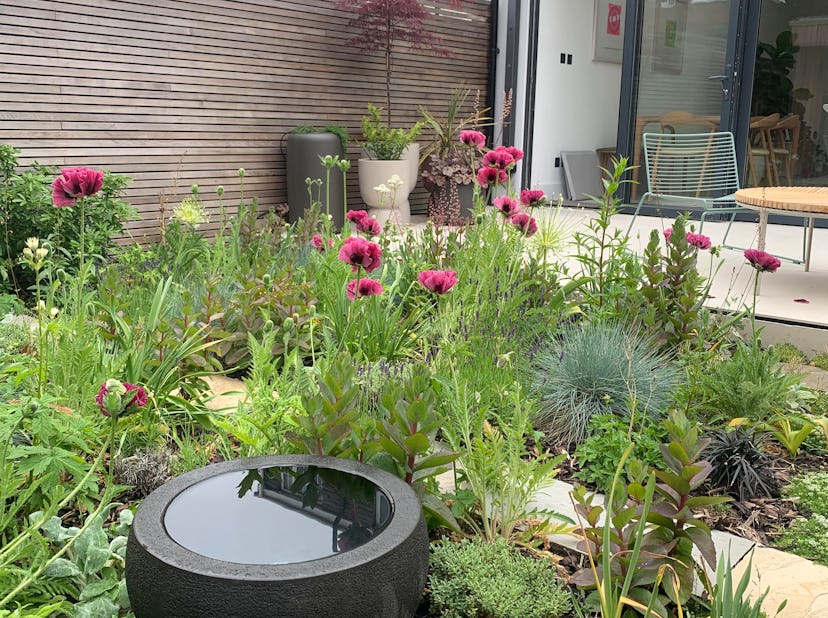
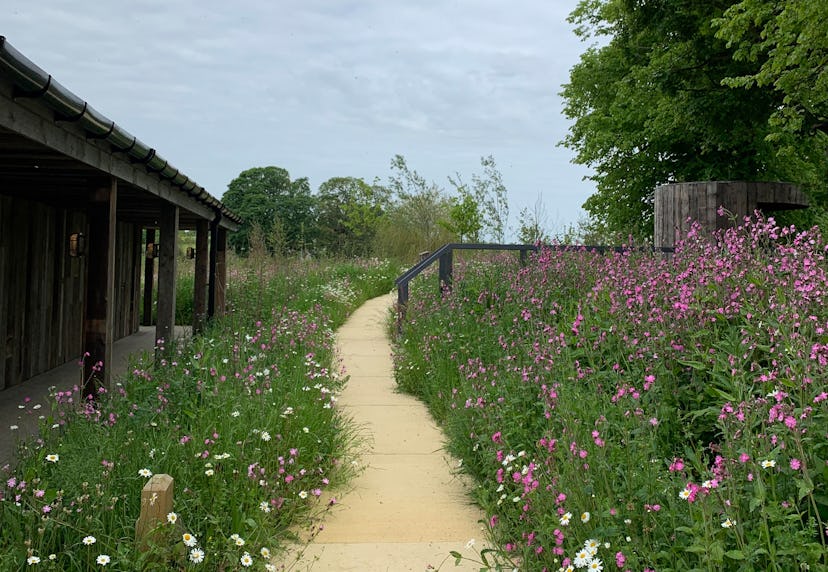
But Helmi’s designs go beyond simply making things look pretty. His spaces are sensory experiences, and they’re carefully crafted with an emphasis on texture, sound, scent, and light: everything people need to feel emotionally safe and at ease. He uses dense and seasonally changing greenery to naturally encourage slower breathing and a sense of reflection. For Helmi, wellness is directly linked to emotional and ecological benefits, including managing microclimates and supporting local wildlife.
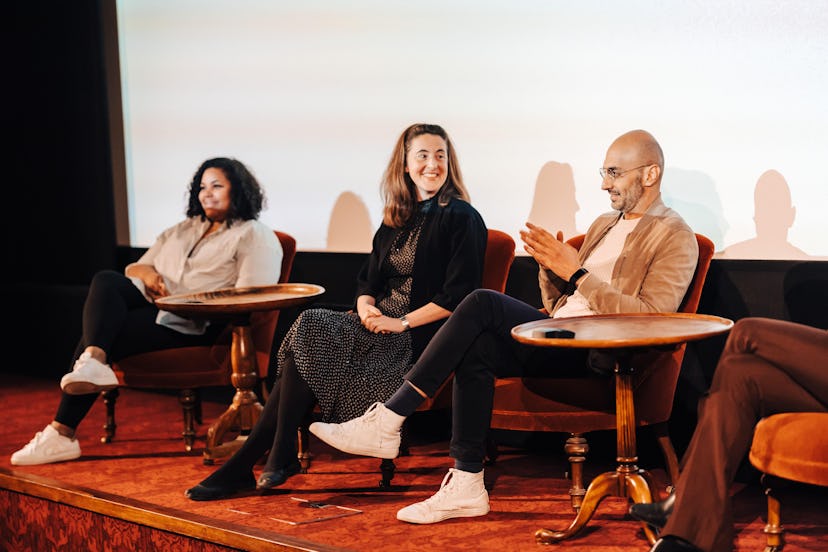
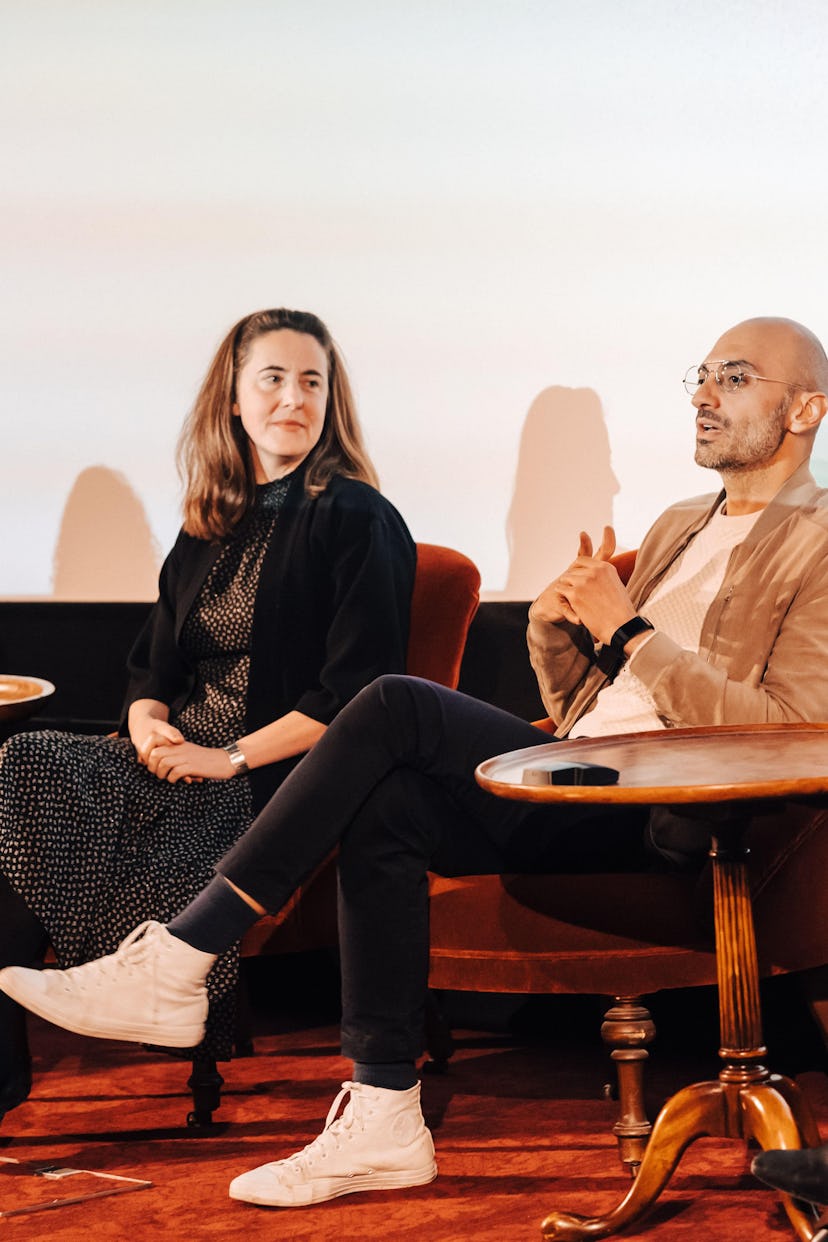
His interests lie in designing for meditation and community events, as well as rewilding forests that can naturally purify the air and regulate temperatures, particularly in overheated cities. Speaking on a panel, he commented, “The mixing of design, science, and nature is still quite new, but it shows a lot of promise for both people and the natural world.”
Focusing On Healing And Community
Even though Helmi’s work is often part of high-end hotels and private estates, his main principles of design can be applied to places like hospitals, care facilities, and public parks, where nature is important for patient recovery and reducing staff burnout. One of his most outstanding projects was designing a Miyawaki forest (a dense, fast-growing native woodland) for a well-known members club and creating a butterfly park in central France, a project that inspired nearby towns to adapt their planting to support native species.

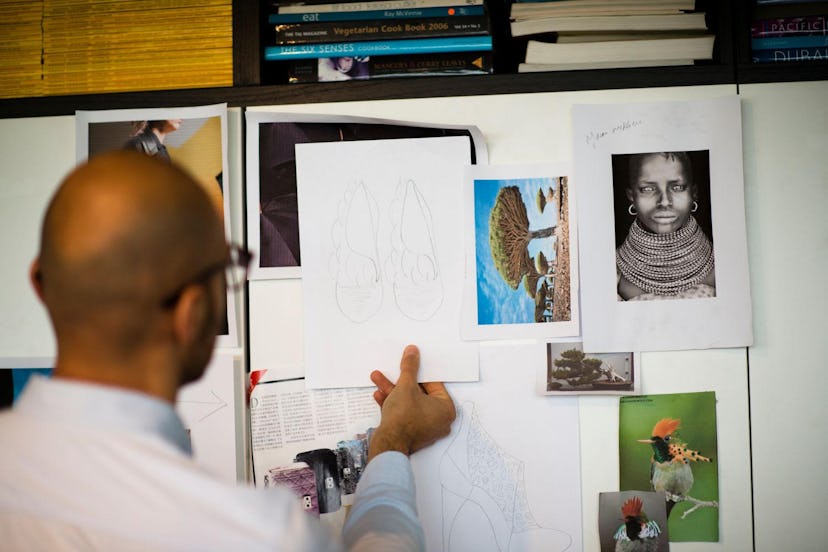
Looking to the future, Helmi is focusing on tackling the challenges of city living and climate change. He wants to shift the common perspective on green spaces and move them from merely an afterthought to a basic part of how people plan their homes and cities. Currently, he is focusing on creating beautiful, fire-resistant landscapes in Los Angeles by using the Japanese concept of Ma, the importance of negative spaces. Ultimately, Mo Helmi’s work is a vital step toward creating more accessible green belts that benefit everyone’s well-being, as well as the health of the environment.
BDG Media newsroom and editorial staff were not involved in the creation of this content.
