Life
mavn Is Putting The “Social” Back In Social Media
mavn founder Olivia Ormos wants influencers to touch grass (and create content).
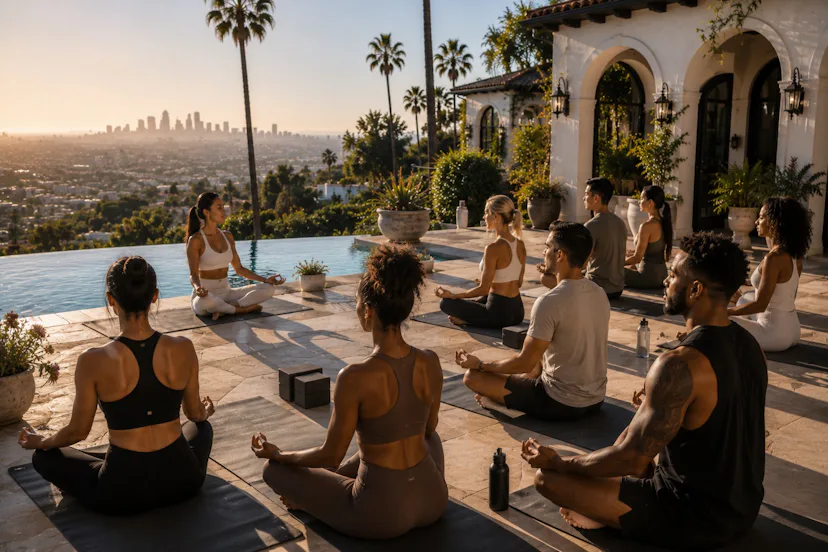
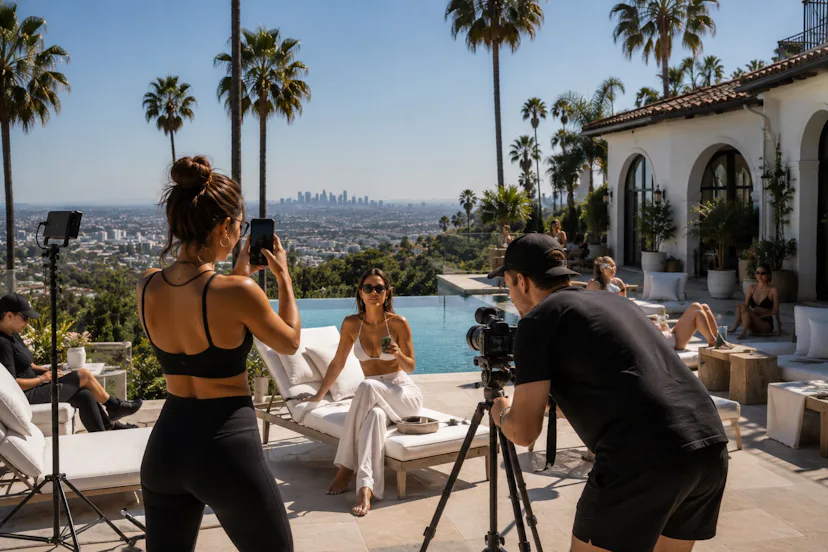
Picture this: It’s a typical Los Angeles morning, a balmy 72 degrees, and you’re squatting, planking, and push-up-ing your way through a Wellness Wednesday workout alongside a sea of equally Lycra-clad creators, internet personalities, and fashion insiders. The playlist is loud, the matcha is ice-cold, and someone’s already in the corner collecting B-roll. After class, you bid adieu with a quick “See you tomorrow,” but this time, it isn’t an empty LA pleasantry. Tomorrow, you’ll all be back in the very same Beverly Hills house for Content Day. Then, you’ll head to an intimate dinner, a panel on creator burnout, and a VMAs watch party, all under one terra-cotta roof.
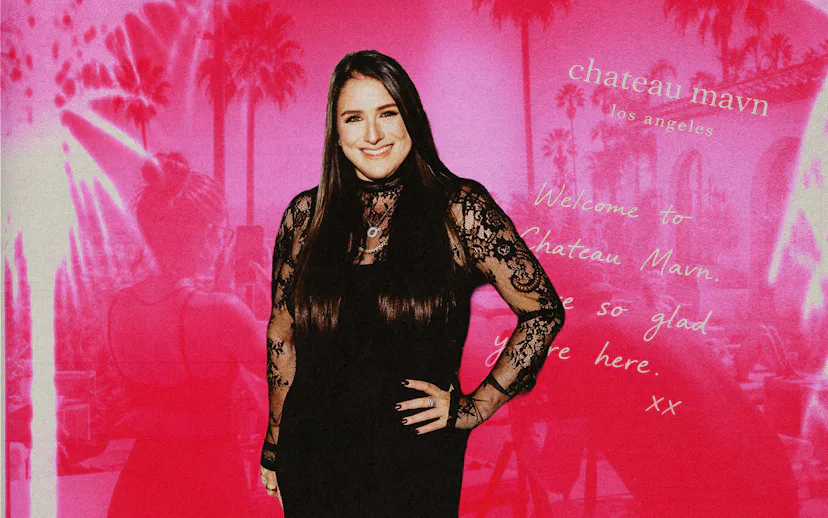
Welcome to Château mavn, a monthlong residency built on a surprisingly simple concept: In an industry that has built itself online, the next frontier just might be logging off and meeting up IRL.
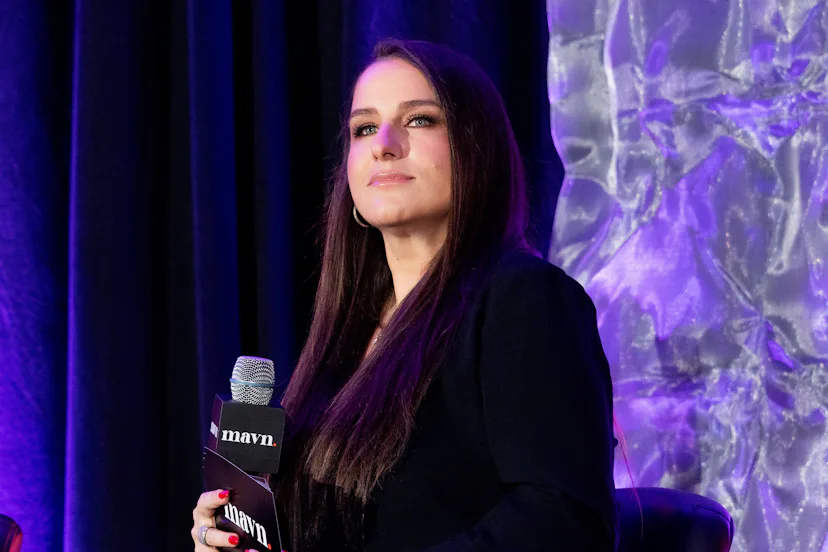
That’s the bet tech entrepreneur Olivia Ormos is making. For more than a decade, the Miami-based founder of influencer marketing platform mavn has had a front-row seat to watching the creator economy mushroom into a billion-dollar industry. Ormos got her start in event production with her first company, OO & Co., where she produced large-scale activations like Model Volleyball before expanding into influencer marketing. At 25, she launched her own agency and has since worked across every aspect of the business: building campaigns for brands, managing creators, and figuring out firsthand what happens when the two worlds collide.
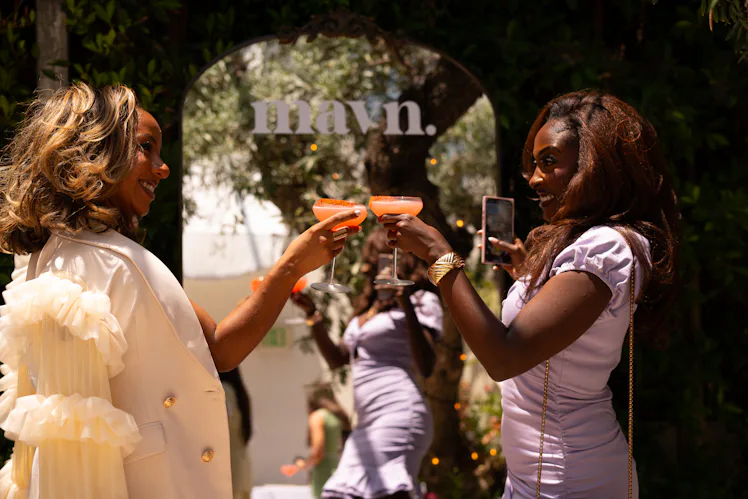
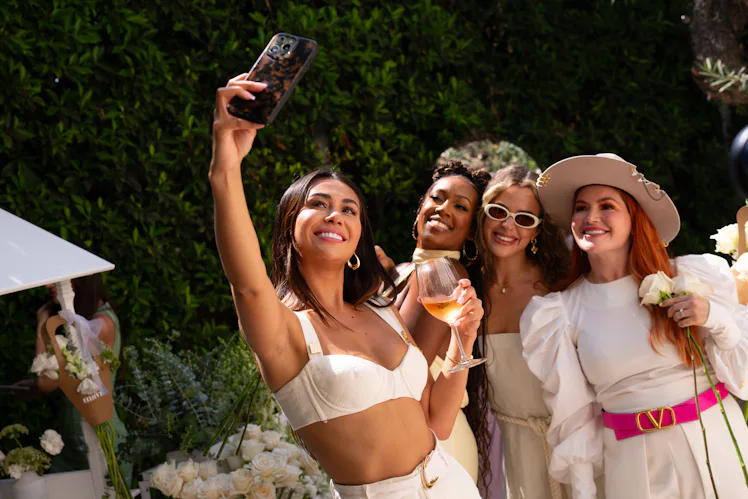
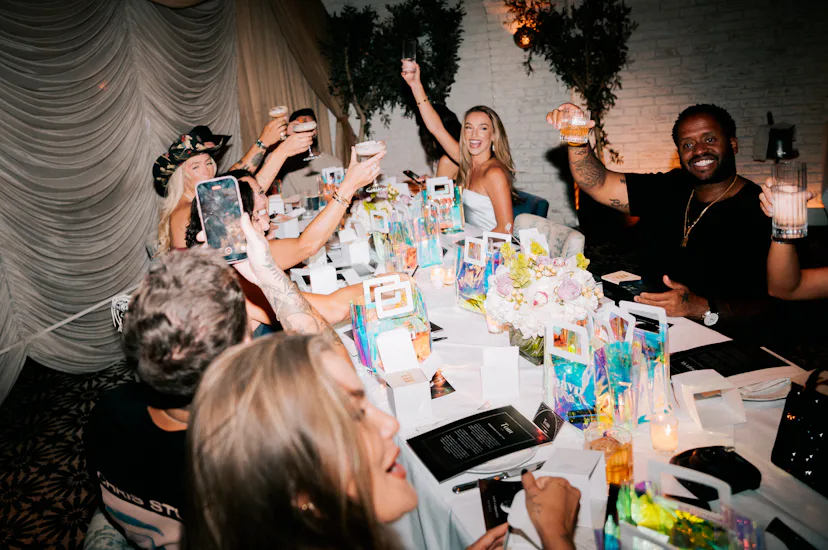
Château mavn, her latest venture, launches Sept. 18 in Beverly Hills as a physical manifestation of everything mavn has been building digitally. For 30 days, the house will host creator content days, intimate dinners, founder conversations, Wellness Wednesdays powered by Saint James Iced Tea, a dedicated Content Day hosted by the Coffee Bean, mental health programming, and bespoke activations designed to connect creators and brands over coffee and cocktails rather than cold DMs and comment sections.
The monthlong residency is the natural next step in the evolution of mavn, which was born after live events disappeared in 2020. Ormos leaned into the digital side of her work and quickly realized the influencer marketing process was still far too manual. “I tried a lot of platforms and realized everything was super janky,” she says. “It felt like there was still manual work, even though I was using something else.”
So rather than patching together spreadsheets, DMs, Dropbox folders, contracts, approvals, and payment trackers, she decided to build the platform she wished already existed: a tool to waste less time managing the process and more time building partnerships that lead to great content. The result was mavn, an AI-powered app designed to help brands manage every stage of an influencer campaign.
More than 11,000 creators have applied, with only about 2,000 having made the cut so far. The selectiveness is intentional: Instead of running the biggest creator database possible, Ormos wants to build a community where every member is thoughtfully vetted for credibility, creativity, and audience trust.
“I wanted mavn to be real people,” she says, adding that she views it as a tool for creators rather than a replacement. “I wanted to bring the creators to the brands instead of the brands constantly chasing and DMing creators.”
That intentionality also informs how mavn builds partnerships. Rather than forcing creators into rigid brand scripts, Ormos believes the best campaigns come from trusting the people companies chose to work with. “Don’t pressure the creator to read a script,” she advises member brands. “None of that will do well.” Instead, they are encouraged to find influencers whose voices already align with their goals and let them create naturally.
mavn’s approach is a notable distinction at a time when the creator economy feels increasingly optimized for speed — and that’s the point.
“It’s not about how many creators we’ve ever had,” she says. “It’s about maintaining a community of people who are really ready to work.”
