Entertainment
How David Lynch, Prada Runways & Heath Ledger Shaped Tove Styrke’s New Album
The Swedish electro-pop star strips it all away on her fifth LP, I Thought This Story Wasn’t About Me.
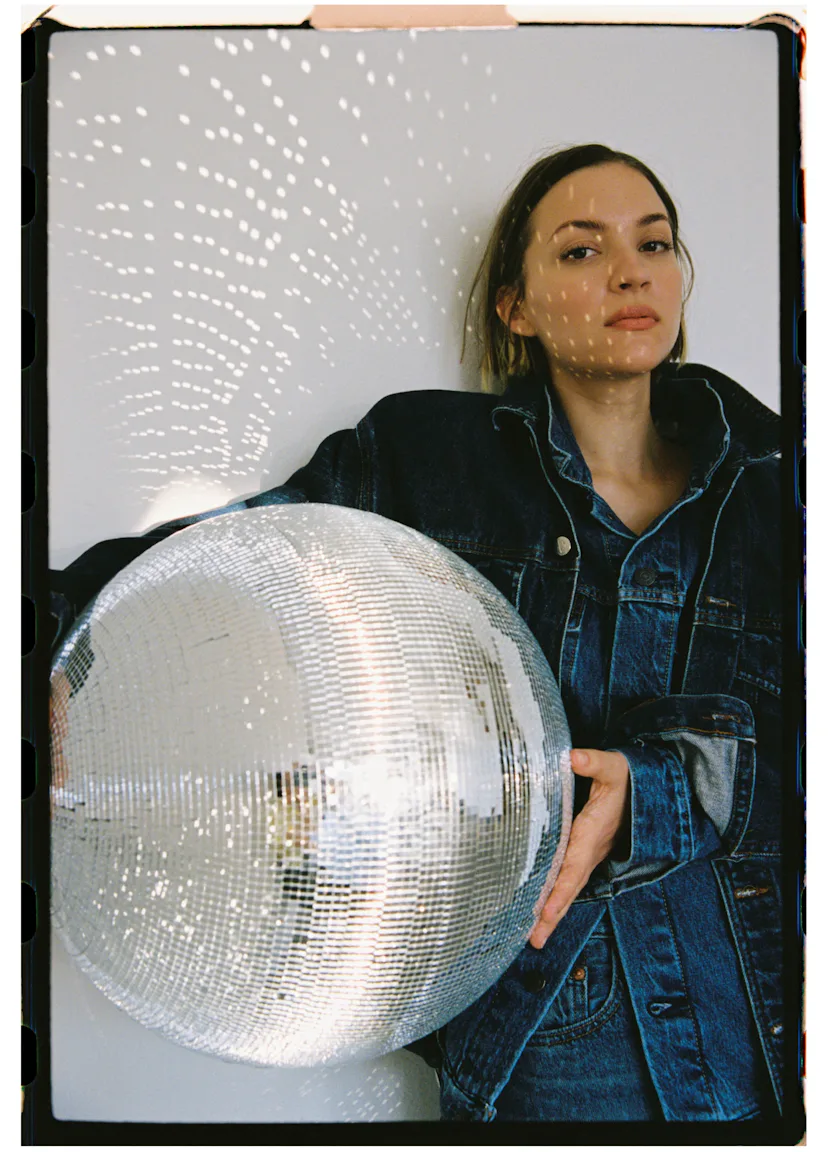
Tove Styrke was ugly-crying, and she wanted the world to see. In May, the Swedish singer-songwriter posted a TikTok of herself sitting in her car, her cheeks flushed and glistening with tears. She wanted to preview a song from her new album, I Thought This Story Wasn’t About Me, but broke down as she tried to softly sing along. In the captions, she confessed to struggling with the looming judgment of streaming numbers, chart positions, and ticket sales. Could those metrics really determine the value of what felt like her life’s work? “The way things are right now, the pace at which we consume music and art, makes me question if there’s any space for it to even be heard,” she wrote.
Styrke laughs about the video now, fondly referring to her “menty b” as we chat over Zoom a few days before the album’s release. It’s a Friday night in Stockholm, and she’s got a glass of wine in hand. “I’m really trying to make the gap between my inner world and how people perceive me smaller,” she says. “Throughout my life, that gap has sometimes been quite big, because I’m so scared of being completely honest with who I am. It’s so much safer to have your guard up and keep a distance from the work that I do, the music I put out.”
Not that her past work is impersonal. In fact, albums like 2015’s Kiddo, 2018’s Sway, and 2022’s Hard felt distinctly hers. Styrke’s intricate electro-pop was playful and cerebral at the same time, full of surprising production quirks and confident lyrics that scratched at big ideas about the world. Even coming from a country known for high-quality pop exports, it was a unique perch — one that earned her both critical acclaim and tour slots opening for Bleachers, Lorde, and Marina.
I Thought This Story Wasn’t About Me (out today), however, strips everything back: the candy-coated gloss, the familiar song structures and insistent hooks, any lingering trappings of what a “pop star” should be making. Largely recorded live on analog synths, the album is half indie-rock swan dive, half imaginary film score. “I was on a mission to not invite any logic or reason or judgment or fear or anything into the process,” she says. “I just wanted a safe space where there were no limits, to really create like a child. Don’t judge it, just go for it. Pick up whatever the universe is throwing at you. It was so fun, and it was so easy.”
Styrke, 33, arrived at that mindset after a transformative few years. Feeling burned-out from her last album cycle, she channeled her energies into new pursuits, starring in a Stockholm production of the David Bowie musical Lazarus and studying to become a biodynamic gardener. She also became a mother, welcoming a daughter with her partner, fellow musician Sanna Sikborn Erixon. (The pair also share a political rock band, Året Var.) By 2024, between Styrke’s creative side quests and her radically new home life, ideas were pouring out into her notebook.
Originally, Styrke envisioned a character-driven concept album. Through the loose metaphor of an all-night after-party, she’d tell a story about aching for connection in a crumbling world. But, true to the album title, Styrke’s newly intuitive approach meant her songs just needed time to reveal their true meanings. She couldn’t tell you what she wrote the album standout “Sunflower” about in the moment, but when she played it to her partner weeks later, Erixon grasped it immediately: “‘That’s so beautiful, you wrote a song for our daughter.’” On Zoom, Styrke recalls this with a stunned, blinking expression. “I was like, ‘That’s nuts.’ It’s so specific — it really talks about that. And it was just there.”
Revealing yourself to your audience, it turns out, means having to stare at the mirror, too. “It’s been so overwhelming to me,” she says, almost in disbelief. “It’s like this whole thing is me trying to accept myself and be able to look at myself and be fine with myself.” She breaks into a laugh: “And it’s hard work!”
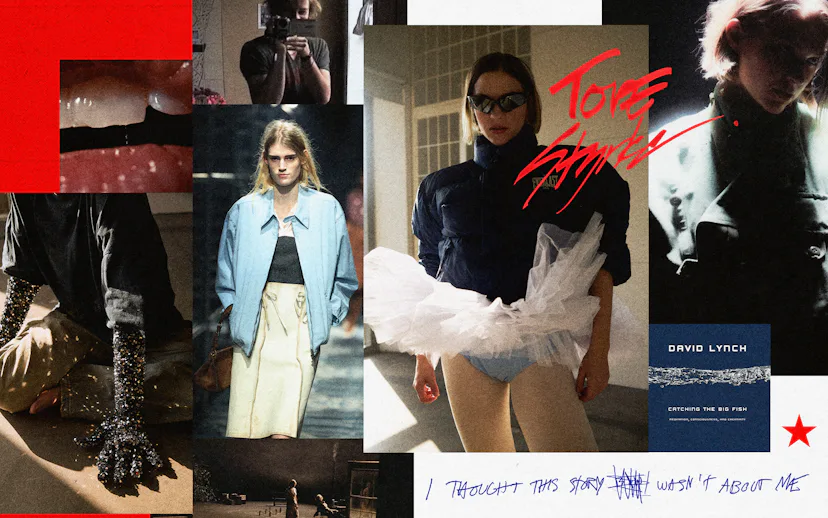
Below, Styrke unpacks the mood-board references that defined the album, the essential texts that shape her creative process, and how to stay inspired — even when it feels like the world is telling you not to bother.
“The Dawn of Endcore” by Shuman Basar
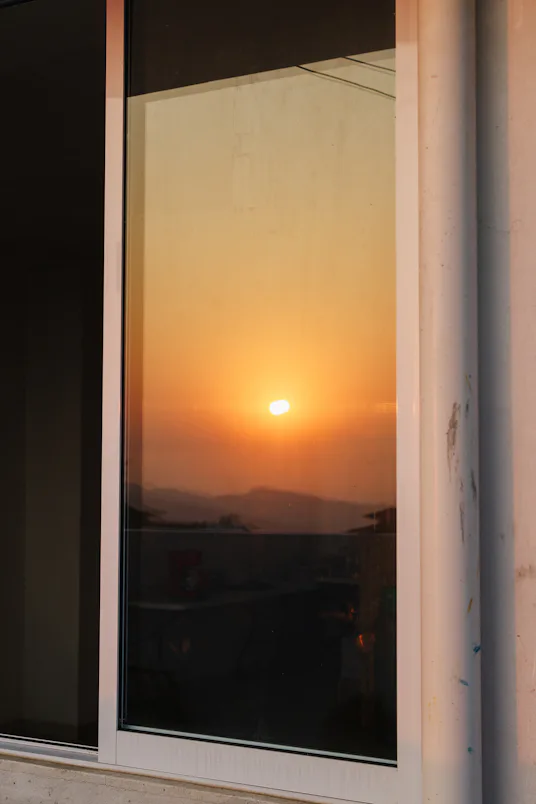
When I was writing this album, all of my notes were in one black notebook. The first page in that book has a lot of quotes from this essay. It put into words so much of how I feel about this time, this uneasiness. There’s a collective feeling that we’re moving toward this inevitable end. And that’s why I chose to tell a story that plays out from sundown till dawn, with dawn being this inescapable ending or rebirth — the sun crashing in on you again.
There’s something about this time that’s making my drive to create things almost acute. It’s a feeling of We don’t know how long we’re going to be here, so everything has to come to the surface now. It’s been ages since I talked to anyone who had writer’s block. I feel like a lot of people are creating very good stuff now, and a lot of stuff. Maybe it’s also that feeling of Nothing matters anyway, so I might as well. Every time you feel like there’s a voice of reason telling you not to do something, f*ck that voice and do it anyway.
Catching the Big Fish by David Lynch
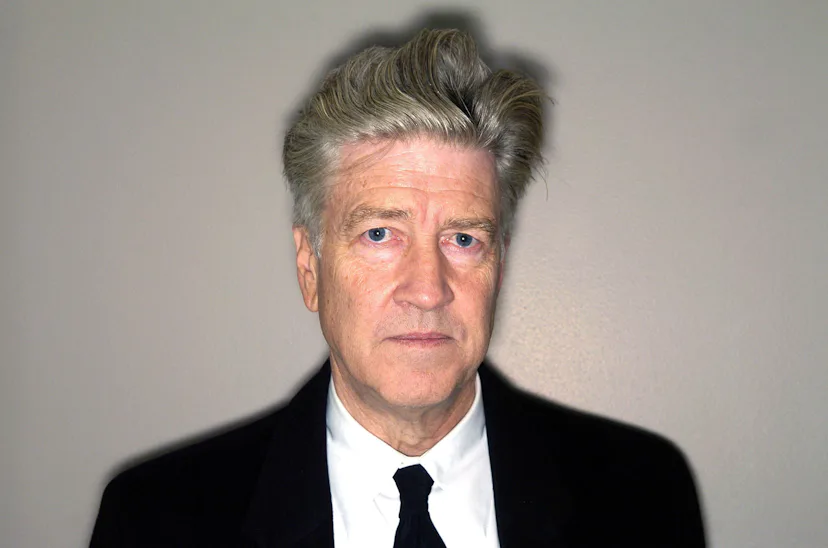
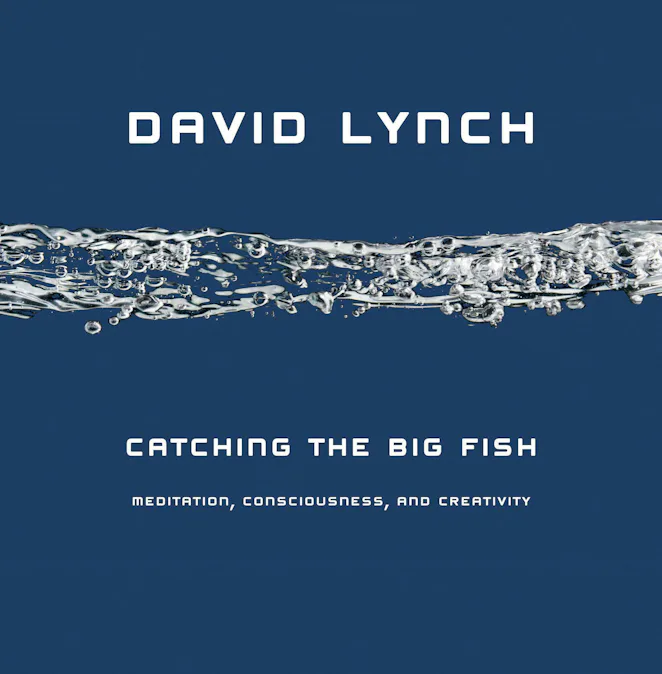
His words echo through me in every interview I do — they’ve already done that for the past 10 minutes. When he passed, like many people, I ended up watching a lot of interviews with him. The way that he talks about creativity rings so true to me. You have to be guided by your intuition: You don’t come up with an idea, you’re just there to fish it out of the ocean. So the best way to come up with good ideas is to be in your head a lot and meditate. Give yourself a lot of time to look and feel and think and dream and fantasize, be in your head like you did when you were a child. It’s freeing to come back to that original openness. There’s so much chatter going on that comes from the outside — meditation removes all the noise.
Lars von Trier’s Dogville
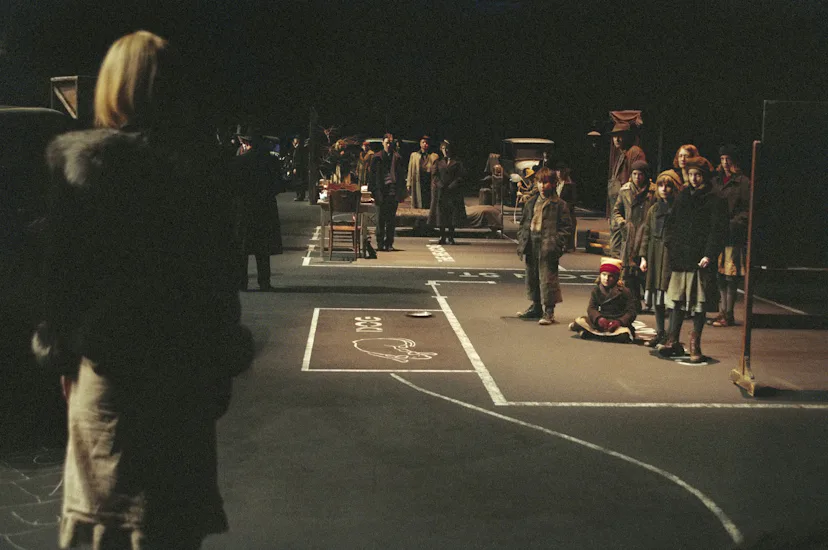
I was obsessed with that movie before I even saw it, just because of the method. The entire thing plays out on a theater set. This town, Dogville, is nothing more than white lines on the floor marking where the different buildings are. People pretend to open doors and close them. They’ve stripped away everything that lets you be swept up in a fantasy. It’s not trying to deceive the audience in any way. It’s a very honest form of storytelling.
I know sh*t about [playwright Bertolt] Brecht — any theater person would laugh at me if they heard me talking about this — but from what I understand, he’s the originator of stripping it back. With that kind of theater, people are supposed to engage. They’re supposed to think, not just sit back and dream. There’s something interesting about removing some things you’d expect in a situation, in a movie, for instance, to give the viewer room to decide for themselves.
I usually find a demo way more inspiring than a perfectly produced finished song. With a demo, there’s so much room to fill in the blanks. Not everything is spelled out, and I love that. The story [of this album] is like a movie in my head, and the album is a score for that movie. I wanted the album to be suggestive enough to trigger imagery in your own head but leave enough space for you to really make it your own — to create your own movie.
Heath Ledger’s home videos
One of the ways I tried to keep the storytelling open is by keeping all the visuals very documentary in style. It’s just me and my friend and creative collaborator, Natalie Olenheim, running around and shooting things on the go. It’s very spur-of-the-moment in a way that feels honest.
Natalie was the one who showed me Heath Ledger’s home videos. They’re on YouTube, and they’re just so magical. He filmed himself a lot. The videos are so casual — it’s such a familiar way to see a person. But emotionally you feel very close to the person doing that. It’s so direct, versus somebody else shooting you, where there can be so much distance.
Imagine holding a camera and choosing to film yourself — that’s such a vulnerable act. It’s like, “I want you to see me. I want somebody to see this. I want you to remember me. I want to be important.” We all have it to some extent, this wanting to live forever. Like a public bathroom full of graffiti on the walls — who are you leaving it for? And it’s such a silly thing because in the big scheme of things, none of us matter. But I think it’s an endearing thing that we all do.
Prada “depression hair”
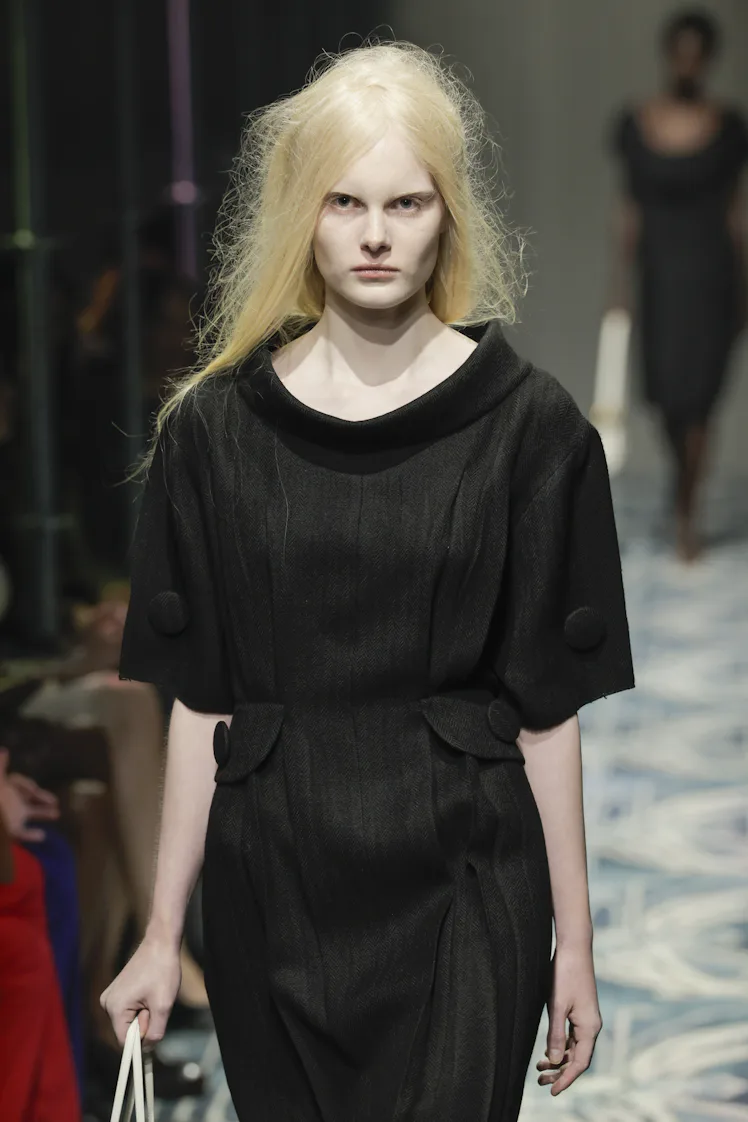
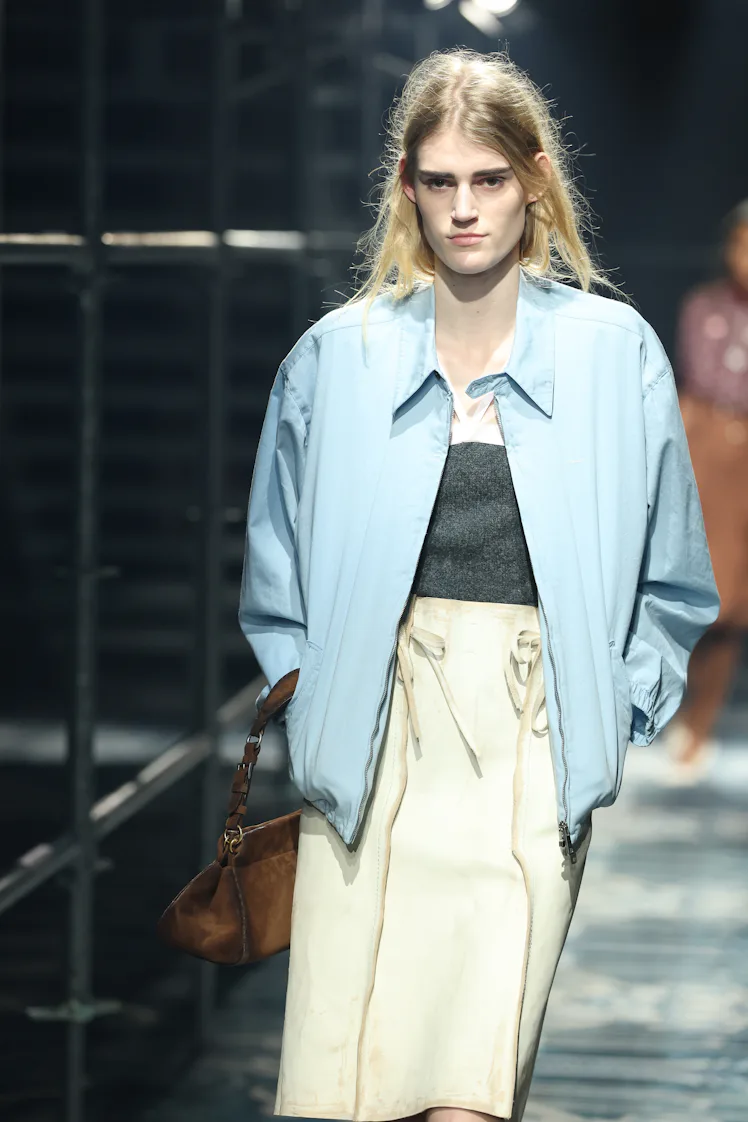
Before I realized that this story was about me, I thought I was writing about this character, and I started imagining what she was going to look like. How could I symbolize the time we’re living in? So I decided to have her ends bleached and weirdly chopped off because the bleached parts, those are the remnants of a time when things were still fun, when you still cared enough to do your hair. And then time has gone by, you started cutting your hair on your own, and it looks like sh*t. I always used to do that: Whenever I felt the worst, I would always cut my own hair because that was a way to feel like you’re in control.
Analog synthesizers
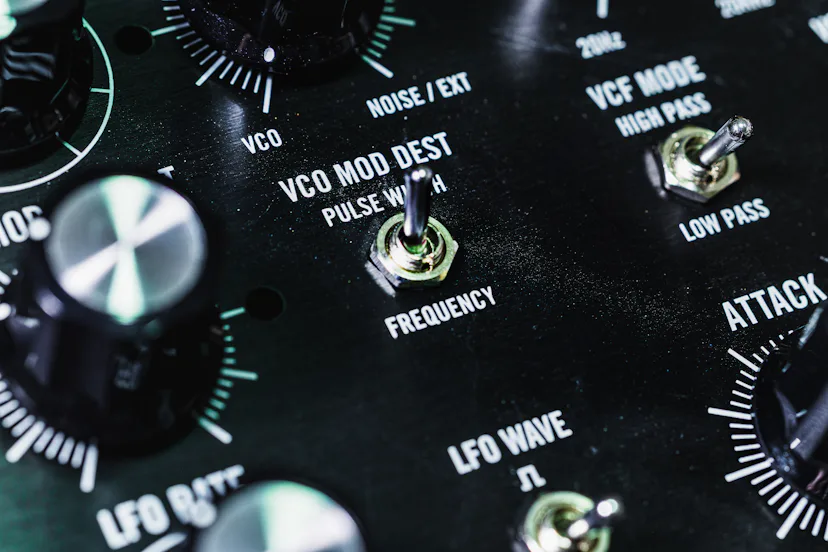
Magnus [Larsson, my coproducer] and I were listening to the exact same things. I had this playlist I’d been listening to that was all this classic electronic music I really loved — Air, Boards of Canada, LCD Soundsystem — with little pieces of pop songs, like a Chappell Roan or a Christine and the Queens in between. Our mood was perfectly matched. So we just started making little landscapes, little soundscapes.
Quite quickly, we decided we weren’t going to use any samples. That felt like a fun challenge, and a way to make the creative process easier by eliminating choice, really. We ended up doing everything on these three or four analog synths from the ’70s and ’80s. It’s easy to get lost in editing things to perfection. There are so many imperfections on this album, and I love it. You feel like there’s a real person there. And that’s what speaks to people, more than a perfect vocal delivery. I think in the time of AI, anything that sounds like it couldn’t have been made by AI, that can’t be replicated in that way, feels really precious now.
Biodynamic gardening
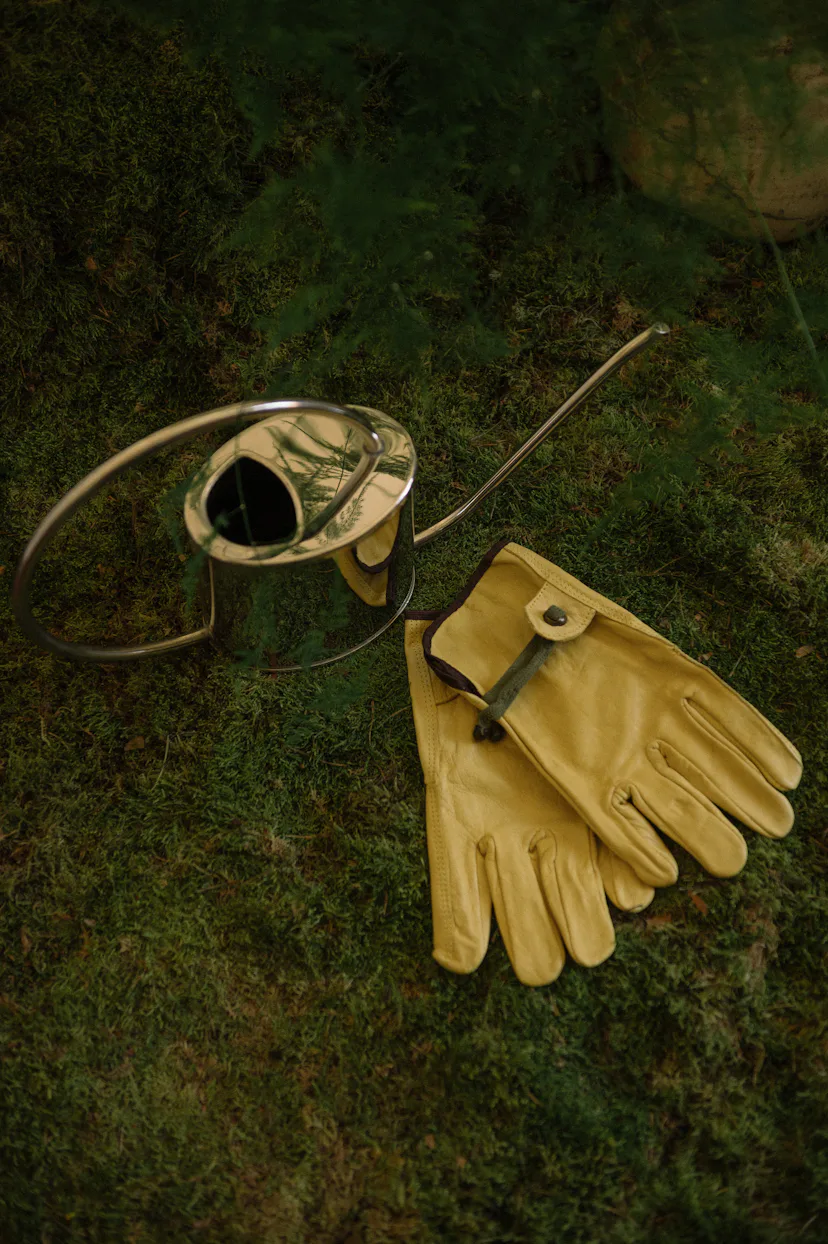
Reconnecting with nature has informed this music in a lot of ways. I’m a curious person, a f*ck-around-and-find-out kind of person. That’s a good quality to have — in gardening, and in art. You have to be fearless enough to just try things. There are a lot of books on how to do things correctly, but no place is exactly like the place where you are growing things. So you have to f*ck around and find out for yourself what works there.
Joni Mitchell compares artistry and creativity to crop rotation. You can’t grow the same thing in the same place two years in a row. You have to change to keep the soil healthy and the crops good. It’s the same thing with creativity. It’s a different part of your brain when you paint a picture, when you write a poem, and when you’re playing an instrument. After doing one for a while, that part of the brain gets tired, and you need to rest. If you don’t feel like doing it, that part of your brain is burned-out. And instead of just stepping off completely, it’s healthy to move on and do something different.
Maybe you’re going to hate the idea or feel stupid — whatever. But that could be the thing that leads you to the perfect thing later. Creativity gives birth to more creativity. That’s key: You have to just try and see what happens.