Fashion
Scott Woodward On The Evolution Of Authentic Brand Marketing
An industry veteran reflects on how restraint, trust and emotional connection continue to shape effective brand storytelling.
Why the 1990s Still Influence Brand Marketing
If you’re paying attention to brands today, you will notice the 90s are back again — clothing, food, tech, and entertainment. Brands may be revisiting the decade because authenticity and nostalgia can help create an emotional connection. As millennials revisit the decade and Gen Z draws inspiration from its style, the 1990s may offer brands a point of connection across age groups. The 1990s didn’t announce themselves, and they didn’t need to. The work of that decade carried an impactful confidence that made explanation unnecessary, and marketers assumed its consumers (or “fans” as some now say) were fluent enough to keep up without subtitles.
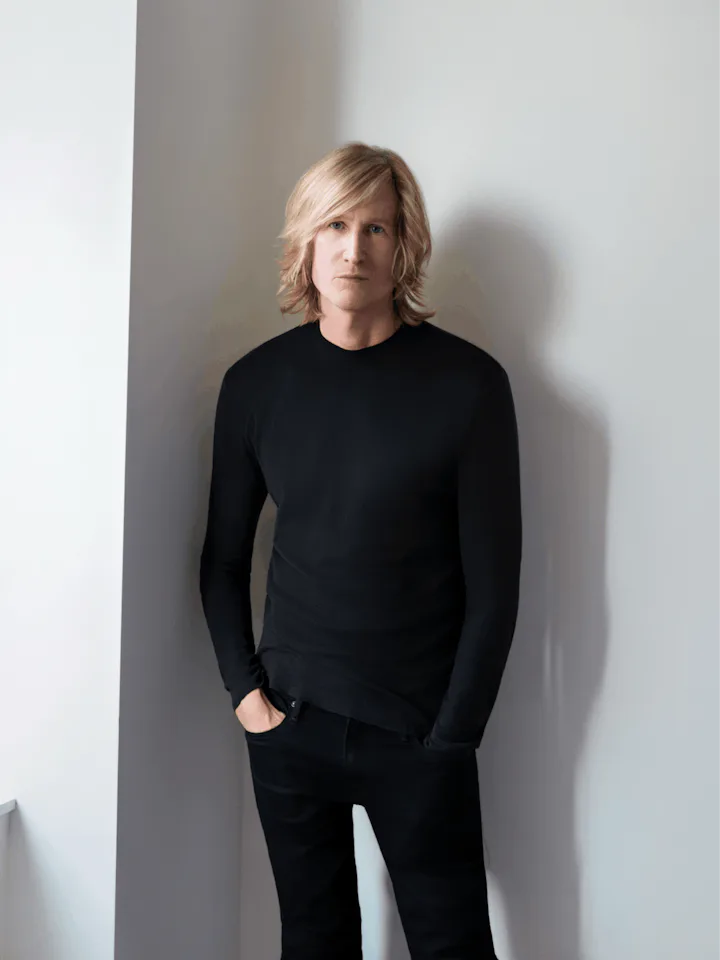
Scott Woodward is an industry veteran whose career included significant work throughout the 1990s, shaping campaigns in traditional agency environments that continue to inform his approach to brands today. He came up through the ranks as an analyst-turned-product marketer-turned-creative, where consumer insights inform how marketers shape global household names. In the delicate balance of strategy, emotion and trust, he says “the 90s weren’t cooler because people tried harder; they were cooler because brands trusted the audience to understand simple, beautiful, authentic messages.”
Building Campaigns Around Restraint And Recognition
One of Woodward’s early roles involved working with a well-known eyewear company. He helped develop a more consistent international image through fashion advertising, film integration, and a store opening connected to a major sporting event. “Sunglasses act as a powerful social filter and emotional armor, allowing individuals to control their environment and persona, creating an aura of mystery and how we engage with the world.”
A cinema integration continued the brand’s big-screen legacy, with the moviegoer and the on-screen star wearing the same style, but this time around it created a brand movie-trailer combo: an ad slot with a costume cue. On the faces of two agents in matching suits, the frames felt less like a placement and more like part of the uniform. The frames belonged to the costume, which belonged to the story, which belonged to the viewer. The collaboration was designed to feel integrated into the story rather than interrupt it, and it reportedly contributed to greater visibility and sales.

How Minimalism Shaped Fashion And Luxury Marketing
Fashion was exploring a similar sense of restraint, relying less on narrative and more on visual simplicity. The approach reflected the era’s interest in minimalism and understated design. The black-and-white images balanced a sense of familiarity with a polished, distinctive visual style. The composition left space inside itself, and the reader finished the thought. The more naked, clean, simple, and architectural, the better in inviting imagination and interpretation. Woodward later brought the campaign’s polished visual style to international retail launches, including locations in Tel Aviv and New York.

Luxury was often implied through composition and silence rather than declared, and the same instinct shaped the watch world, so Woodward took his sunglasses and fashion house experience to the staid watch industry, with most till then shilling timepieces in boring product shots on a white background. He later applied a more unconventional visual approach to watch advertising, using minimalist imagery and the idea that time itself could represent luxury. The campaign reflected a departure from the product-focused style common in the industry at the time.

The 90s brands stood on the mountaintops without ever asking to. They live in the DNA of memory because the handshake between product and audience was felt before anyone explained it. Work could breathe with the consumer able to conclude the meaning in their own time, without the brand narrating it and without multiple social channels fighting it.

In the current era, where trends die fast and the market gets louder every day, brands compete harder for attention. Algorithms and consumer trust may shift over time, while nostalgia can remain a familiar point of connection. Its appeal often comes from comfort, recognition and shared cultural references, which may influence how audiences respond to a brand. He founded SEW Branded, his own brand marketing consultancy in New York city.
BDG Media newsroom and editorial staff were not involved in the creation of this content.
