NYLON Field Notes
The New Cool Looks A Lot Like Trying
We’re in a post-effortless era.
NYLON Field Notes is our recurring series decoding the trends, aesthetics, and conversations shaping the zeitgeist. For the debut column, we take on the comeback of ambition and why caring is cool again.
Traditionally, the unofficial advice for it-girldom has been simple: have perfectly coiffed hair, dress with seemingly instinctive style, and above all else, don’t try too hard — or at least act like it. The only problem, of course, being that everyone who has ever actually “made it” has cared a lot.
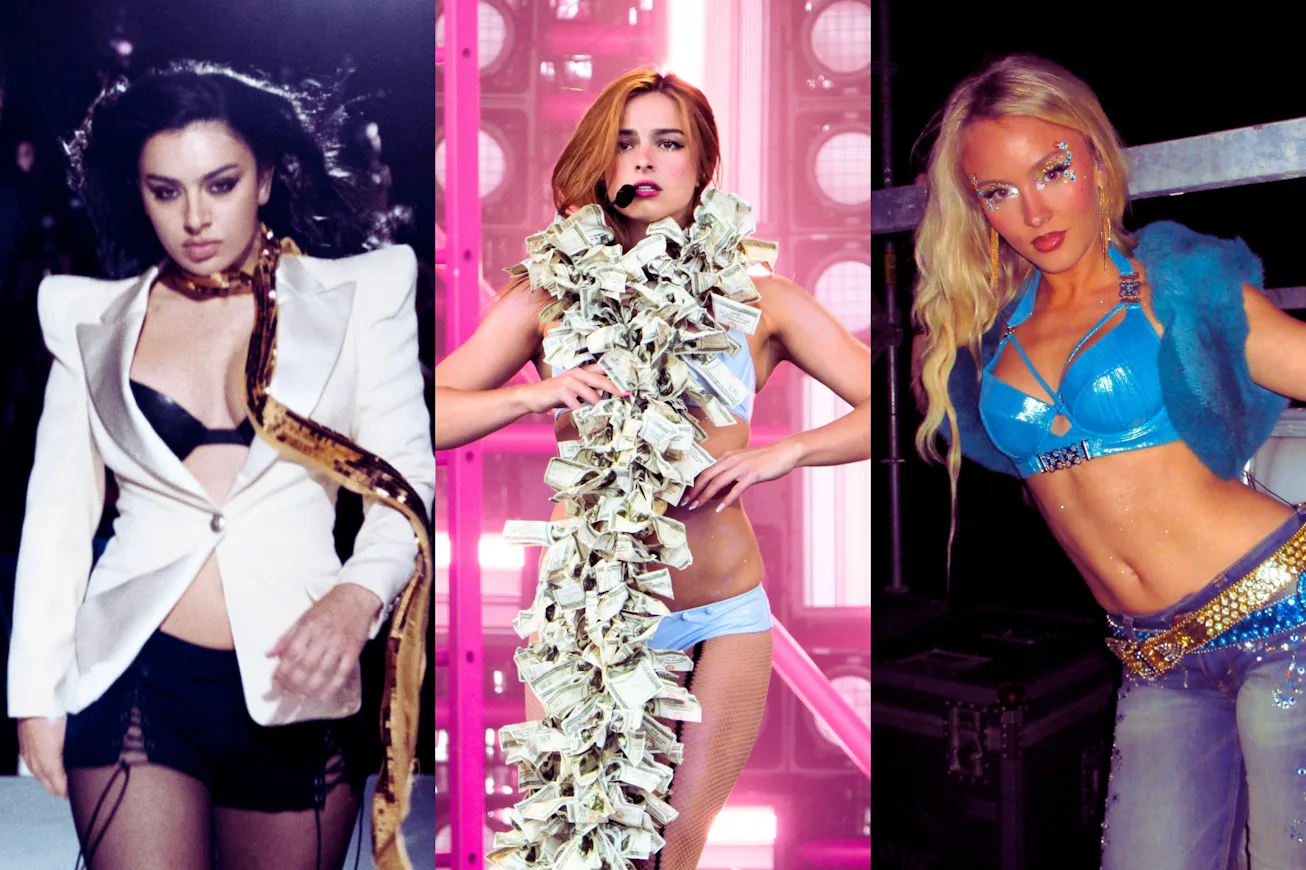
On a recent episode of Nicky at Night, Charli XCX reflected on the fear of being seen trying — a reality she’s had to navigate throughout her career, from underground pop provocateur to global superstar and most recently, actor. “People are really afraid to be seen trying,” she said. “Let people live! And try! Why are we judging people for trying new things? God, it’s so boring to me.” Her words capture a cultural shift where the work behind the work has become what fans value the most.
The Internet has always loved a success story, but the messy middle was often condensed into a charming origin anecdote. Now, it wants evidence of the effort behind it. Case in point: Addison Rae.
Before transitioning into popstar “Goddison” life, sharing stages with “Madonnaaaa!”, and headlining festivals with a critically acclaimed album, Rae was simply a bubbly blond from Louisiana with a thousand-watt smile, a tripod, and a dream. Having garnered millions of followers — and even more millions of likes — by posting viral choreography to songs like “Renegade” and “WAP,” Rae built her career in full view of the World Wide Web. Her every ambitious pivot was documented in real time, making her rise impossible to separate from the process of getting there.
So when Rae clapped back at critics who accused her of “trying too hard,” viewers latched on. During an appearance on Quenlin Blackwell’s Feeding Starving Celebrities, Rae delivered instant Internet canon: “How about you try at all? We can tell you’re not.”
For years, pop culture romanticized the finished product. The cool girl wasn’t supposed to fuss over the perfect half-tuck for an hour; she just happened to look effortlessly chic. The artist wasn't supposed to labor over lyrics; they simply wrote their Top 100 hit in 20 minutes on the back of a napkin. Success looked best when it appeared to happen naturally but now, the process itself has become the product.
Music videos are no longer three-and-a-half minute stand alone features; they come with behind-the-scenes documentaries of fittings, set builds, and muddy moments before the camera starts rolling. Brands reveal detailed mood boards and painstaking behind-the-scenes decisions on public “finstas.” Musicians are increasingly making their ambition part of the story itself, like Zara Larsson’s candid TikToks about chasing success for years to releasing a song literally titled “The Ambition.” Livestreaming platforms like Twitch have built entire ecosystems around watching people create in real time, turning the once-private process of practice and experimentation into entertainment.
For artists without inherited visibility or an automatic foot in the door, documenting the process has become almost a prerequisite. The early videos, bedroom recordings, first fashion experiments, and years of posting before anyone was paying attention are no longer just evidence of where someone came from — they’re part of how audiences decide to believe in them. Artists like Doechii, Troye Sivan and Chappell Roan have audiences that can trace their evolution through years of digital breadcrumbs. Their early work isn’t an embarrassing archive anymore but an essential part of the mythology and proof that they cared before the world did.
Empaths, rejoice: Caring is cool again! The era of the carefully detached cool girl is giving way to something more earnest: a culture that values personality over polish. The rise of the “weird girl” aesthetic in all of its art-teacher glory, the return of maximalism across fashion, and the Internet’s newfound obsession with personal “lore” all point toward the same cultural shift away from irony and toward, well, genuine enthusiasm (imagine that!). Nowadays, the desire to be seen, make art, and become someone is not cringe — it’s quite literally the whole point.
