Fashion
3 Women Designers Give Their Unfiltered Takes On The Great Female-Designer Debate
“Hey, where the f*ck is the fashion for us?”
The great creative-director reshuffle at major fashion houses in 2025 resulted in what was considered a clean slate for Spring 2026. But, for as many moments of pure joy were expressed on the runway — Awar Odhiang’s joyous twirl at the Chanel finale, Dario Vitale’s one-and-done ‘80s romp at Versace — there were also moments that garnered backlash from press and armchair critics alike. The face-shielding, mouth-opening fashions at male-designer-led houses had one journalist up in arms about how women’s bodies are still being objectified in conceptual ways at Paris and Milan shows. In addition, every assignment of a male creative director to a high-ranking womenswear design position had the fashion-world peanut gallery questioning why it wasn’t a woman. Fashion at large is grappling with what being a female designer means today, and if it still matters to see women at top positions in the industry.
For Cynthia Merhej, designer of her independent label Renaissance Renaissance, the recent season was a wake-up call for her expectations in the industry. “Fashion is a commercial art and it's going to respond to the market and what's going on. Whatever was considered progress in the last decade was maybe just lip service or surface-level.” The market, as it were, is generally leaning more conservative in reaction to not only the White House and global powers of conservatism, but the way people are buying less. This also means putting fewer women in positions of power, and although there are women in top design roles, Merhej smartly points out that “it's equally as disconnected when you are in that universe, operating with billions and billions of dollars. You're probably living a very different lifestyle not really connected to reality.”
Bailey Hunter started her brand, Tigra Tigra, after extensive research in India on traditional textiles and doubling down on a commitment to preserving the uniqueness of handmade fabrics. “There's more of an honesty and self-awareness when you're designing for yourself,” Bailey Hunter tells NYLON. “There's an element of fantasy to my work, but also it is pragmatic and realistic on things me and people I know would want to wear.” Her whimsical, layered designs do not invite casual viewing, and she places faith in her customer to approach fashion as something to be collected and treasured, not used one season and thrown out the next. Designing for herself and her clan is intentional, just like every stripe of beaded fringe and every stitch of hand-applied embroidery.


Male designers offer strong silhouettes, sure, and can learn through fashion techniques how to fit a woman’s body, but if the casting and commercial pieces on the rack don’t align with what comes down the runway, what’s the point? Jane Wade is a New York-based fashion designer who walks the walk and talks the talk when it comes to translating her strong runway shows to the merchandise that ends up at retailers like Bergdorf Goodman. “As a designer, I want people to see themselves in my commercial pieces. I want people to be like, ‘Oh, I don't have a six-pack, but I could wear that.’” Her take on the more divisive shows of the season, where models’ arms were tucked into dresses and placed in bodysuits printed with male genitalia? “It's supposed to make us think and talk about it, but in what part of that context is it elevating us? In what part of that context is it pushing the narrative into a positive direction?”


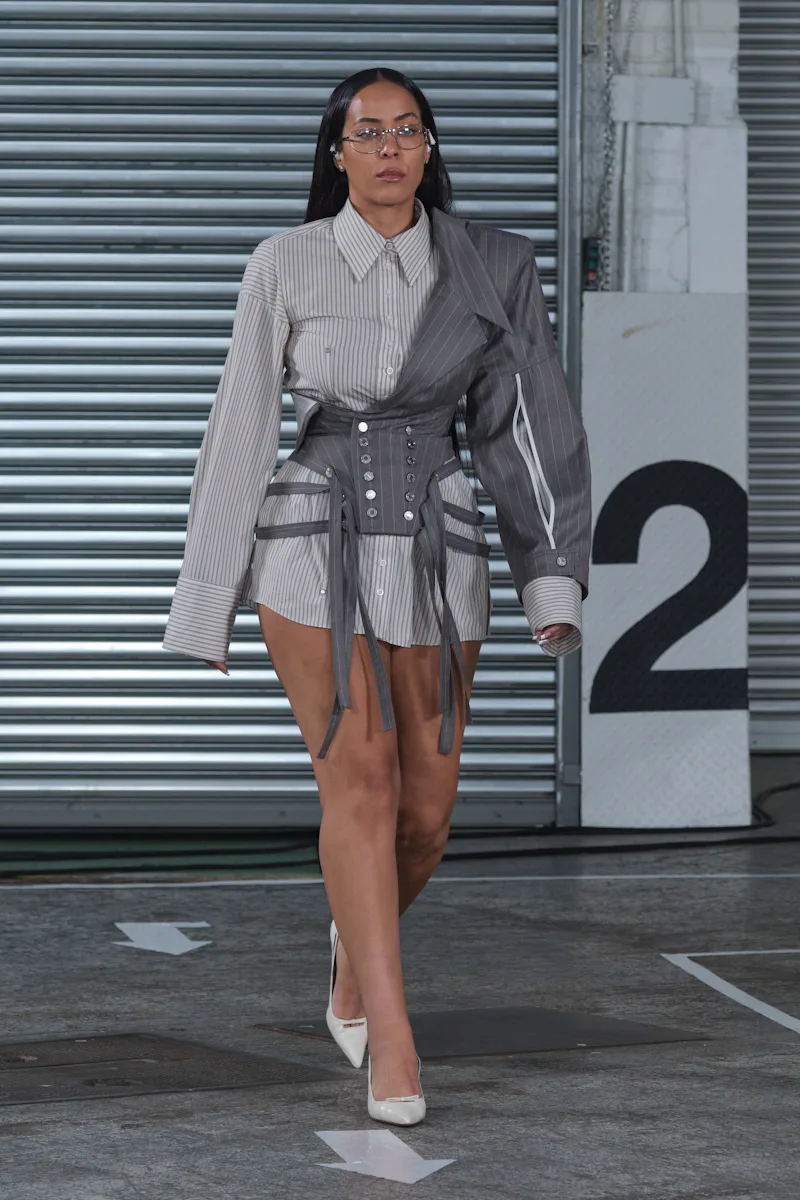
The battlefield of women’s bodies is especially poignant with the retraction of reproductive rights and transgender health care across America, and ignoring the global climate is often a privilege left for designers in top positions working for multi-billion-dollar companies. But just because bodies are under attack doesn’t mean provocative clothing is going anywhere — at least not for Wade. “For me, it's about showing the right place of skin at the right time. Sometimes more coverage can feel sexier and more empowering. I think Louise [Trotter of Bottega Veneta] did the best of anybody this season. Those dresses that were completely covered all the way up to the neck, and then from the back, they're tied around. It shows a woman's lens on what beauty and femininity means. It's so much coverage, so much texture, but it's so powerful in the color and feel.”


The feminine feel is what generally is missing from clothes coming from men (generally being the operative word), but in a sea of ho-hum appointments, Merhej found hope in one in particular. “When we saw Grace Wales Bonner appointed at Hermès, it was like when Zohran Mamdani was elected. Everyone was so elated because we just need that hope.” Good news, like great clothes, can feel like something hard to come by these days, but Merhej also wants us to focus in on “whatever the opposite of a backlash to it. We really needed this news. And it's not that hard. When you look at what [Bonner] has achieved and how f*cking long she's been doing this… women have to work five times more than some other male designers who have done a brand for one, two years, and then boom, they get the job.”
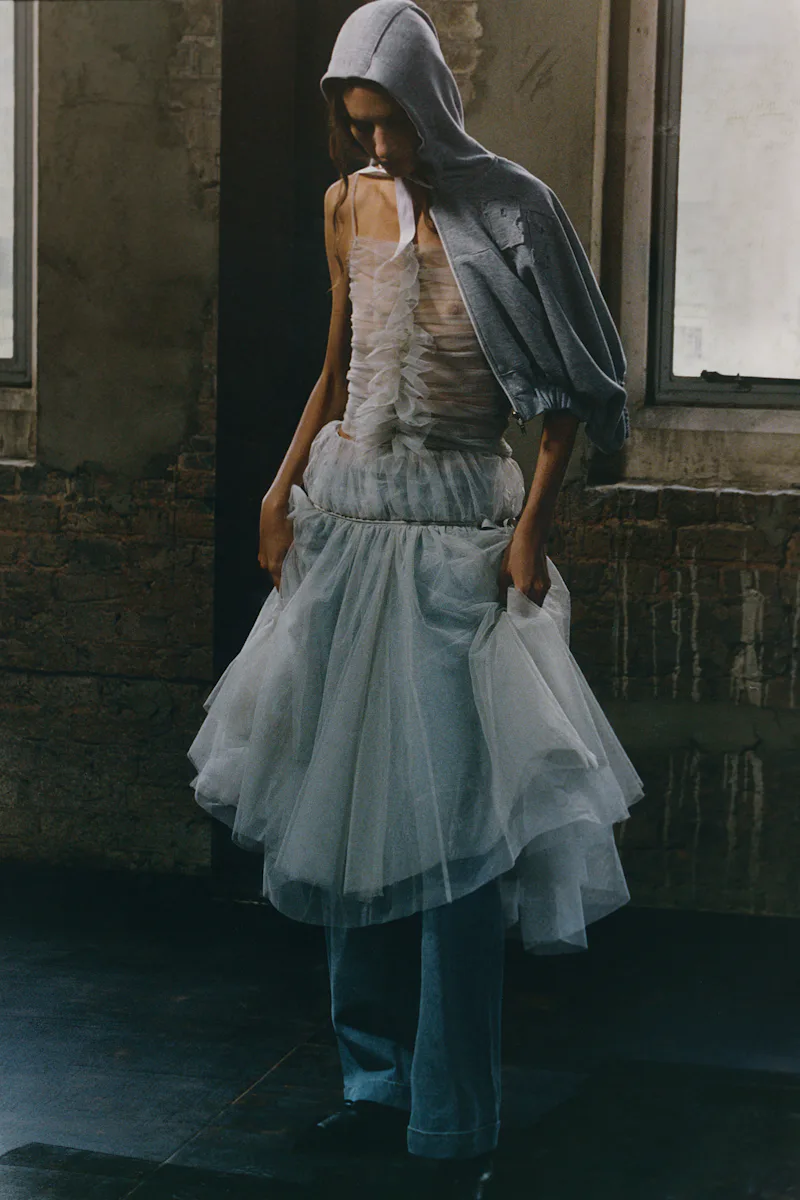
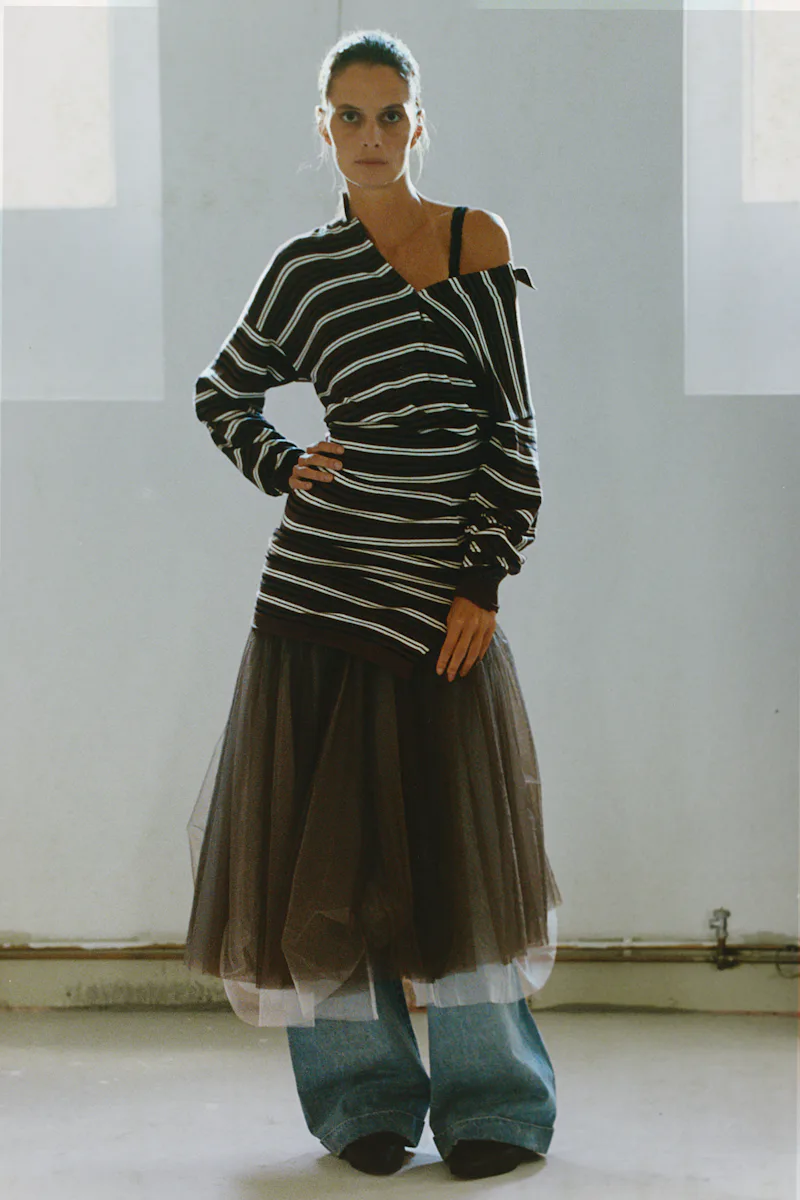

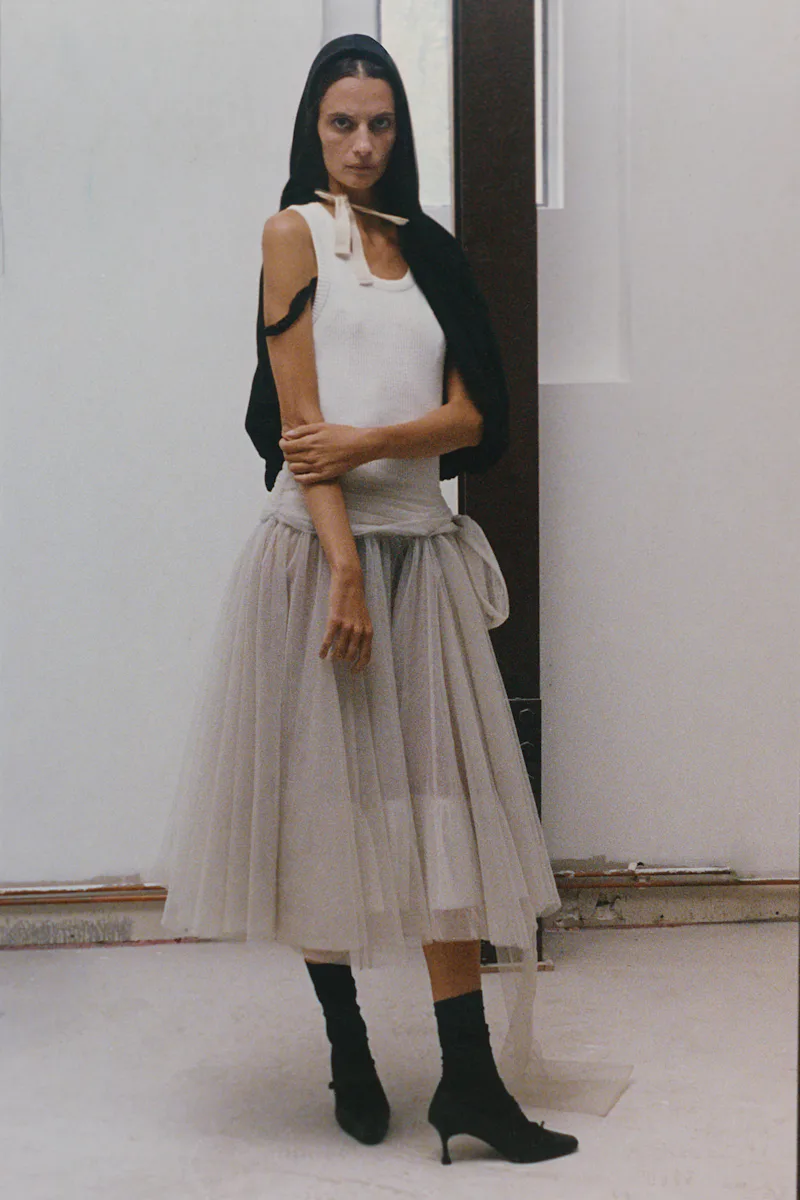

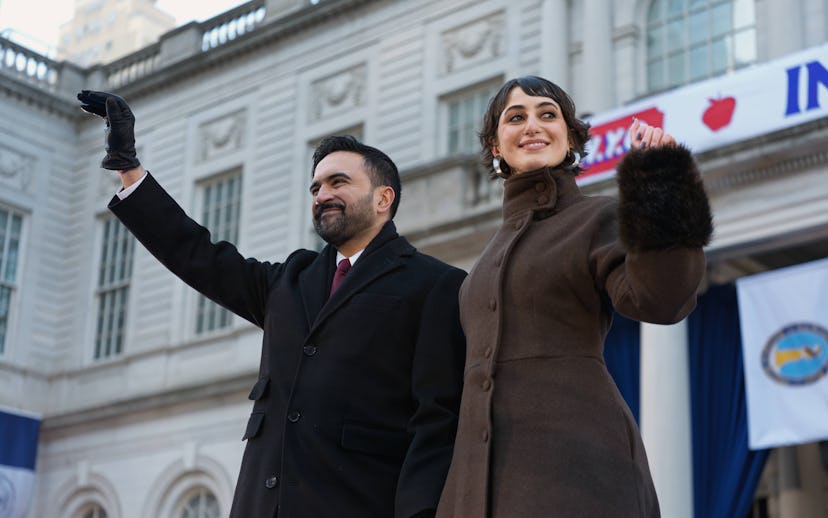
It takes a lot of grit to continue against the adversity and plain numbers stacked against women at the top of their game in fashion design, but the pain is worth the fight — especially when you find your tribe that resonates with your work. “When I'm thinking of the woman I'm designing for, she has some things from me, some things she maybe bought secondhand, or something handed down to her from her grandma. She's quite eclectic and free; she's not really into doing this full look.” Who better to encapsulate this than Rama Duwaji — the first lady of New York City and a Syrian artist who prides herself on creativity and championing marginalized voices — who chose a Renaissance Renaissance fur-trimmed brown coat for the inauguration of her husband, Mamdani, as mayor of New York City. It was a full-circle moment for the Beirut-and-Paris-based Merhej, who might well have someone like Duwaji in mind to wear her clothes.
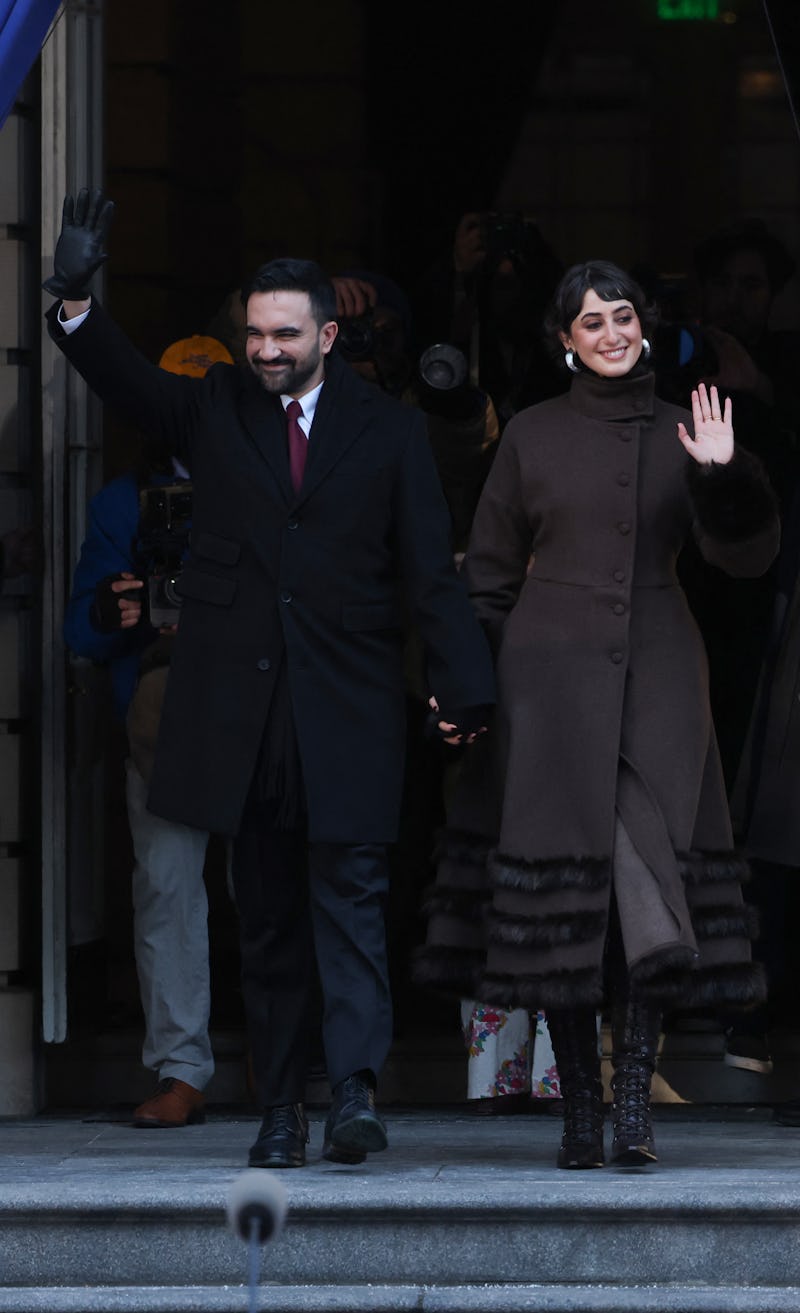
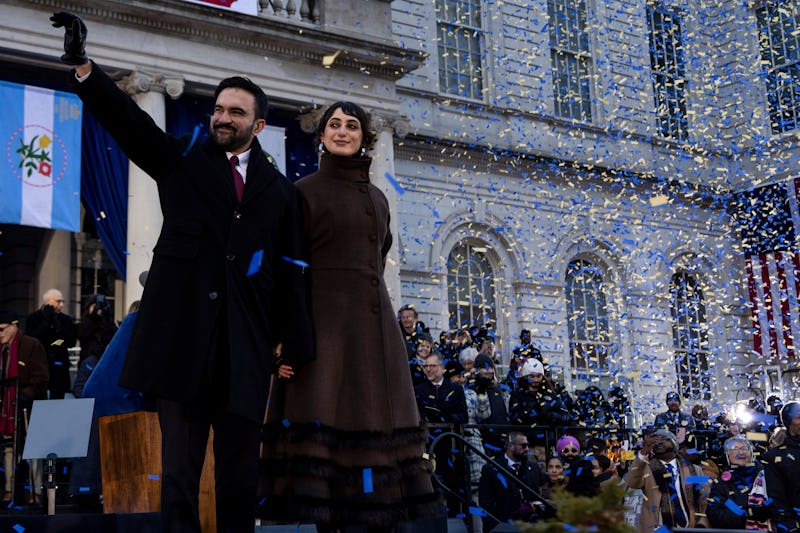
At the end of the day, male and female might not be the right lens to look at it. It’s more about who is looking after their client in the post-capitalist landscape of consumption and regressive politics. Designers male, female, and non-binary are seeking and finding customers who ask more of their fashion: not only what it looks like but where it came from, whose hands it passed through on its way to them, what materials were used, and what it says about their perspective on the world. “There's been huge progress in the last couple of decades, which is great, but maybe this woman exists more than we think,” Merhej says. “To me it feels like a niche, but maybe it's becoming more and more the norm. Like, ‘Hey, where the f*ck is the fashion for us?’”
