Music
Singer-Songwriter-Producer? The Next Wave of Female Musicians Take Control of the Mixers
A roundtable discussion with multi-hyphenates Tiffany Day, Empress Of, Coco & Clair Clair, and James K about creative control, collaboration, and not getting bogged down by genre labels.
When PinkPantheress won Producer of the Year at the BRITs this year, she made history: Pink — who has quietly reshaped the sound of pop with her signature feathery vocals and U.K. club beats she honed on TikTok — was the first woman to ever take the award home in the BRITs’ 49-year history.
For such an essential role, the “producer” title has long existed as a kind of invisible authority, often relegated to fine print in song credits and dimly lit studio corners — and usually occupied by men. But these days, barrier-breaking success stories abound in pop, from mainstream hitmakers like Elvira Anderfjärd and Luka Kloser, who co-wrote and co-produced all of Addison Rae’s debut album, to critical darlings like Oklou, whose 2025 album, choke enough, dominated year-end lists.
Part of the shift is structural: From YouTube tutorials to TikTok breakdowns, training in digital music production has never been more accessible or demystified. You don’t need to be invited into the room if you can build one yourself. But it’s also reflective of a cultural shift, as artists who may have once been relegated to being just “singers” or “songwriters” are taking the reins behind the boards as a claim to own their authorship and to assert creative control in an industry that has rarely offered it on equal terms.
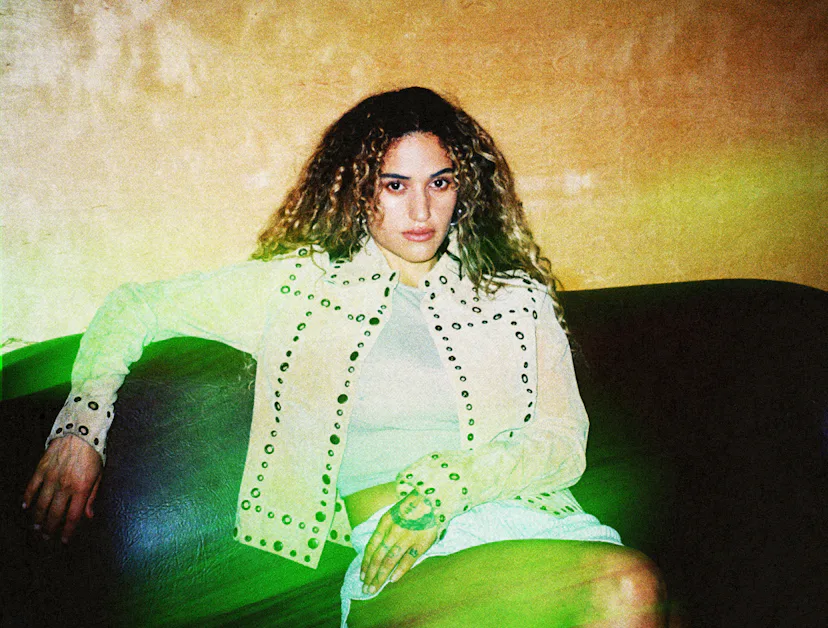
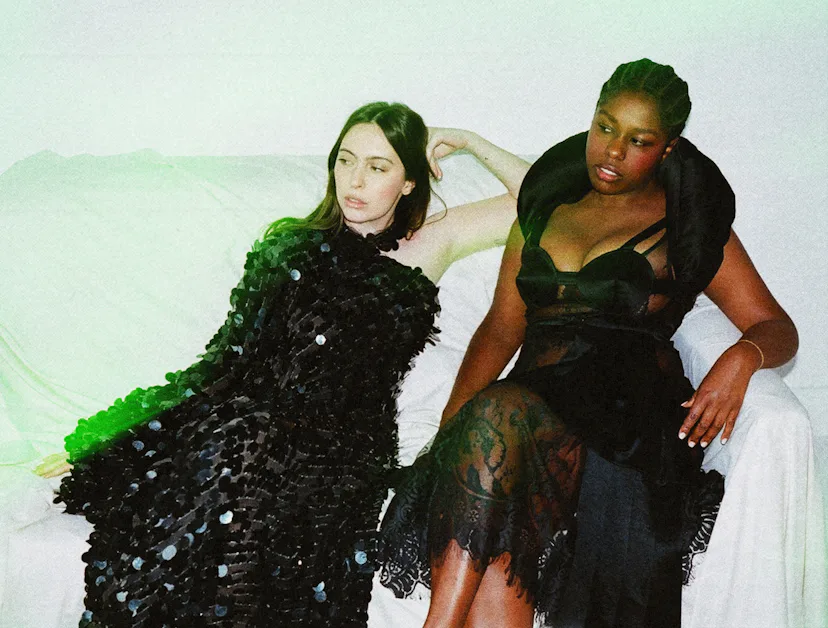
Over Zoom, NYLON convened a roundtable of four such acts: Tiffany Day, a Los Angeles-based pop producer and songwriter who just released her album Halo, showcasing a bold new hyperpop sound; Empress Of, the longtime alt-pop shapeshifter who is fresh off the release of new single “Dream House” and continues to push the boundaries of electronic-infused pop; Coco & Clair Clair, the indie-pop duo known for their lo-fi, internet-born sound, who are headed to Just Like Heaven this summer with new material in tow; and James K, who’s following critical acclaim for her 2025 album Friend with a remix project that will further expand her atmospheric sonic palette. Via a virtual roundtable, they reflect on what it means to not just perform music, but build it on their own terms.
Let’s start from the beginning: What was the first track you produced, and how did that happen?
Empress Of: I was probably 13, using our Skype microphone to record vocals, playing “Clair de lune” to write songs about my middle school boyfriend. My dad is a musician, but I didn’t ask my dad for help — I was just poking around, failing, and learning.
Tiffany Day: On GarageBand, when I was like 10. I’d drag in pre-made loops like I was making a movie. I didn’t know what I was doing, but it was fun. I even used an 808 as a synth and put a Childish Gambino vocal over it. I was so proud.
James K: I was writing songs on guitar around 13 or 14. A friend had a recording studio in his basement and just let me try everything. I remember realizing you can layer vocals and create depth — that was my first experience producing.
Coco: We made our first song together over a Reading Rainbow-type beat before going to a party, freestyled it, uploaded it to SoundCloud, and it got 300 plays — we were like, “Oh, we’re onto something.”
Clair Clair: We were using a Guitar Hero USB mic and literal kids’ toys. That’s how I learned looping. Very childish and extremely self-taught.

How did those early experiences shape the way you build songs now?
James K: I was in a lot of choirs growing up, that’s where the layering comes from. I definitely love reverb. I was probably pushing the reverb too much at first, but I love creating these ethereal spaces.
Clair Clair: We’re so freestyle-based. With that first song we made, I had gotten a text from an annoying person that we were hanging out with that night. We were just riffing on how we felt about that person and were like, “Wait, that’s hilarious. You should say that in the song.” And we still are like that today. It’s not that thought out — it just kind of happens.
What does a good collaboration with an artist look like in practice?
Tiffany Day: It’s about having a safe space to try things that might not work, even bad ideas. You need people who will keep it a buck but also support you. Without the people that I worked with on this last album, it wouldn’t have been a safe space to experiment and do things that felt riskier. I was able to be like, “Hey, this idea might be incredibly illegal, what I’m about to do to the track, but just bear with me.”
Empress Of: It’s an energy thing — we’re co-pilots. I don’t want someone to fly the plane for me. I have to chat, hear how their day is going, and get on a personal level because then you’re going to dive into the craziest theme for a song about heart-wrenching heartbreak or PTSD. When I walk in, I’m already turning knobs, making sounds. I’m very hands-on.
Clair Clair: We have our own language. We’ll say, “Remove that dingy noise,” and people are like, “What are you talking about?” But we know what that means. It’s easier to keep it between us or with friends who understand.
Empress Of: I have to ask: Do you guys feel like you have telepathy when you write music together?
Coco: I think we do.
Clair Clair: We’ll look at each other and just know, or say the same thing at the same time.
Coco: I’ll show her something and already know when she’s not into it. When I know it’s a weaker line but I’ll still show Clair, she’ll highlight it like, “Yeah, this one could be stronger.” And I wanted her to say that.
How do you know when a collab is a fit for you?
Empress Of: As I’ve gotten more experienced as an artist, I’ve realized I love care and feminine energy in the studio. There has to be an equal exchange, listening to each other. That’s how you know you’re good collaborators.
Tiffany Day: It's been really nice to work with a small circle of people that make me feel safe. Without that, I wouldn’t have been able to be as courageous in my decision-making and the songs wouldn’t have been the same. It’s great to be in the room with somebody else and bouncing ideas around because if I’m by myself too much, it can become an echo chamber.
James K: I actually worked with producers on this past record [Friends], which was a new experience for me. So for my remix album, I asked people I respect deeply, my friends. Having them even say yes was an honor. I was a little scared to have people jump in for some reason. Maybe I’m a little control freak about it. But I think there’s also something nice about being vulnerable, letting people take the works out of my hands and getting to hear what they did without having any part of it. The energy was right, and I trusted the people in the room, so it worked out really nicely.
How do you make sure your voice is heard in the studio?
Tiffany Day: Being a woman in this space that is quite male-dominated, there are moments where I get a little in my head because I’m like, “I don't know if they’re going to take me seriously,” but I’d rather say something than regret it. There’s a balance between trusting yourself and still listening when someone genuinely cares about the project.
Coco: We’re protective of what we do. It can be intimidating having a man in the studio like, “You don’t understand, we’re just two girls having fun!” So we don’t really let a lot of people in.
Empress Of: If someone expects me to sit on the back couch, that just doesn’t work… I need to be part of the process.
How do ideas actually come together?
Coco: We have tons of shared notes, whether it’s a joke one of us made or a sentence we heard or a shirt we saw. Then when it’s time, we pull from that.
Clair Clair: It’s almost like a math equation: a verse over here, choruses that don’t have a home, beats that don’t have a home. And things get made that I could have never thought of had I tried.
How do you balance making what you want vs. what people expect?
Empress Of: I try not to think about people listening. Once it’s out, it’s not yours anymore. This is the one time it’s mine.
James K: It’s a fool’s game to get into the loop [of labels]. I’ve gotten this tag of “trip pop” a lot recently, but the sound I’m making is all over the place constantly. I’ve even made a noise record, pretty hard and aggressive, I just never put it out. You can get stuck in a loop and then you’re kind of not living up to the idea of what people want from you, either. It doesn’t work for the listener or you.
Coco: Some of our biggest songs hit years later, so it’s like, just keep doing what you like. It’ll click eventually. With that potential in mind, it makes it more freeing and also possible for us to keep experimenting and pushing boundaries where we see fit.
Tiffany Day: My biggest streaming song — I actually hate it. I never want to repeat it. I actually came up in indie pop, but when I started to drop hyperpop singles, no one was biting. It was really frustrating to me because I felt happiest making the more electronic stuff. HALO was my first step into being like, “I don’t give a F.” I had to stop thinking about numbers for a second and just purely focus on what’s going to make me happy. It’s interesting because, like Coco said earlier, sometimes it just takes time for something to hit. I’d rather make what I love and trust that people will catch up.
How has the streaming era changed how you work?
Empress Of: I think about song length, like, “This is too long for a playlist.” But beyond that, I try not to think about it.
James K: I don’t use streaming. Music exists in another place for me. I have to keep it that way to keep it enjoyable.
What do you hope the future of production looks like?
Empress Of: Make more music with your friends — that’s where it starts.
Clair Clair: Work with people you’re comfortable with and not people you’re told to, or that you think you have to just because they’re the “hot new producer.”
James K: Holding each other up is really important. I know that working with my friends and finding a community who believe in me has enabled me to believe in myself and feel the confidence to keep producing. And I’m going to put out that noise record, I’ve decided.
Tiffany Day: I would just hope that there's just more representation. More women producing, period.
