Fashion
Fashion Month’s Main Takeaway: Dress Smarter, Not Harder
The season’s best shows were slimmed down, literally and figuratively.
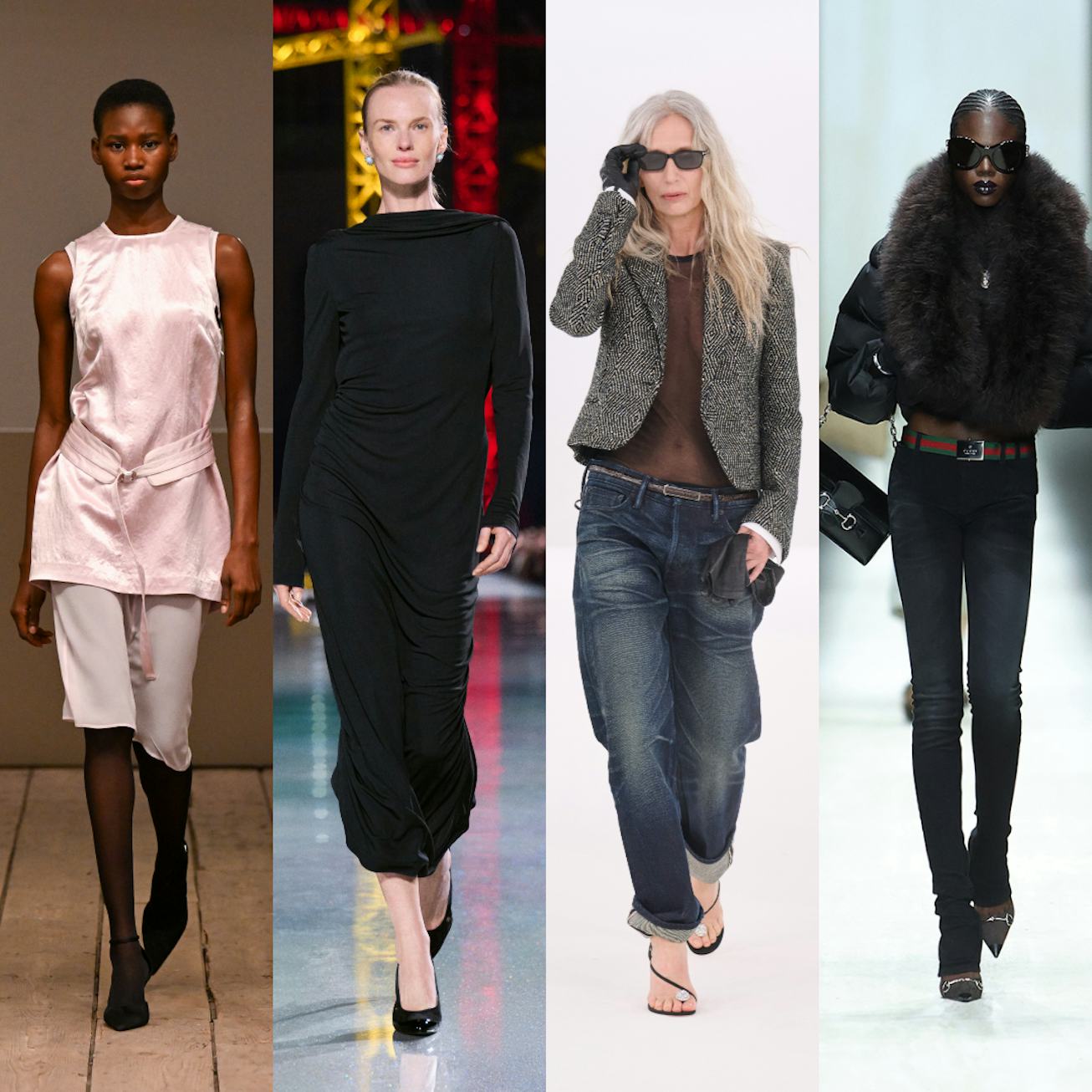
At long last, what has felt like a never-ending Fashion Month has come to a close. (We’re headed to one more off-schedule show, but we have to draw a beginning and end somewhere.) The Fall/Winter 2026 season brought debuts, sophomore collections, anniversaries, and departures, but looking back, the most exciting runways aren’t the ones that gagged with an A-lister in the lineup or a six-figure set installation. The most effective shows slimmed down the silhouette and worked for the customer, not the other way around.
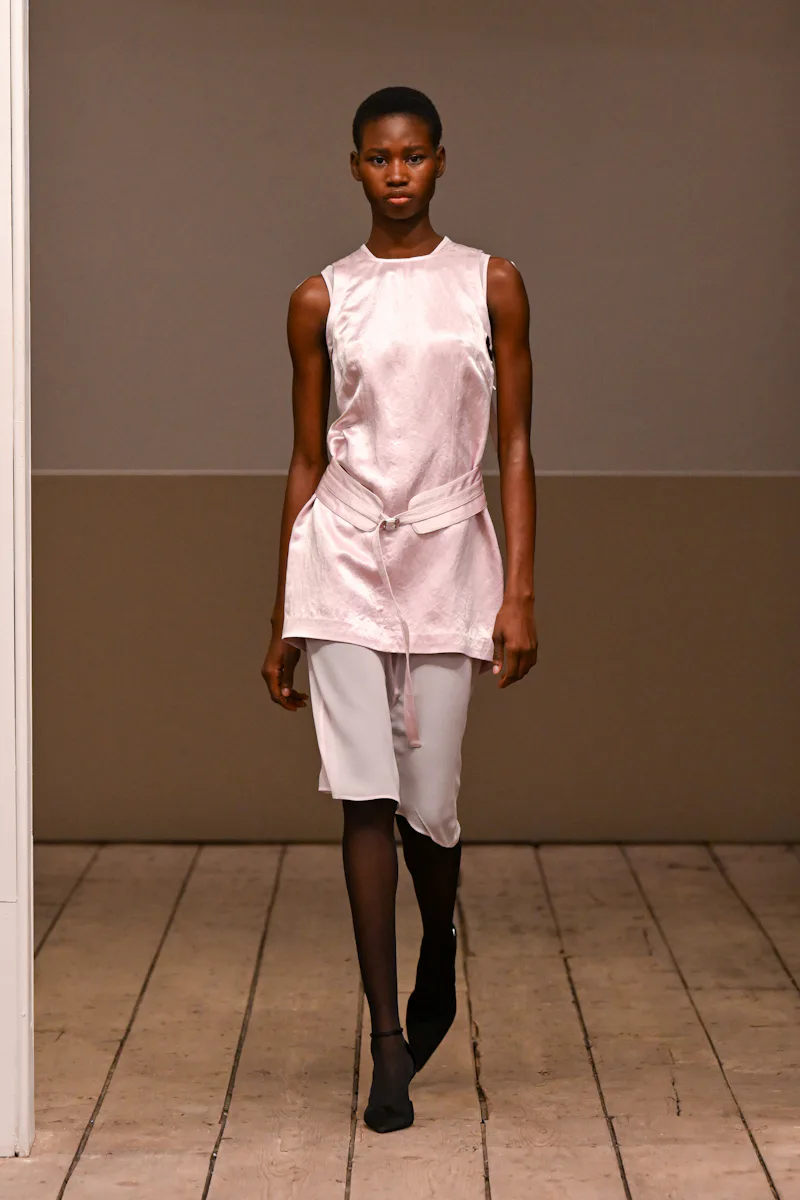
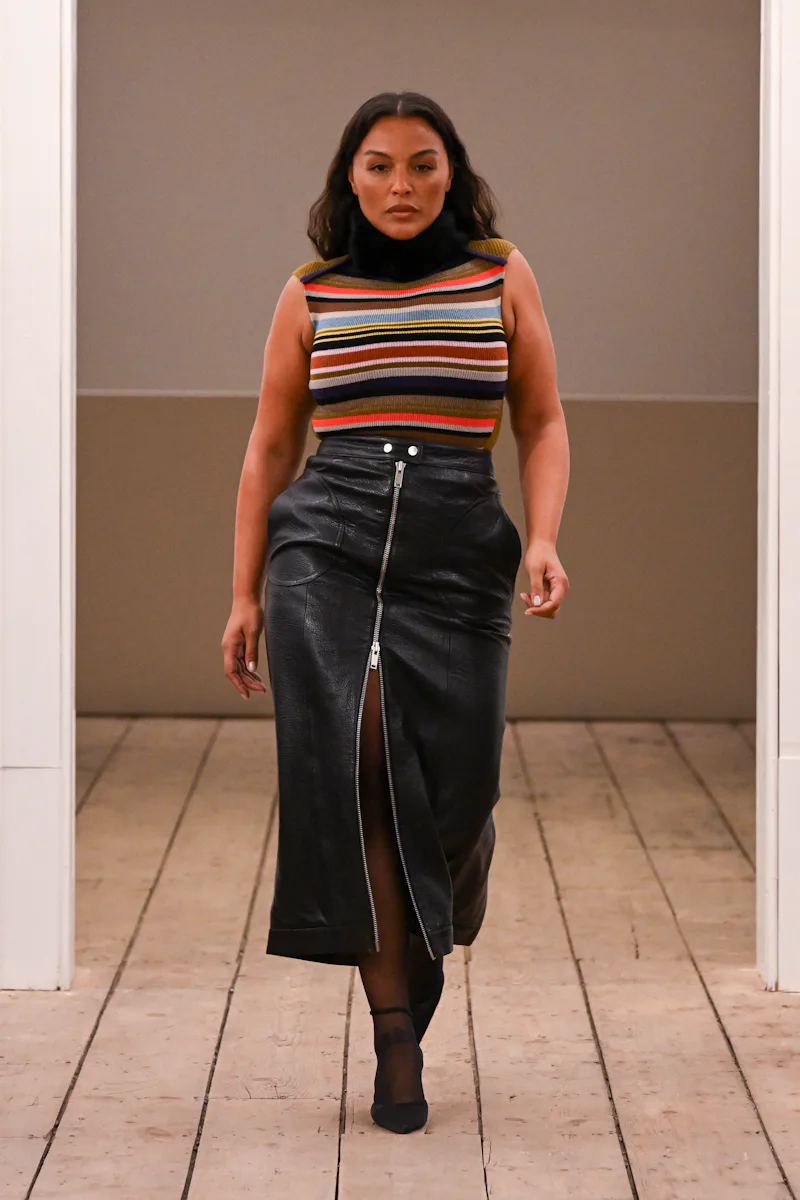
The slimming of the “look” has been happening for some time. Chalk it up to Ozempic, sure, but fashion exists on a pendulum, and the oversize look has been around for just a little too long, which made the more narrow-fit shows hit harder. The concision started in New York, where ’90s classics got workwear and kink updates at Eckhaus Latta. A tight 30-look show hammered home a leaner look with leather pencil skirts and slinky satin tops. At Prada — the show that often kicks off the trends of the season — it was an exercise in reduction as 15 models walked four times, taking off a layer each time to reveal not only the mutability of the designs but how people actually dress, undress, and rewear clothes every day.
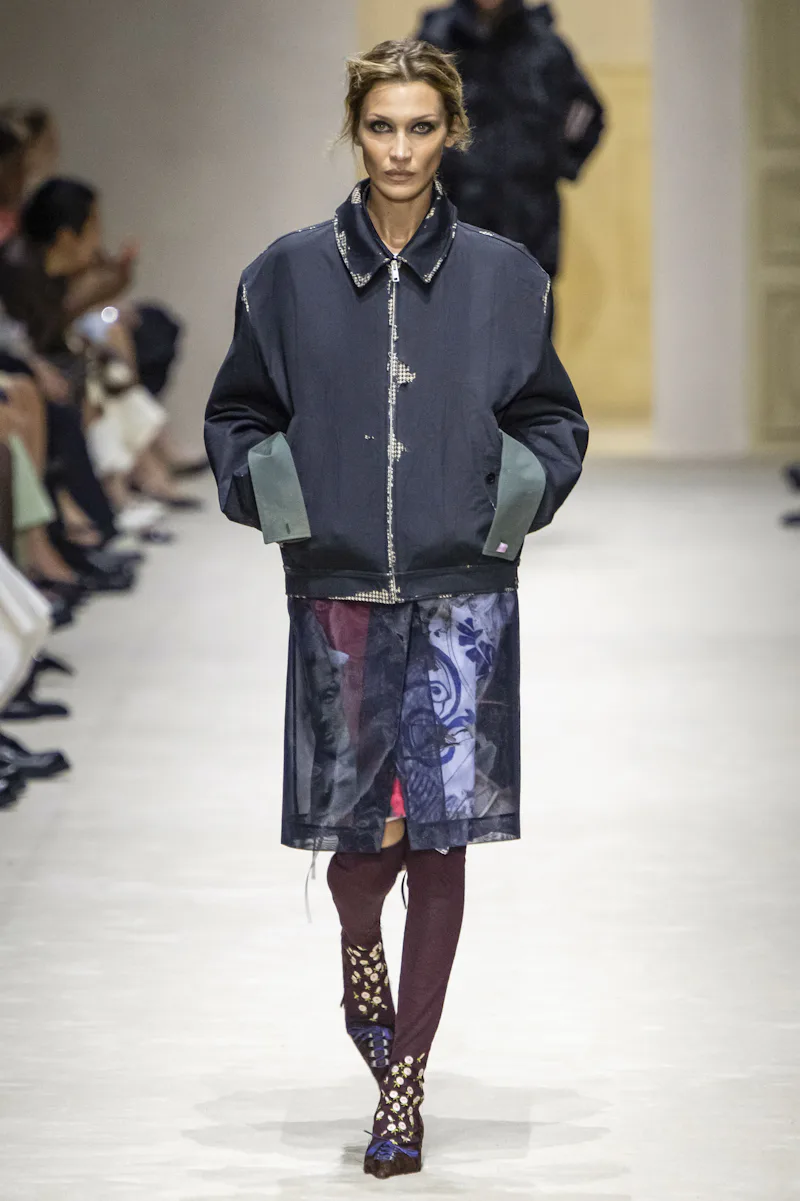
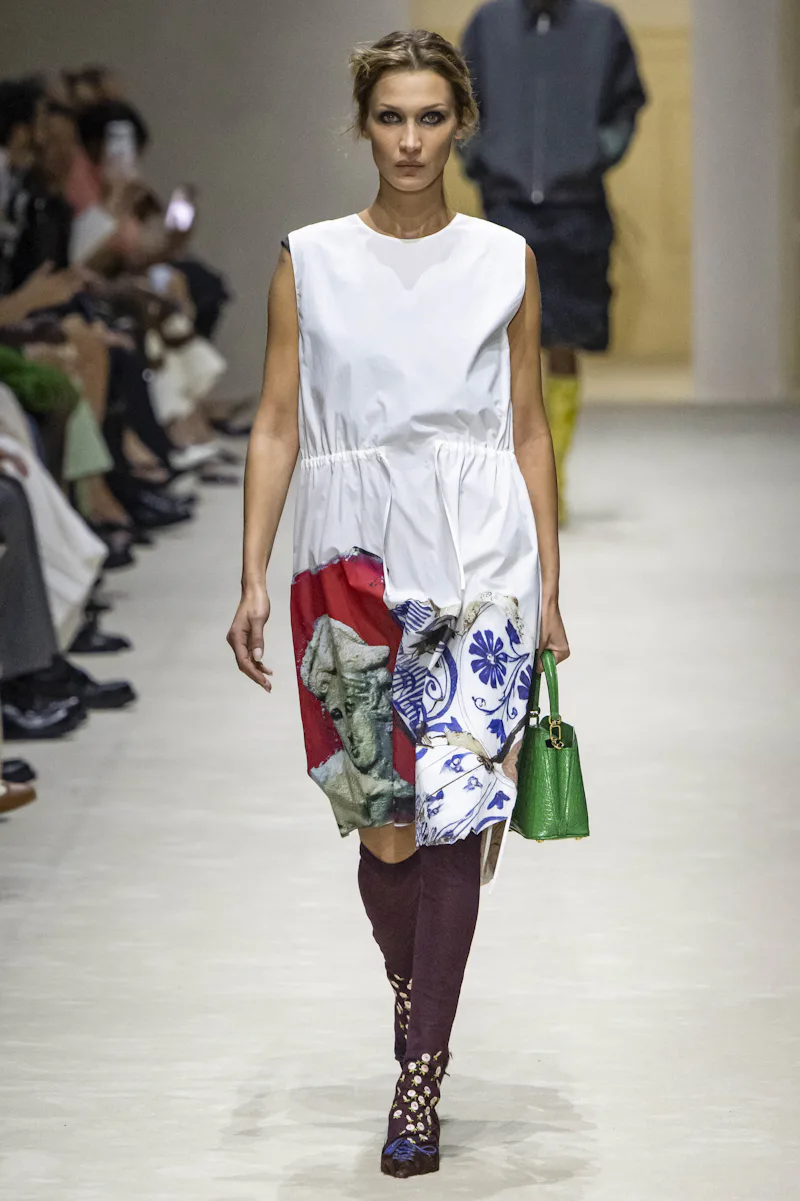
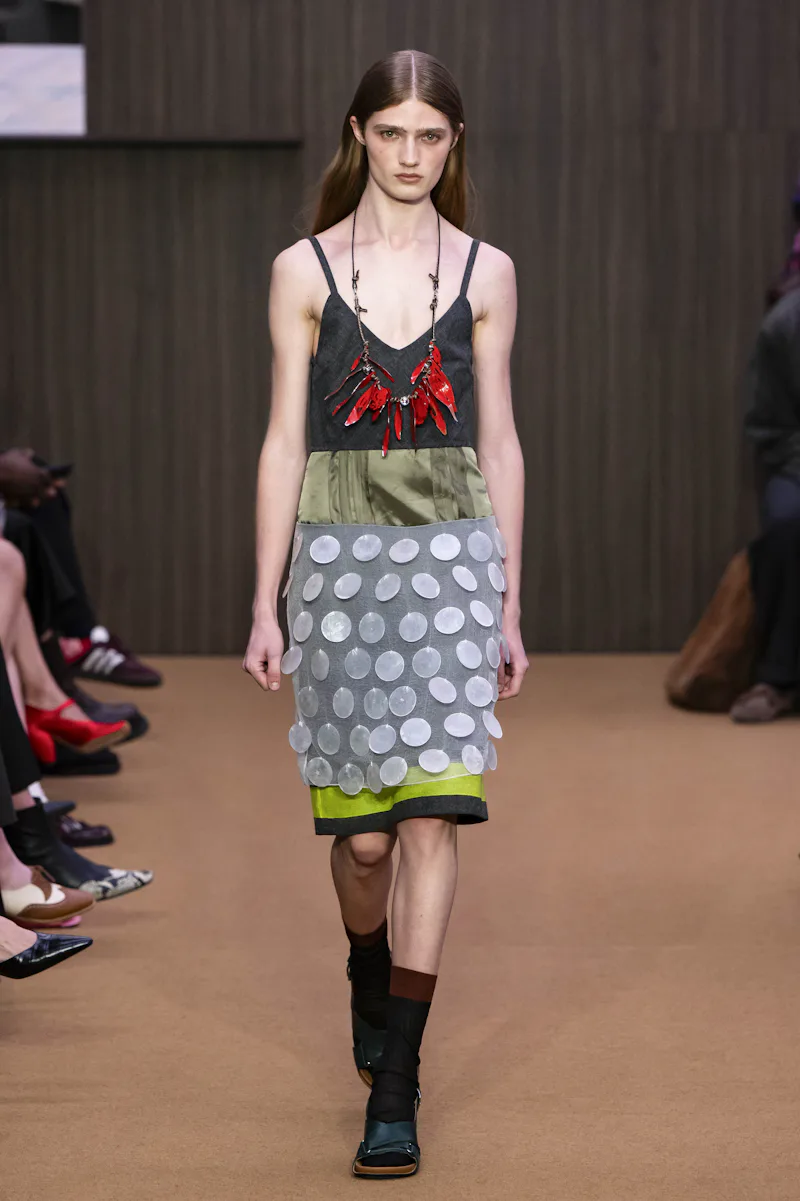
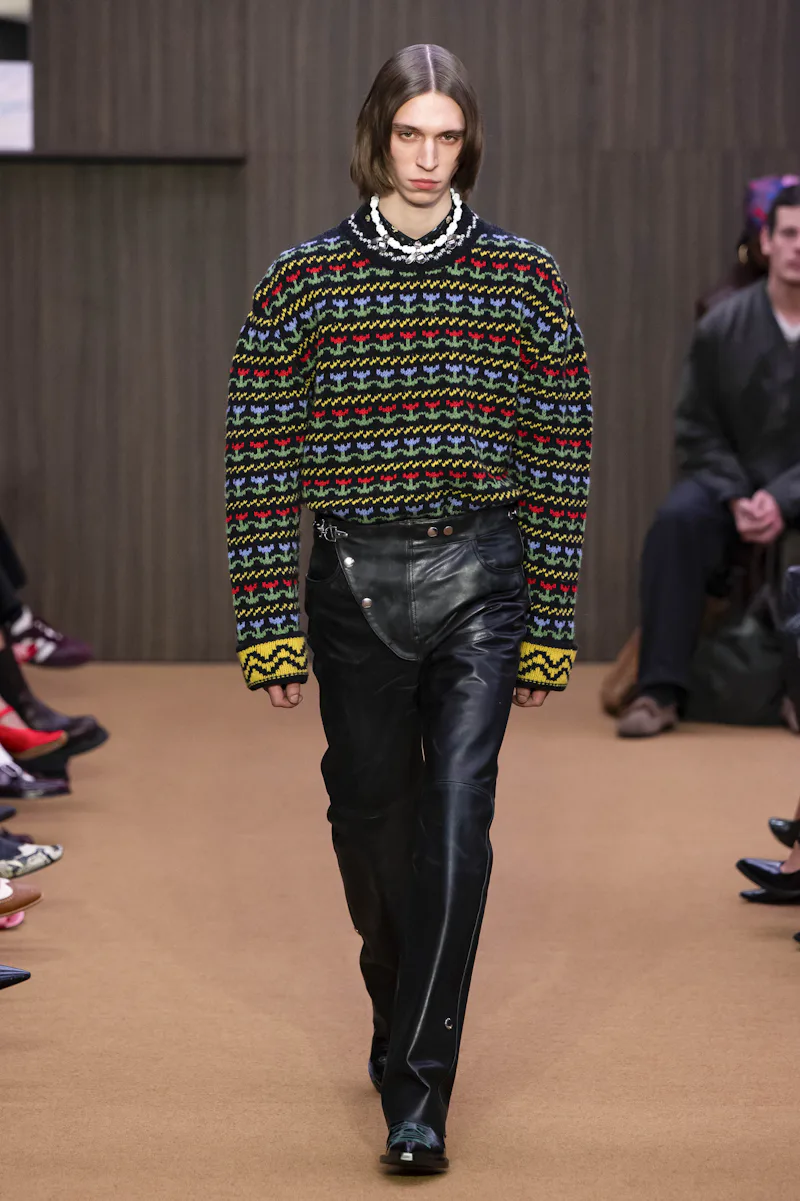
From there, anything extravagant, wide-shouldered, or heavily embellished felt unnecessary and even disingenuous for moving through the times we live in. Gucci’s irony-laden show held up a mirror to how people actually wear Gucci from South Beach to Milan and back. Models’ biceps bulged out of faux-leather shirts, Nettspend wore a crossbody bag and sneakers, and the ladies of the runway wore skimpy dresses and not much else (besides instantly covetable bags). Meryll Rogge’s debut Marni runway did away with the craftiness of her predecessor’s collections and provided a slate of refreshingly Old-Marni-coded clothes that felt like straight line to a quirky future that doesn’t rely on bells and whistles.
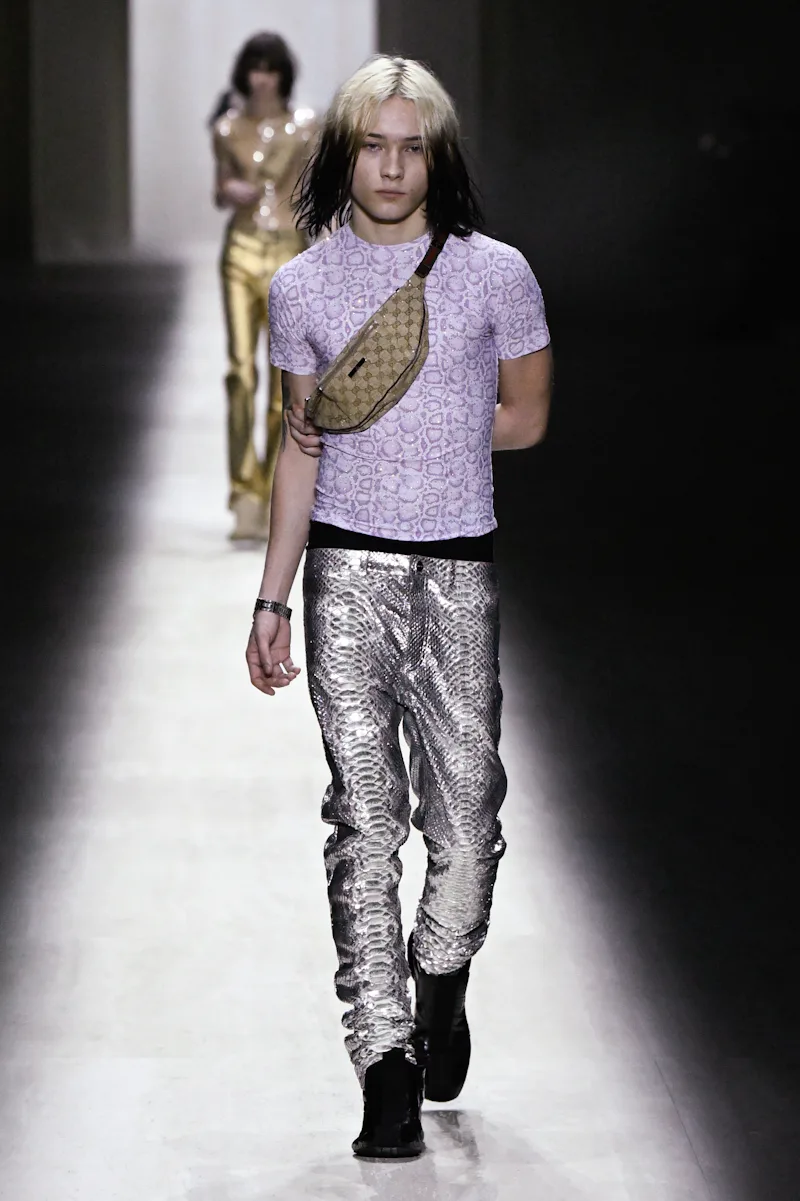
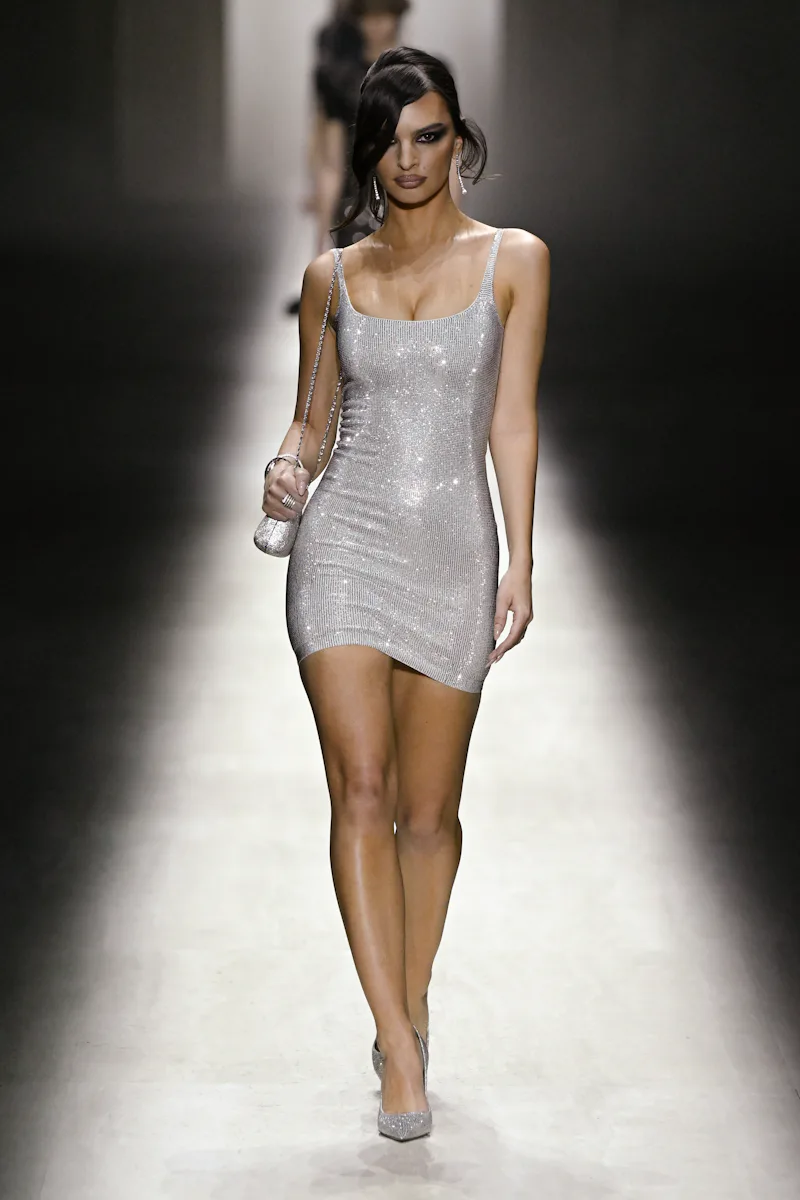
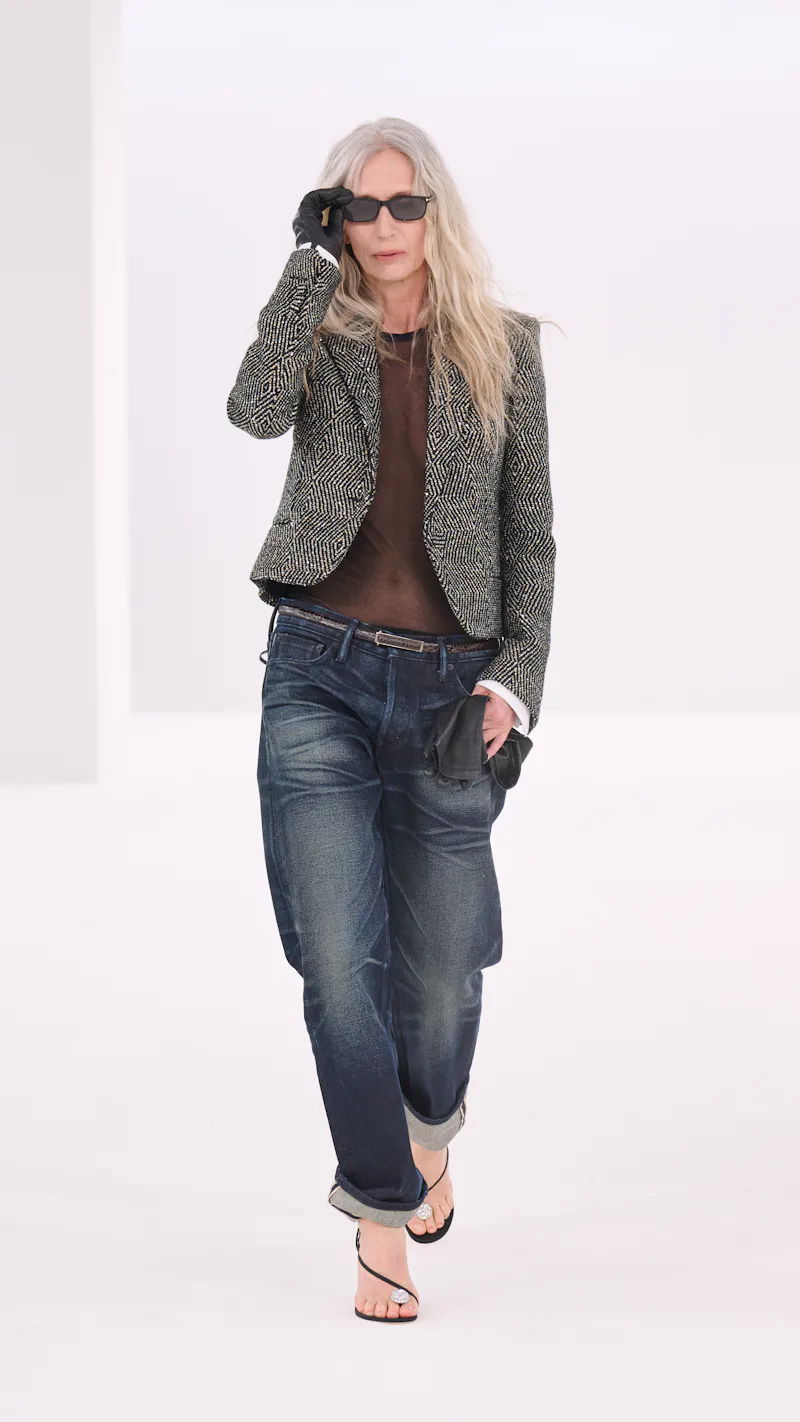
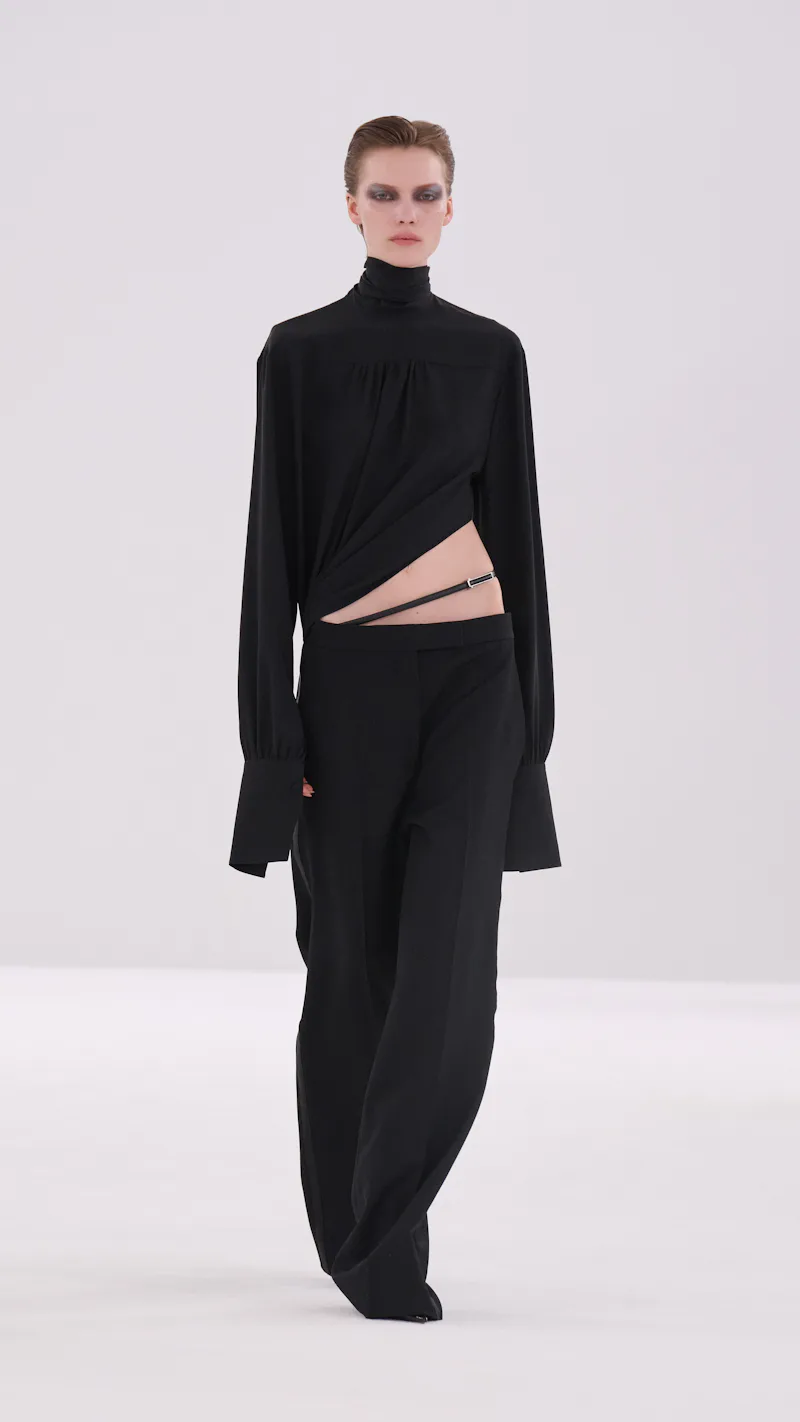
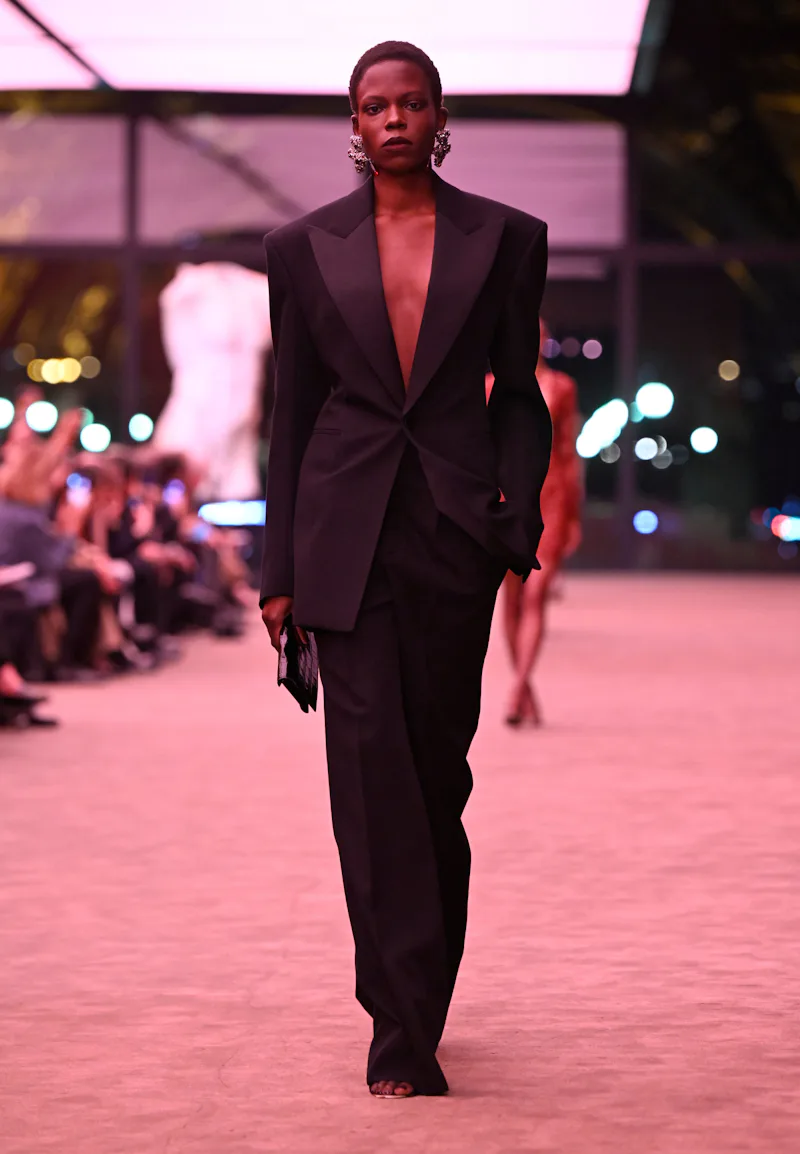
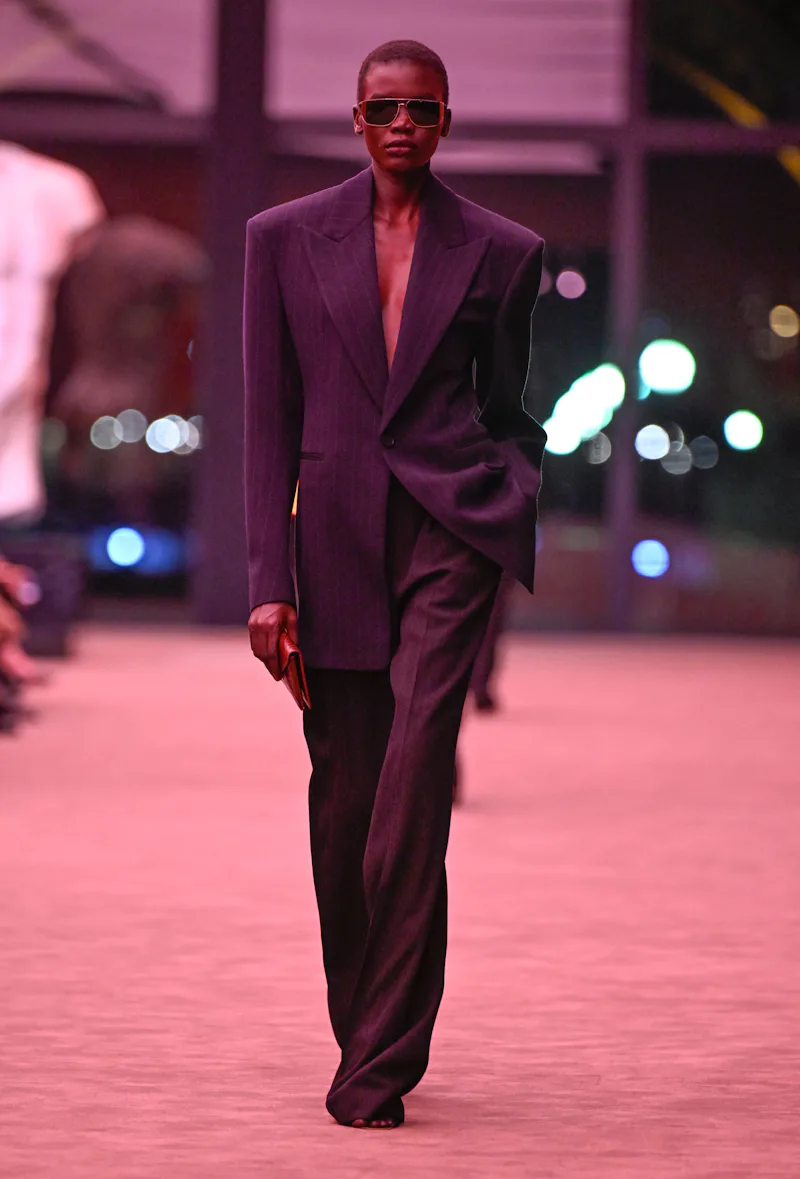
If Milan stripped away excess, Paris nailed the hammer on the head 10 times over. Anthony Vaccarello of Saint Laurent loves to repeat silhouettes at his shows, and not only did he bring back the smoking suit, he nipped it in further at the waist and showed it about a dozen different ways (pinstripe, gray, all black). At Tom Ford, the show of the season, Haider Ackermann did away with dimly lit sets and jersey dresses that reveal models’ hip bones and showed capital-C clothes on muses of all ages. It was less “imagine yourself in a darkroom with this skinny girl” and more “here are the best possible leather jacket, suit, and tie you should buy.” It was the first Tom Ford show in forever I actually saw myself in, while still remaining sumptuous and desirable. Relatability isn’t something to shy away from all the time, especially when margins are slimming and luxury fashion is harder and harder to sell.
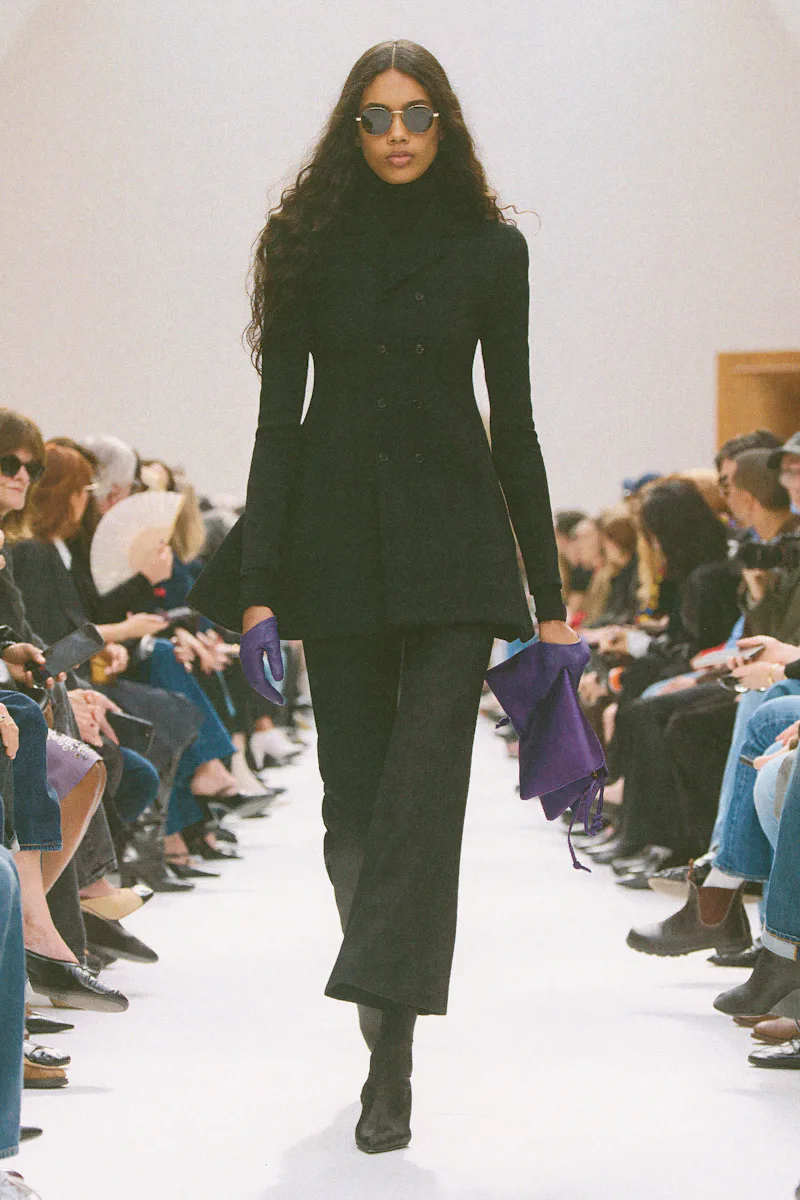
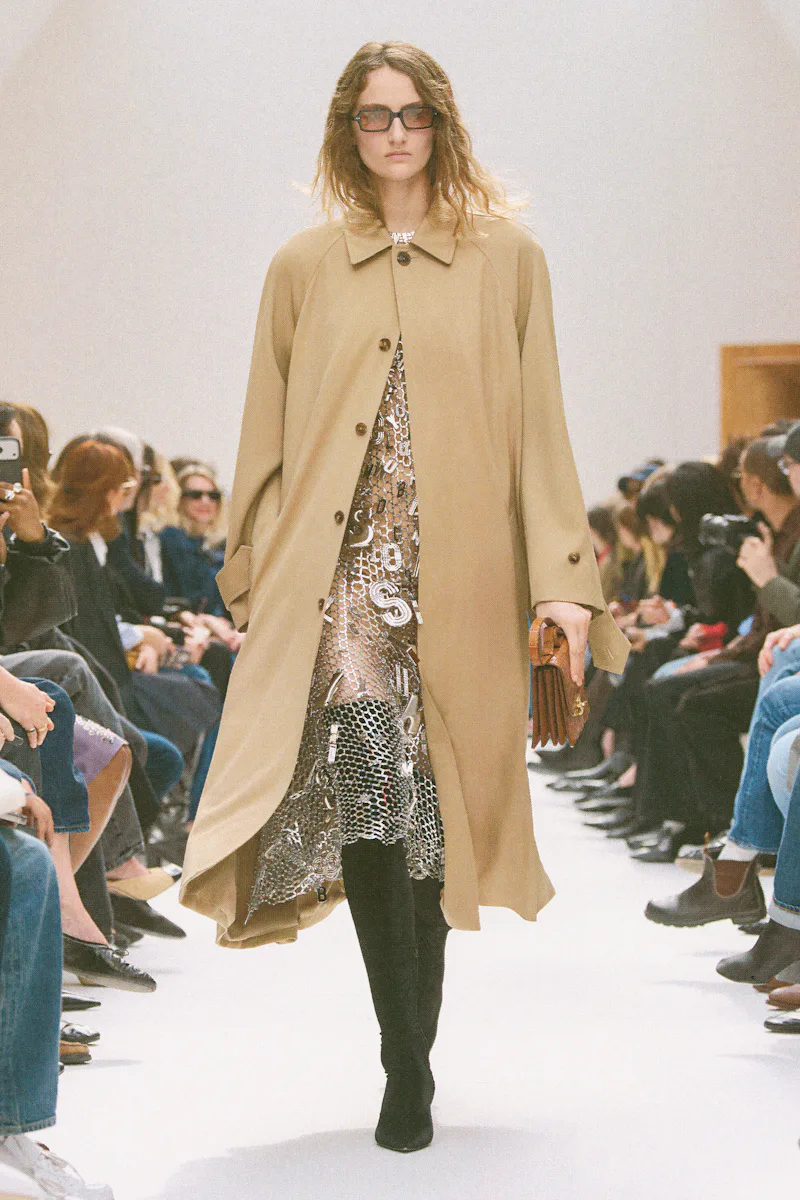
Michael Rider at Celine made relatability and “play it your way” the theme of the show, which had fashion editors and armchair Instagram critics alike in a frenzy for its quirkiness. It was full of streamlined workwear pieces like slim-cut pants with a flare (another trend) and no-nonsense trench coats, but spiced up with a charm necklace here and an off-kilter hat there. Having those bones with options to make it your own felt like a reset on the challenge of getting dressed. What if it was just about the dress, the coat, and not endless options in either direction? Pieter Mulier’s final Alaïa collection drove this message home; he got rid of all the frou-frou — no condom-esque Dune tops here — and demonstrated why he got the gig in the first place. It was all killer, no filler, and again echoed how clients might actually wear a $4,000 dress on the streets.
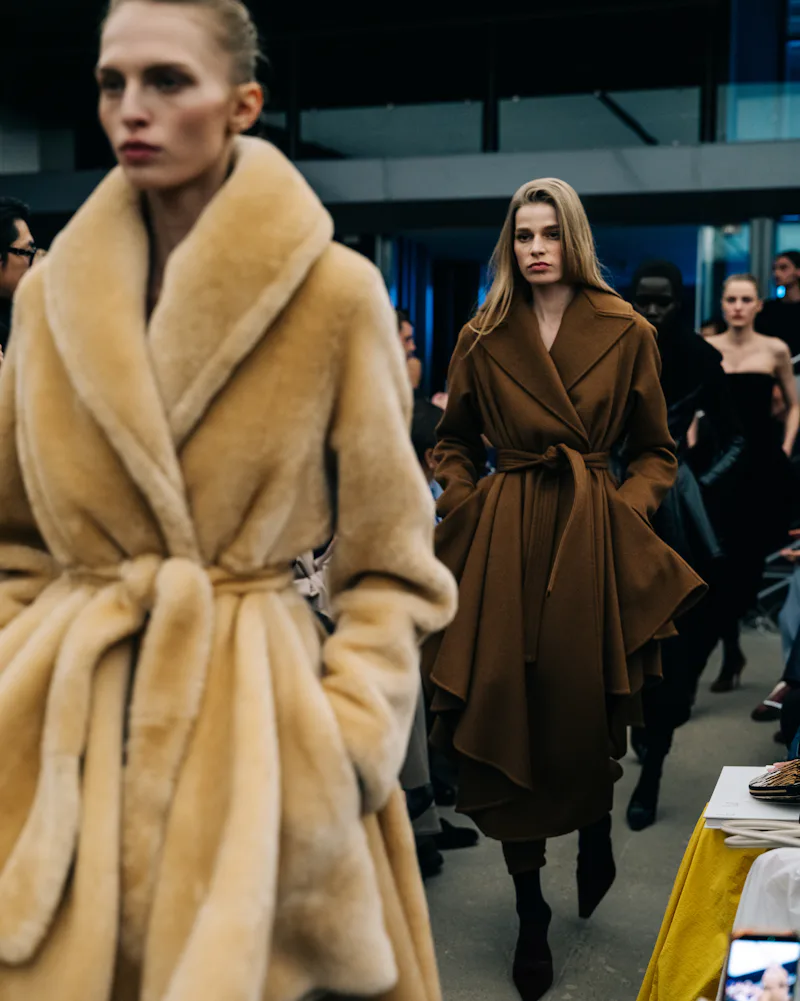
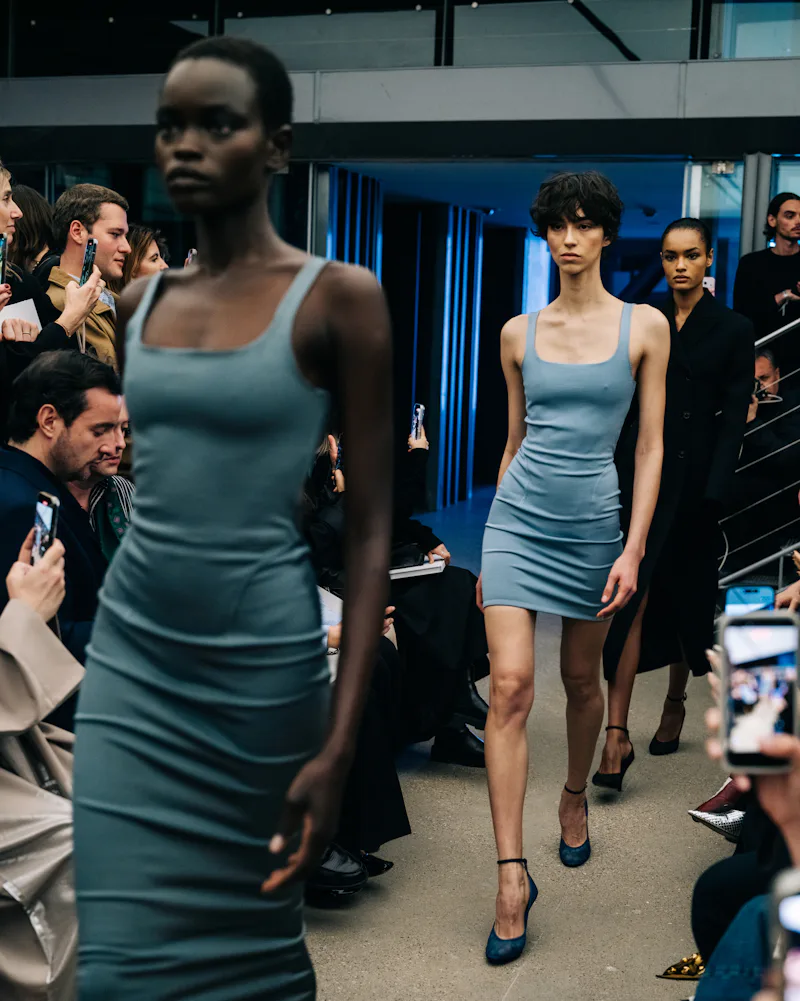
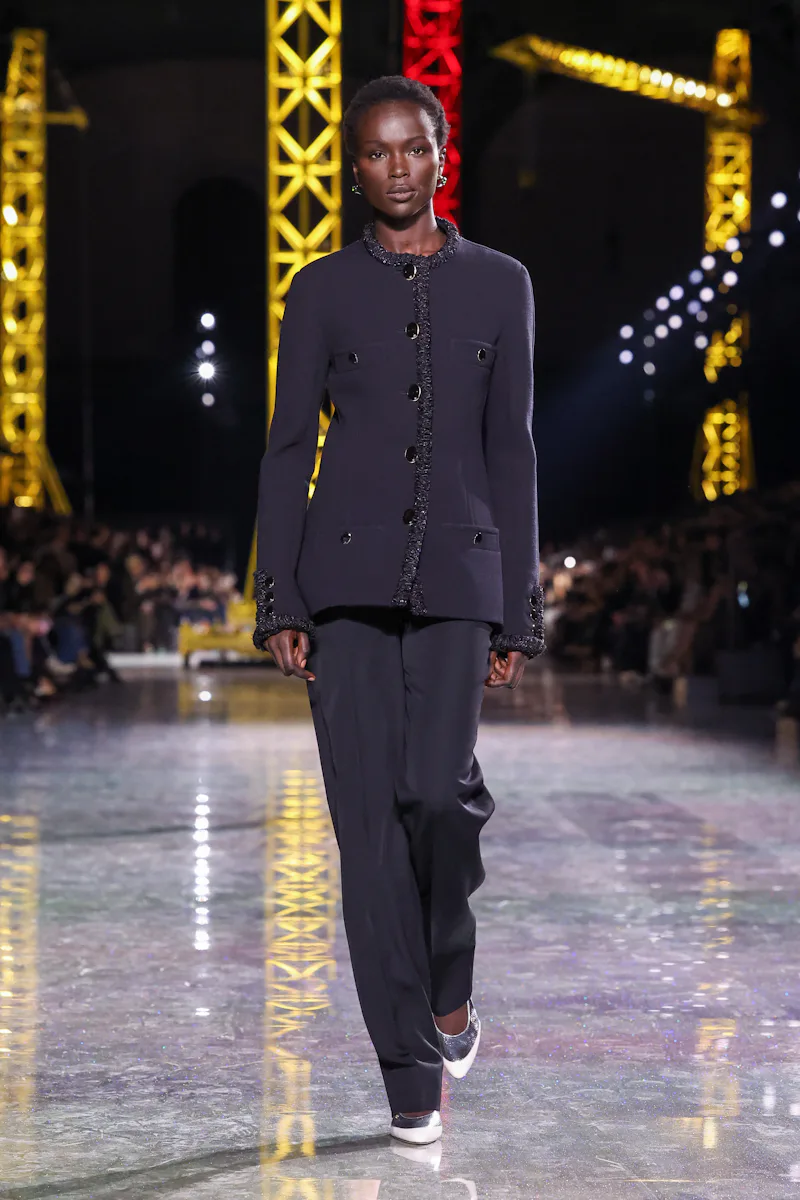
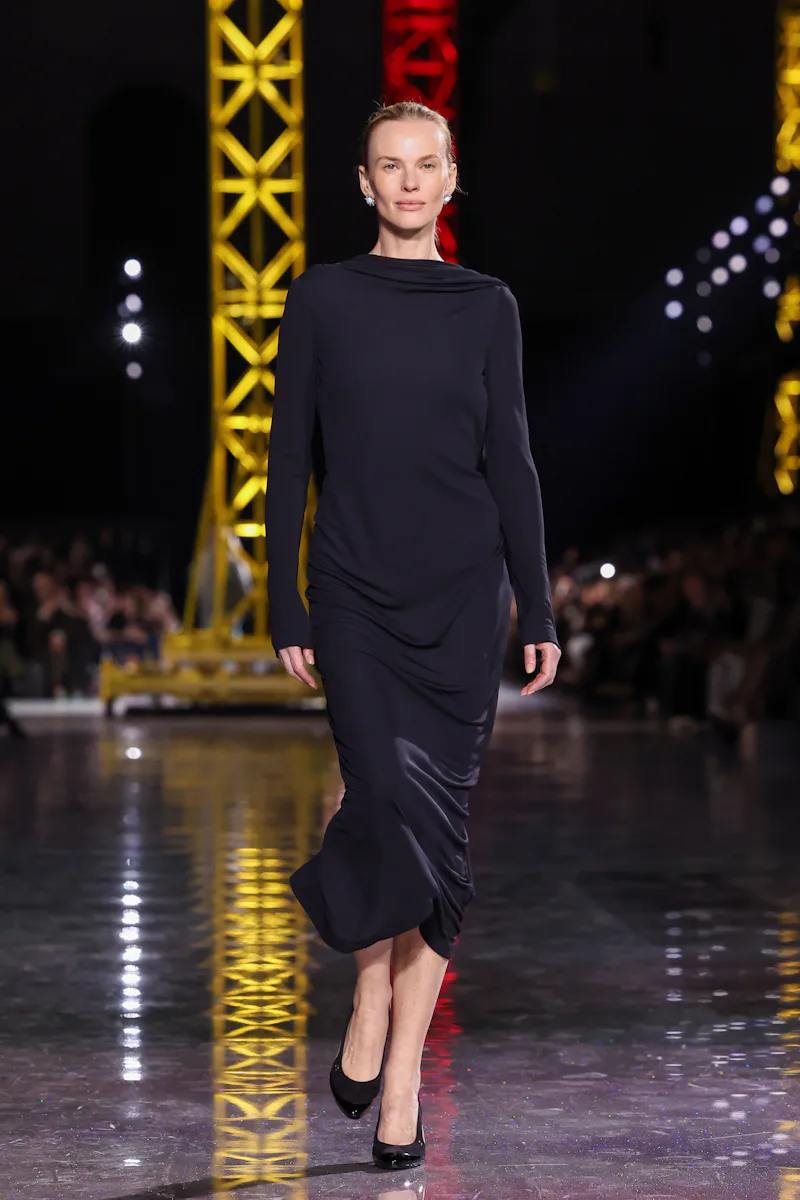
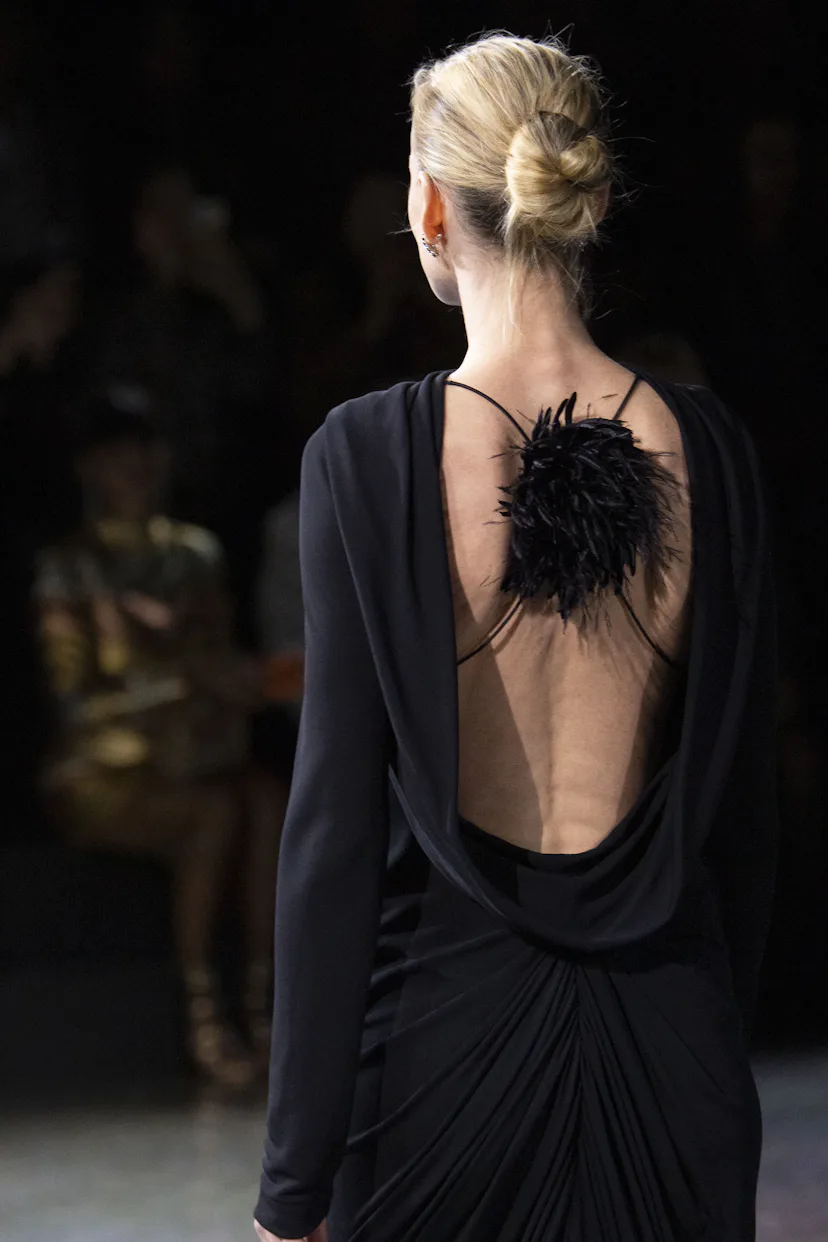
Nobody understands the modern woman quite like Matthieu Blazy at Chanel, who must be getting the best sleep of his life. Not only is his debut Spring/Summer 2026 collection sending editors and buyers into a shopping frenzy, but his Fall/Winter 2026 show was a must-see. With a set of technicolor cranes, it was clear he was building up a look with layers, iridescence, craft, and luxury. The final two looks, however, were a study in the season’s message and proof he gets the moment. A slim black pantsuit was followed by a ravishing draped black jersey dress with a camellia hanging on the model’s bare back. From the front, it’s pure minimalism, but when you walk away, the feathered flower does all the talking. As Blazy put it via news release: “Chanel is sensible, Chanel is seductive. Chanel is day, Chanel is night. It represents the freedom to choose between the caterpillar and the butterfly whenever you want.” The best collections this season were caterpillar-first, allowing customers to build up their cocoon to take on life and be butterflies of a more subtle — and ultimately more personal — variety.